
When you start an antidepressant, a medication used to treat depression, anxiety, and some chronic pain conditions. Also known as antidepressive drugs, these medications work by changing brain chemicals like serotonin and norepinephrine to improve mood. But while they help millions, they don’t come without trade-offs. Side effects are common—some mild, some serious—and knowing what to watch for can make all the difference in sticking with treatment.
Not all antidepressants are the same. SSRIs, a class of antidepressants that increase serotonin levels, including drugs like sertraline and fluoxetine are often first-line because they’re generally safer than older types. But even SSRIs can cause nausea, insomnia, sexual dysfunction, or weight gain. Tricyclic antidepressants, older medications like imipramine and amitriptyline, often used when SSRIs don’t work tend to cause more dry mouth, dizziness, and blurred vision. And then there’s the rare but dangerous serotonin syndrome, a life-threatening reaction caused by too much serotonin in the brain, often from mixing meds. It’s not common, but if you get confusion, rapid heart rate, or muscle stiffness within days of starting or changing a dose, get help immediately.
Many people quit antidepressants because of side effects—not because they didn’t work, but because they didn’t know what was normal. Weight gain? Common with some meds. Sleepiness? Often temporary. But if your side effects feel unbearable, talk to your doctor. There’s a good chance another drug in the same class or a different one might suit you better. You’re not failing. You’re just finding the right fit.
The posts below cover real-world experiences and clinical insights on how these drugs affect people. You’ll find comparisons between meds like Anafranil and SSRIs, what to expect with imipramine, how to handle drug interactions, and how inactive ingredients in generics can trigger unexpected reactions. This isn’t just a list of risks—it’s a guide to navigating them wisely.
Psychiatric polypharmacy-taking multiple mental health medications at once-is common but often unsupported by evidence. Learn why it happens, the risks involved, and how to safely reduce unnecessary drugs without losing stability.

Expert guide on monitoring QT prolongation risks when using fluoroquinolones and macrolides. Learn about risk hierarchies, the Fridericia Formula, and ECG protocols.
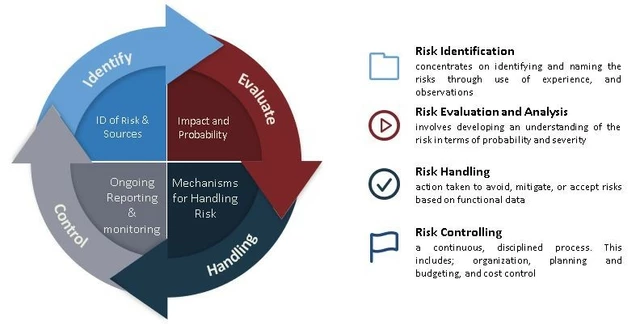
I recently delved into the side effects of gemfibrozil, a medication used to lower lipid levels in the body. Some common side effects include stomach pain, diarrhea, and headaches. While most of these are mild and temporary, it's important to consult with your doctor if they persist. In my research, I discovered that maintaining a healthy lifestyle and diet can help alleviate some of these side effects. I'll be sharing some tips on how to manage these side effects and maintain a balanced life while taking gemfibrozil.

Learn how to safely buy cheap generic lisinopril online in 2025. Get price comparisons, trusted pharmacy tips, ordering steps, and FAQs to keep your heart health affordable.
Grapefruit can dangerously raise statin levels in your blood, increasing the risk of muscle damage. Learn which statins are risky, how much grapefruit is safe, and what to do if you love citrus but need to lower cholesterol.

Anaphylaxis is a life-threatening allergic reaction that requires immediate epinephrine. Learn the warning signs, how to use an auto-injector correctly, why antihistamines won’t save you, and what to do after the shot.