
When you have angiodysplasia, a condition where abnormal blood vessels form in the digestive tract. Also known as arteriovenous malformations, it’s one of the most common causes of unexplained gastrointestinal bleeding in older adults. These tiny, twisted vessels are fragile—they don’t bleed all the time, but when they do, the blood loss can sneak up on you. Many people only find out they have it after they start feeling tired, dizzy, or short of breath. That’s often because angiodysplasia causes slow, chronic bleeding that leads to iron deficiency, a condition where your body lacks enough iron to make healthy red blood cells. It’s not dramatic like a stomach ulcer bleeding out, but it’s persistent. And over time, it can leave you with anemia that won’t fix itself with diet alone.
Doctors usually find angiodysplasia during an endoscopy, a procedure using a thin, lighted tube to look inside the digestive tract. It shows up as red, spider-like spots, mostly in the colon or small intestine. But here’s the catch: it’s often missed. If you’re over 60 and have unexplained anemia, especially with no signs of colon cancer or polyps, angiodysplasia should be on the list. Treatment isn’t always needed if bleeding is rare. But if it’s happening often, you might need a procedure to seal off the vessels—like cauterizing them with heat or laser. Sometimes, medications like anticoagulants, blood thinners used to prevent clots. make things worse. If you’re on warfarin, apixaban, or rivaroxaban for atrial fibrillation or a past clot, your doctor needs to weigh the risks. Stopping them isn’t always safe either. It’s a balancing act.
You’ll also hear about iron supplements, but they’re not a cure. They just patch the leak. If you’re taking them and still feel exhausted, your body might be losing iron faster than you can replace it. That’s when you need to look deeper. The posts below cover real-world advice: how to talk to your pharmacist about drug interactions, why some meds make bleeding worse, how to track your iron levels, and what alternatives exist when standard treatments don’t work. You’ll find guides on managing side effects, understanding lab results, and avoiding pitfalls with common prescriptions. This isn’t theoretical. These are the tools people use every day to stay out of the hospital.

Lower GI bleeding is often caused by diverticula or angiodysplasia, especially in older adults. Learn how doctors diagnose and treat these common but different conditions, and why early intervention matters.
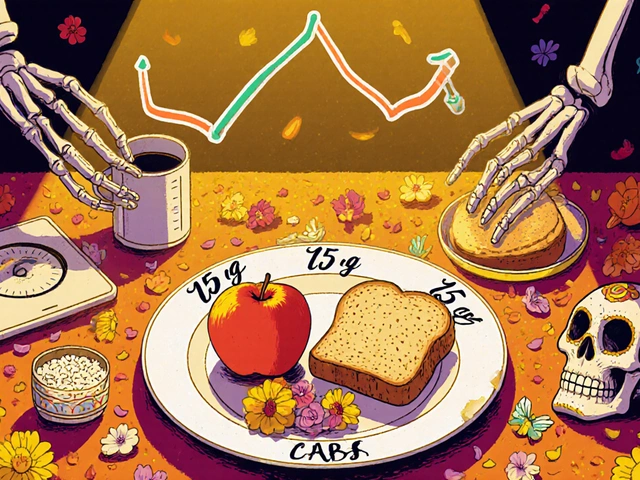
Learn how to count carbohydrates for diabetes management with this beginner-friendly guide. Understand carb servings, insulin ratios, reading labels, and avoiding common mistakes to take control of your blood sugar.
Generic substitution in workers' compensation saves billions by replacing brand-name drugs with equally effective generics. Learn how it works, when it’s required, and what injured workers should know.
Digital tools can help you avoid dangerous interactions between generic drugs, but not all apps are equal. Learn which ones actually work, what they miss, and how to stay safe when buying meds online.

Abdominal distension can turn a great day into a disaster, but probiotics might just be the underrated tool your gut needs. This article dives into how probiotics can actually help reduce bloating and swelling by changing your gut’s bacterial landscape. I'll explore specific strains, explain what real evidence says, and unpack simple habits to keep your digestion happy. You'll learn who benefits most, what mistakes to avoid, and how small changes can add up. Get ready for tips straight from the science to your everyday life.

Clear, 2025-ready guide to buying Modafinil online: legal routes, pharmacy checks, prices, shipping, risks, and safer alternatives-with Canada-first, global tips.