

Alopecia areata is an autoimmune condition causing sudden, patchy hair loss. Learn about its causes, clinical forms, and evidence-based treatments-including corticosteroid injections and FDA-approved JAK inhibitors like baricitinib and ritlecitinib.
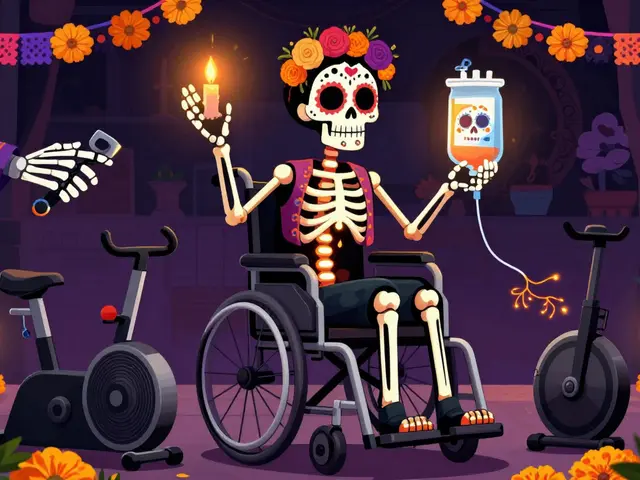
Spinal cord injury causes loss of movement and sensation below the injury site. Effective rehab begins immediately, using therapy, assistive devices, and technology to restore function and independence. Learn how exoskeletons, FES bikes, and brain-computer interfaces are changing recovery.

Amantadine is a prescription medication used in dogs and cats for chronic pain, especially when other drugs aren't enough. It blocks pain signals in the brain and works best when combined with other therapies.
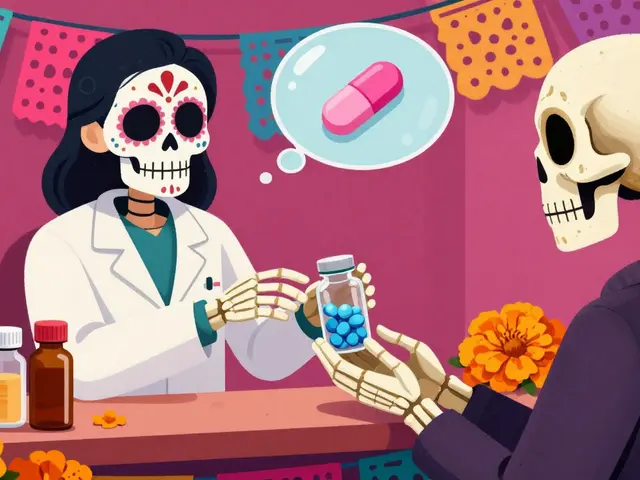
Explore how pharmacy substitution laws work and when pharmacists can switch to generic drugs without asking. Learn about presumed consent, patient rights, and safety concerns.
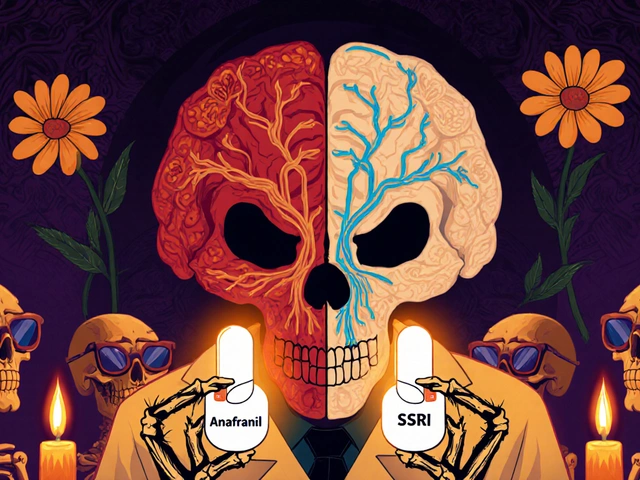
Anafranil (clomipramine) is effective for OCD but has tough side effects. Discover how SSRIs like Zoloft and Prozac compare as safer, nearly as effective alternatives - and when Anafranil might still be the best choice.
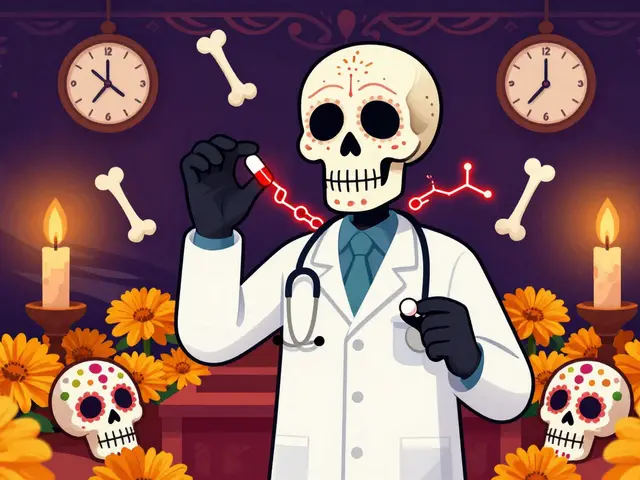
Magnesium supplements can block the absorption of osteoporosis medications like Fosamax and Actonel. Learn the two-hour timing rule to protect your bone health and avoid treatment failure.