
When you mix alcohol and opioids, a dangerous combination that depresses the central nervous system and can lead to fatal breathing problems. Also known as central nervous system depressants, this pairing doesn’t just make you feel drowsy—it can shut down your breathing without warning. Many people don’t realize how quickly this happens. Even a single drink with a prescribed opioid like oxycodone or hydrocodone can turn deadly. The body doesn’t handle both at once. They slow your heart rate, lower your blood pressure, and silence the signals that tell you to breathe. It’s not about how much you drink or how strong the pill is—it’s about the combo.
Opioids, a class of drugs used for pain relief that includes prescription meds like codeine, fentanyl, and morphine, as well as illegal heroin. Also known as narcotics, they work by binding to brain receptors that control pain and pleasure. Alcohol, a legal depressant that affects nearly every organ in the body, especially the brain and liver. Also known as ethanol, it’s not just a social drink—it’s a powerful sedative that amplifies every effect of opioids. Together, they don’t just add up—they multiply. Studies show that people who drink while taking opioids are 20 times more likely to die from an overdose than those who don’t. And it’s not just heavy drinkers at risk. One glass of wine, one beer, one shot—any amount can tip the balance.
This isn’t just about accidental overdoses. Long-term use of both can wreck your liver, damage your brain, and make addiction harder to treat. Many people start with a prescription for pain after surgery or an injury, then add alcohol to help sleep or ease anxiety. It feels harmless at first. But the brain adapts. You need more of both to feel the same. Then one day, your body stops responding to the usual dose—and you’re one sip away from disaster.
What you’ll find below are real, practical guides on how these substances interact, what signs to watch for, how to protect yourself or someone you care about, and what alternatives exist if you’re managing pain or anxiety. These aren’t theoretical warnings—they’re based on real cases, real data, and real people who made it out. You’ll read about how even small amounts of alcohol can ruin the safety of your medication, why some doctors miss this risk, and what steps you can take right now to stay safe.

Alcohol and prescription drugs can interact dangerously, causing overdose, liver damage, or death. Learn which meds are most risky, who's most vulnerable, and how to stay safe.
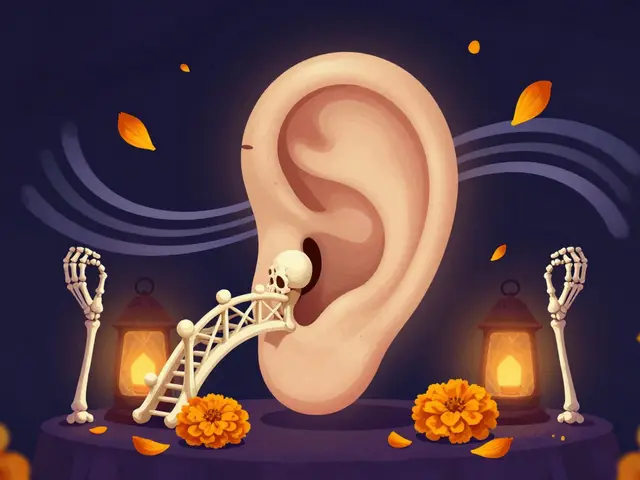
Otosclerosis is a common cause of hearing loss in adults under 50, caused by abnormal bone growth around the stapes. It leads to progressive conductive hearing loss, especially in low tones, but can be effectively treated with hearing aids or surgery.

Inflammation doesn’t always need a prescription pad and a bottle of steroids. This article dives deep into well-researched natural anti-inflammatories like curcumin, boswellia, omega-3s, and other botanicals. Learn how these alternatives function, their proven benefits, and practical tips for getting the most out of them—without the side effects of pharmaceuticals. Discover how you can harness the power of nature to tame inflammation and support your health.
In my latest blog post, I delve into the healing power of Tung Seed, a dietary supplement garnering attention in the health and wellness world. This comprehensive guide details its origin, health benefits and how to incorporate it into your daily routine. I've explored the scientific research behind its anti-inflammatory and antioxidant properties. The blog also sheds light on how Tung Seed can aid in heart health, diabetes control and boosting the immune system. If you're curious about natural health supplements, this is a must-read!
In my latest blog post, I dive into the underrated world of sodium as a dietary supplement. Surprisingly, despite its negative reputation, our bodies need sodium for a variety of critical functions such as maintaining fluid balance, nerve transmission, and muscle contractions. However, it's all about balance and moderation. Overconsumption can cause health issues, but adequate amounts can be beneficial. Check out the post to learn more about why sodium might be the supplement you need to try today.
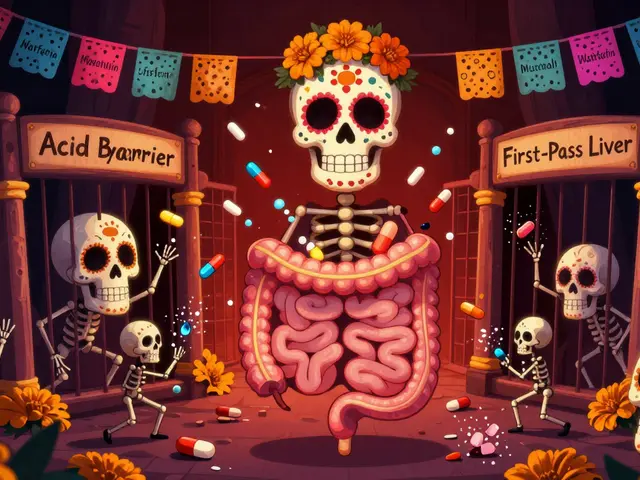
Many gastrointestinal medications fail to work because of how the gut absorbs (or blocks) drugs. Learn why food, disease, and formulation affect effectiveness-and what you can do about it.