
When you mix alcohol and benzodiazepines, a class of central nervous system depressants used to treat anxiety, seizures, and insomnia. Also known as benzos, these drugs include common prescriptions like diazepam, alprazolam, and lorazepam. Together with alcohol, they slow down your brain’s activity—sometimes too much. This isn’t just a warning you hear in ads. It’s a real, documented risk that sends thousands to emergency rooms every year.
The problem isn’t just that both substances make you drowsy. They both act on the same brain receptor—GABA—which controls relaxation and calm. When you stack them, the effect isn’t additive—it’s multiplicative. Your breathing slows. Your heart rate drops. Your reflexes vanish. You might not even realize how close you are to passing out, stopping breathing, or worse. Studies show that combining alcohol with benzodiazepines increases the risk of fatal overdose by up to 15 times compared to using either alone. This isn’t theoretical. It’s happened to people who took their prescribed Xanax after a drink at dinner, or who had a few beers while on Ativan for sleep.
Many people don’t realize they’re at risk because they think, "I only have one glass," or "My doctor said it’s okay." But even a single drink can turn a safe dose of a benzo into a dangerous one. Older adults, people with liver problems, or those taking other sedatives are at even higher risk. And it’s not just about accidents—long-term mixing can worsen anxiety, damage memory, and make dependence harder to break. Some patients end up needing detox because they thought they were just "helping" their anxiety with a glass of wine.
There are better ways to manage anxiety or sleep issues without risking your life. SSRIs like sertraline or citalopram, therapy like CBT, and even non-addictive sleep aids like trazodone have proven safer for long-term use. If you’re on a benzodiazepine, talk to your doctor about tapering off safely. Don’t wait until you’ve mixed it with alcohol and something goes wrong.
What you’ll find below are real, practical guides from people who’ve been there—whether it’s understanding why your doctor won’t refill your benzo if you drink, how to spot signs of dangerous mixing, or what alternatives actually work. These aren’t theoretical articles. They’re based on clinical data, patient experiences, and clear safety rules you can use today.

Alcohol and prescription drugs can interact dangerously, causing overdose, liver damage, or death. Learn which meds are most risky, who's most vulnerable, and how to stay safe.

Second and third generic drug manufacturers drive prescription prices down dramatically-often cutting costs by 50% or more. Learn how competition among generics saves billions and what keeps prices high despite more options.

Cut through the confusion of online Tofranil shopping. Here’s what you really need to know to buy antidepressants online, stay safe, and avoid scams.

Neurontin (Gabapentin) is commonly used for epilepsy and nerve pain, but it’s not the only option out there. This article explores eight different alternatives available in 2025, weighing their benefits and downsides. Whether you’re seeking different epilepsy treatments or exploring options for bipolar disorder, this guide will help you navigate your choices. Each option is described with practical pros and cons to help you make an informed decision.
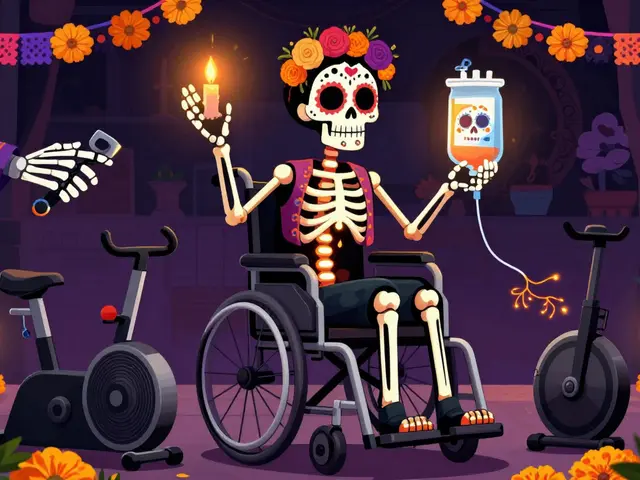
Spinal cord injury causes loss of movement and sensation below the injury site. Effective rehab begins immediately, using therapy, assistive devices, and technology to restore function and independence. Learn how exoskeletons, FES bikes, and brain-computer interfaces are changing recovery.

This article explores how well pyridostigmine bromide works for people with myasthenia gravis over long periods. It covers how the medication helps with daily symptoms, its long-term side effects, and what patients can expect from ongoing use. You'll get practical advice on managing the medication, what to watch out for, and how to talk to your doctor about adjusting doses. The article also looks at what recent research says about the safety of using pyridostigmine for years. It's straightforward, direct, and focused on helping patients and caregivers make informed decisions.