
When you take acetaminophen, a common pain reliever and fever reducer found in Tylenol and hundreds of other medications. Also known as paracetamol, it's one of the most widely used drugs in the world. But when combined with alcohol, a central nervous system depressant found in beer, wine, and spirits, it can turn a simple remedy into a silent threat to your liver. This isn’t just about binge drinking—it’s about what happens when even a single drink meets your daily dose of pain relief.
The liver processes both acetaminophen and alcohol using the same enzymes. When you drink, those enzymes get busy breaking down alcohol, leaving less capacity to handle acetaminophen safely. The result? A toxic byproduct called NAPQI builds up. Normally, your liver neutralizes it with glutathione. But if you’ve been drinking, glutathione levels drop—and that’s when damage starts. Studies show that people who drink regularly and take acetaminophen are up to four times more likely to suffer liver injury, even if they stick to the recommended 3,250 mg daily limit. It doesn’t matter if you had a glass of wine with dinner or a beer after work. That one drink can tip the balance.
This risk isn’t just for heavy drinkers. Even occasional drinkers, people on long-term pain meds, or those who take multiple products containing acetaminophen (like cold and flu remedies) are at risk. Many don’t realize that NyQuil, Excedrin, and even some prescription opioids contain acetaminophen. Combine that with a nightcap, and you’re stacking the odds against your liver. The damage often shows up silently—no pain, no warning—until it’s too late. Liver failure from this mix is preventable, but it doesn’t announce itself with a scream. It whispers.
What can you do? If you drink alcohol regularly, avoid acetaminophen entirely. Use ibuprofen or naproxen instead, unless your doctor says otherwise. If you only drink occasionally, wait at least 8 hours after your last drink before taking acetaminophen—and never exceed 3,000 mg per day. Read every label. Ask your pharmacist. Don’t assume it’s safe just because it’s over-the-counter. Your liver doesn’t care how you got there—it only cares if you’re asking too much of it.
Below, you’ll find real-world guides and safety checks from people who’ve been there. Some explain how to spot hidden acetaminophen in meds. Others break down what happens to your body when alcohol and painkillers collide. There’s no fluff here—just clear, practical advice to help you stay safe.

Alcohol and prescription drugs can interact dangerously, causing overdose, liver damage, or death. Learn which meds are most risky, who's most vulnerable, and how to stay safe.

Explore how carbidopa‑levodopa‑entacapone (Stalevo) improves daily "on" time and quality of life for Parkinson's patients, with evidence, dosing tips, and FAQs.
Discover hidden dangers in cold/allergy medication combinations. Learn critical ingredient interactions, avoid accidental overdoses, and decode confusing labels safely.
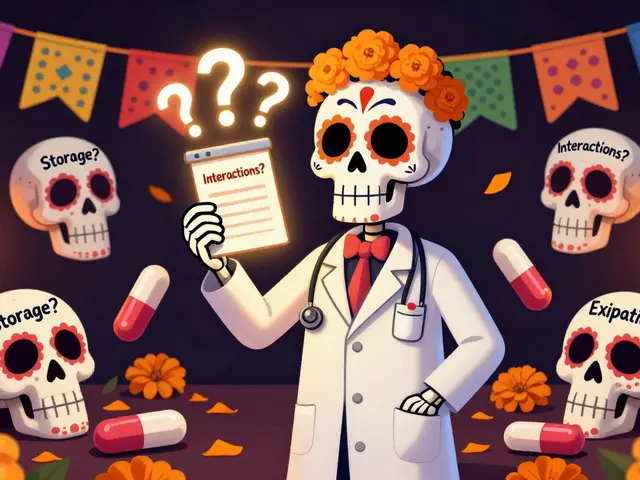
Learn the essential questions to ask at the pharmacy to avoid dangerous medication errors. Know what’s on your prescription label and how to verify it for safety.
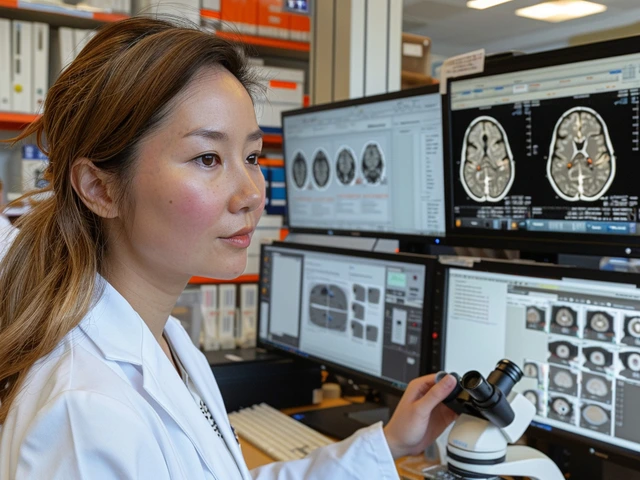
Inflammation’s role in Alzheimer's Disease is a topic of growing interest. This article explores the connection between chronic inflammation and cognitive decline, provides insights into possible causes, and discusses ways to manage inflammation to support brain health. Understanding inflammation's impact on Alzheimer’s could open doors to new treatments and prevention strategies.

As a blogger, I've recently come across the topic of the role of Clozapine in the management of psychotic depression. Clozapine, an atypical antipsychotic medication, is used to treat severe cases of this mental health disorder when other treatments have failed. Its unique properties help in alleviating both psychotic symptoms and depressive episodes. However, it's essential to be aware of the potential side effects and monitor blood levels closely while administering this medication. In conclusion, Clozapine plays a crucial role in managing psychotic depression, improving the quality of life for those who suffer from this challenging condition.