
Did you know a simple vitamin can stop rickets before it even starts? Parents looking for clear, quick answers on kids' meds or feeding tricks will find exactly what they need here. We cover two everyday challenges – keeping little bones strong with Alfacalcidol and helping your baby enjoy solid foods when sore gums make everything feel rough.
Alfacalcidol is a form of vitamin D that the body turns into its active version faster than regular vitamin D3. For growing children, especially those at risk of deficiency, this can mean healthier bones and fewer rickets cases. Doctors usually prescribe a low dose – often 0.25 micrograms per day for toddlers – but the exact amount depends on age, weight, and blood test results. Always follow your pediatrician’s guidance and keep an eye on any signs of excess calcium, like tummy aches or unusual thirst.
Giving Alfacalcidol is easy: mix the drops into a small amount of juice or breast milk, or let your child swallow the capsule with water if they can handle it. Consistency matters more than a single big dose, so set a daily reminder on your phone. Pairing the supplement with calcium‑rich foods such as cheese, yogurt, and leafy greens helps the vitamin do its job.
Teething can turn feeding time into a battle, but a few simple tricks make it smoother. Offer soft, cool foods like mashed bananas, chilled applesauce, or plain yogurt – the chill soothes sore gums while the texture is easy to swallow. Small bite‑size pieces let your baby practice chewing without overwhelming them.
Mix familiar flavors with new textures gradually. For example, blend a bit of pureed carrot into oatmeal, then increase the carrot amount over a few days. This helps your baby adjust without feeling like they’re missing out on favorite tastes. Patience is key: if your baby turns away, give them a break and try again later.
Remember to stay upright during meals. Sitting up reduces the risk of choking and makes swallowing easier. Keep a soft bib handy, but also wipe gums gently after each bite – a clean mouth feels better and can reduce irritation.
Both topics share one simple truth: small, consistent actions keep your family healthier. Whether you’re adding Alfacalcidol to your child’s daily routine or offering cool purees during teething, the goal is to make healthy habits feel natural. Keep these tips in mind, and you’ll see less stress at mealtime and stronger bones for years to come.

Seizure medications can affect fetal development and interact with birth control. Learn which drugs carry the highest birth defect risks, which are safest during pregnancy, and how drug interactions can impact both seizure control and contraception effectiveness.

When a child swallows the wrong medication, immediate action is critical. Call Poison Control at 800-222-1222 first. Avoid inducing vomiting. Know life-threatening symptoms requiring 911. Prevent future incidents with locked storage and smart pill bottles.

A practical guide for families coping with neuroblastoma, offering clear strategies to support siblings emotionally, maintain routine, and access professional resources.

Learn why infant immunizations are vital, how the vaccine schedule works, the diseases they prevent, safety facts, and practical steps for parents to protect their child's health.
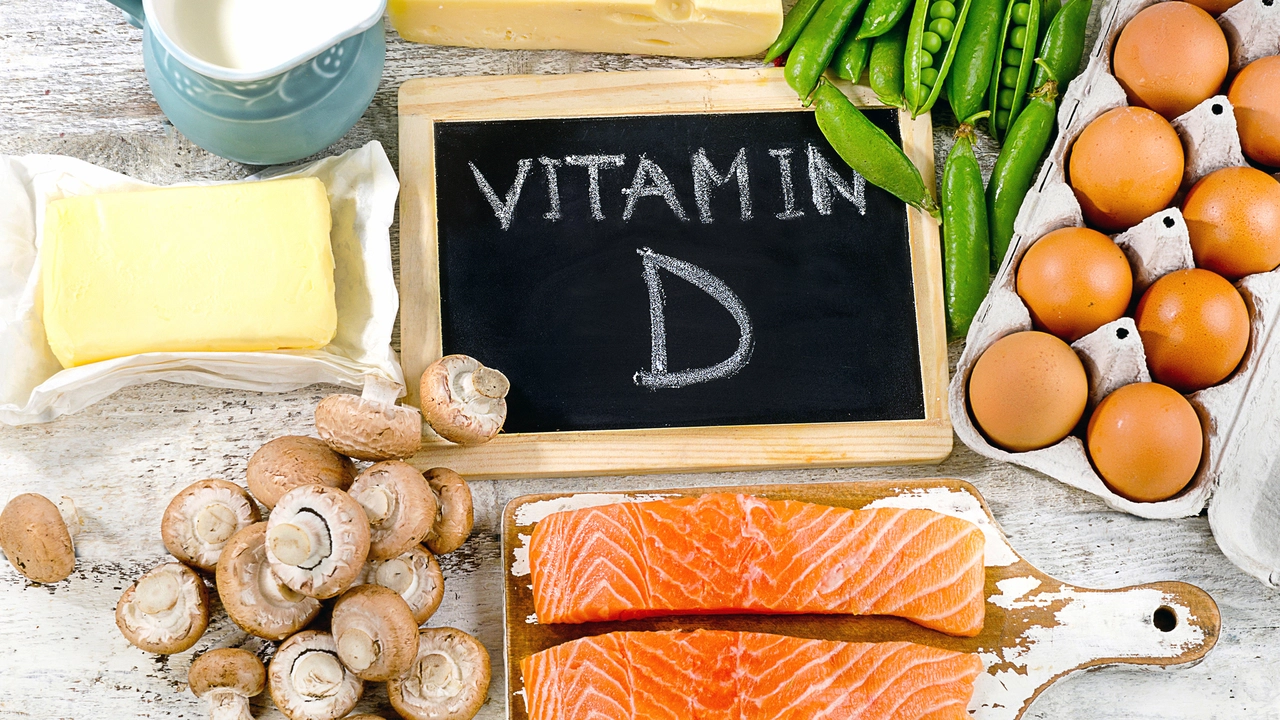
Hello there! In today's post, we're discussing a vital topic, which is the role of Alfacalcidol in preventing Rickets in children. It's crucial for us, as parents, to understand what exactly Alfacalcidol is and how it plays an integral role in strengthening our children's health. I'll be providing information about this amazing form of Vitamin D and highlighting how its timely administration can contribute significantly towards the prevention of rickets. Stay tuned for an insightful read!
Introducing solid foods to your baby during teething pain can be quite challenging. To help ease the transition, I suggest offering soft, cool foods that soothe their sore gums. Additionally, providing small, manageable bites and experimenting with different textures can make the process more enjoyable for your little one. Don't forget to be patient and understanding as they navigate this new experience. We're in this together, and supporting our babies during this phase will make a world of difference to their overall development.

A side‑by‑side comparison of Nasonex with top nasal sprays, covering efficacy, onset, cost, and best‑use scenarios to help you choose the right allergy spray.

OTC sleep aids like diphenhydramine and melatonin offer minimal sleep benefits but carry serious risks including dementia, falls, and rebound insomnia. Learn safe limits and better alternatives.

Explore the top alternatives to Canada Pharmacy Online in 2025, focusing on PocketPills among others. Discover the upsides and downsides of each alternative, including free delivery offers and app-managed prescriptions. This guide helps you make informed choices for your medication needs.

ACE inhibitors and ARBs are the cornerstone of treatment for diabetic nephropathy, reducing proteinuria and slowing kidney damage. Maximal dosing is key-low doses offer little protection. Learn when to use them, when to avoid combinations, and how to handle creatinine changes.

Lower GI bleeding is often caused by diverticula or angiodysplasia, especially in older adults. Learn how doctors diagnose and treat these common but different conditions, and why early intervention matters.