
Ever felt stuck on WebMD because you needed a second opinion or a different layout? You’re not alone. Millions search for health info daily, and there’s a whole world of sites that can give you clear answers without the clutter.
Mayo Clinic offers easy‑to‑read articles written by doctors. The pages include up‑to‑date research, pictures, and a simple “what to expect” section that makes complex topics feel manageable.
Healthline focuses on lifestyle and symptom checkers. Their symptom tool asks you targeted questions and then shows possible causes with links to deeper articles. It’s a good pick if you want quick guidance before seeing a professional.
Drugs.com is the go‑to for medication details. You can look up dosages, side effects, interactions, and even read user reviews. The layout is clean, so you won’t waste time scrolling through ads.
MedlinePlus, run by the U.S. National Library of Medicine, gives concise summaries with links to full studies. If you need hard data or want to see original research, this site has it in plain language.
FamilyDoctor.org (our own platform) combines drug info, disease overviews, and supplement guides into one place. We keep articles short, fact‑checked, and updated regularly so you can trust what you read.
First, check who wrote the article. Look for credentials like MD, PhD, or a clear link to a medical institution. If the author’s background is missing, move on.
Second, see when the page was last updated. Medical guidelines change fast—anything older than two years may be outdated.
Third, verify citations. Reputable sites link back to peer‑reviewed journals or official health agencies. If you only see vague statements like “studies show,” it’s a red flag.
Finally, consider the site’s purpose. Some pages sell products or push affiliate links; they might bias the information. Stick with platforms that prioritize education over sales.
By comparing a few sites side by side, you’ll quickly spot which one matches your style—whether you need in‑depth research, quick symptom checks, or medication details. Try opening two alternatives at once and see which layout feels smoother for you.
Bottom line: WebMD isn’t the only place to get reliable health facts. With Mayo Clinic’s expert articles, Healthline’s easy symptom checker, Drugs.com’s drug database, MedlinePlus’s research links, and FamilyDoctor.org’s all‑in‑one guides, you have plenty of options. Pick a couple, test them out, and stick with the one that gives you clear, up‑to‑date answers without the noise.

Discover a variety of alternatives to WebMD for reliable health information. From government-backed resources like MedlinePlus and the CDC to user-friendly sites like Verywell Health, these options offer comprehensive insights into diseases, conditions, and wellness topics. Each alternative is rated based on its reliability, user experience, and breadth of information, helping users find the right fit for their health inquiries.

Discover a variety of alternatives to WebMD for reliable health information. From government-backed resources like MedlinePlus and the CDC to user-friendly sites like Verywell Health, these options offer comprehensive insights into diseases, conditions, and wellness topics. Each alternative is rated based on its reliability, user experience, and breadth of information, helping users find the right fit for their health inquiries.

Partial onset seizures don't just affect the body-they deeply impact mental health, often leading to depression and anxiety. Learn how brain changes, medication side effects, and social stigma shape emotional well-being-and what actually helps.

As a blogger, I've recently been researching the connection between Tamsulosin and dental health, and I'd like to share some key points with you all. Tamsulosin is a medication commonly used to treat benign prostatic hyperplasia (BPH), and it has been found to potentially impact dental procedures. One significant concern is the risk of increased bleeding during dental surgery, which may require dentists to take additional precautions. Individuals taking Tamsulosin should always inform their dentist about their medication history to ensure safe and effective dental care. Ultimately, understanding the link between Tamsulosin and dental health is essential for both patients and dental professionals.

Explore the top alternatives to Canada Pharmacy Online in 2025, focusing on PocketPills among others. Discover the upsides and downsides of each alternative, including free delivery offers and app-managed prescriptions. This guide helps you make informed choices for your medication needs.
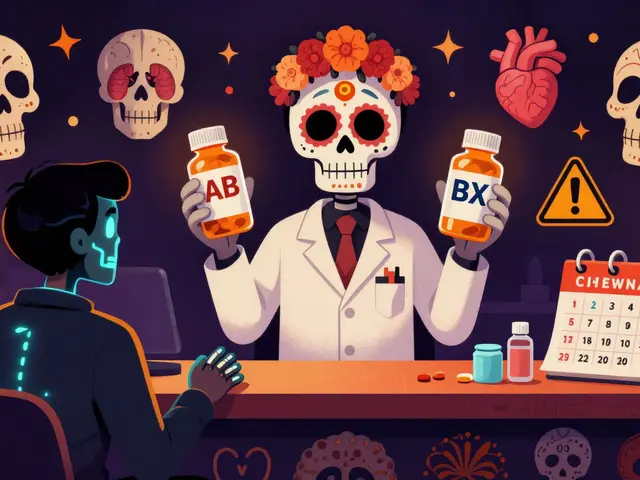
Pharmacists play a critical role in catching problematic generic medications that can cause therapeutic failure or adverse effects. Learn when and how to flag unsafe substitutions, especially with narrow therapeutic index drugs.