
When you hear a constant ringing, buzzing, or hissing in your ears with no outside source, you're dealing with tinnitus, a condition where the brain perceives sound without external input, often linked to hearing damage, medication side effects, or stress. It's not a disease itself, but a symptom—and ringing in the ears is how most people recognize it. About 15% of adults deal with it regularly, and while there’s no magic cure, tinnitus management can make a huge difference in daily life.
Tinnitus often shows up with hearing loss, a common trigger, especially from noise exposure or aging, where the brain tries to compensate for missing sounds by amplifying internal noise. That’s why hearing aids aren’t just for hearing better—they’re a key part of tinnitus management. They restore external sounds, which helps the brain stop focusing on the internal ring. Some people also find relief through sound therapy, using background noise like white noise machines, fans, or even specialized apps to mask the ringing. It doesn’t silence the sound, but it trains your brain to ignore it over time.
Medications don’t cure tinnitus, but some drugs can make it worse—like high doses of aspirin, certain antibiotics, or diuretics. If you started ringing after a new pill, talk to your doctor. It’s not always the drug itself, but how it affects your inner ear or blood flow. Stress and sleep loss make tinnitus louder, and that’s where simple habits matter: regular exercise, cutting back on caffeine, and protecting your ears from loud environments. You don’t need expensive gadgets or unproven supplements. Most effective approaches are low-tech and backed by real studies.
What you’ll find below are real patient stories, practical tips, and clear explanations about what works—and what doesn’t. From how noise exposure connects to long-term ringing, to why some supplements promise more than they deliver, these posts cut through the noise. You’ll learn how to spot dangerous drug interactions that worsen tinnitus, how to use everyday tools like fans or apps to get relief, and how hearing health ties into your overall well-being. No fluff. Just what helps, and how to make it work in your life.

Tinnitus affects 1 in 5 people and is often linked to hearing loss. Learn the real causes, what actually helps - from hearing aids to CBT - and what to avoid. No magic cures, just science-backed strategies.
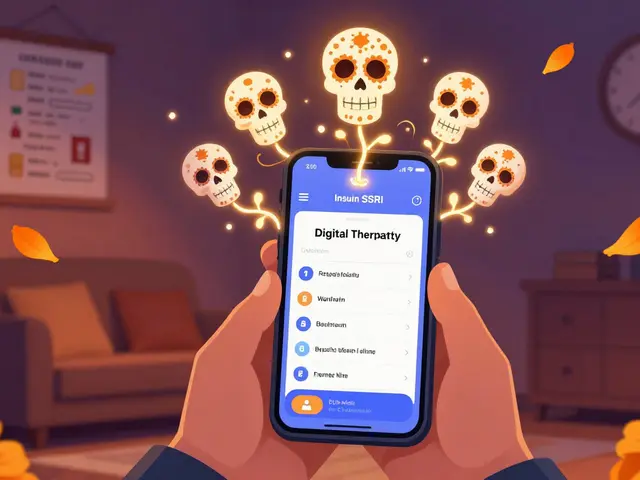
Digital therapeutics are FDA-cleared apps that help patients take medications correctly. In 2026, they're changing how chronic conditions are managed - but they also raise new questions about how software interacts with pills.

Want cheap generic Synthroid online in Canada? See safe pharmacy checks, 2025 pricing, ways to save, legal rules, and quick steps to order without risking your thyroid health.

A clear guide on using Ramipril in seniors, covering benefits, dosing, side effects, interactions, and safety tips for patients and caregivers.

Learn the essential questions to ask at the pharmacy to avoid dangerous medication errors. Know what’s on your prescription label and how to verify it for safety.

Hey there, folks! So, let's tackle the heavyweight topic of how indomethacin, a medication often used for severe arthritis, interacts with our blood pressure. Picture this: indomethacin, the main character in our story, can sometimes be a bit of a naughty rascal, nudging up our blood pressure readings. It's like it's playing a bit of a roller-coaster game with our heart rates! That's why, if you're a regular user, it's important to keep an eagle eye on your blood pressure, because we all know, surprises are good only at birthdays, not with health! So, remember, with indomethacin, it's always better to be a bit of a control freak, monitoring your blood pressure more often than you check your phone!