
When you hear SGLT2 inhibitors, a class of diabetes medications that lower blood sugar by making the kidneys remove excess glucose through urine, you might think they’re just another pill for diabetes. But they’re not. These drugs—like empagliflozin, a specific SGLT2 inhibitor proven to reduce heart failure risk in people with type 2 diabetes, canagliflozin, another SGLT2 inhibitor linked to lower rates of kidney disease progression, and dapagliflozin, a drug shown to help with weight loss and blood pressure control—do more than just move sugar out of your blood. They change how your body handles energy, fluid, and even stress on your heart and kidneys. Unlike older diabetes drugs that force your pancreas to make more insulin or make your cells more sensitive to it, SGLT2 inhibitors work independently of insulin. That’s why they’re often used when metformin isn’t enough, or when someone has heart or kidney problems alongside diabetes.
These drugs don’t just lower blood sugar—they come with side effects you need to know about. Some people get yeast infections or urinary tract infections because sugar in the urine creates a breeding ground for bacteria. Others feel lightheaded if they’re dehydrated, especially in hot weather or during exercise. Weight loss is common, which sounds good, but if you’re already thin, it can be a red flag. And while they’re generally safe, there’s a rare but serious risk of diabetic ketoacidosis, even when blood sugar isn’t sky-high. That’s why you shouldn’t stop them before surgery or during illness without talking to your doctor. What makes SGLT2 inhibitors stand out isn’t just how they work—it’s who they help. People with heart failure, chronic kidney disease, or obesity often see benefits beyond blood sugar control. In fact, studies show they can cut hospital stays for heart failure by nearly a third. That’s not a side effect—it’s a therapeutic win.
What you’ll find in the posts below is a real-world look at how these drugs fit into daily life. You’ll see how they compare to other diabetes treatments like GLP-1 agonists, what to watch for when switching from insulin, and how to handle side effects without ditching the medication. You’ll also find advice on managing hydration, understanding lab results, and why some people benefit more than others. This isn’t theory—it’s what patients and providers actually deal with when choosing, starting, or adjusting these drugs. Whether you’re newly diagnosed, struggling with side effects, or just trying to understand why your doctor picked this pill over another, you’ll find answers here—no jargon, no fluff, just what matters.

SGLT2 inhibitors like Jardiance and Farxiga lower blood sugar while protecting the heart and kidneys. Learn how they work, who benefits most, and what side effects to watch for.
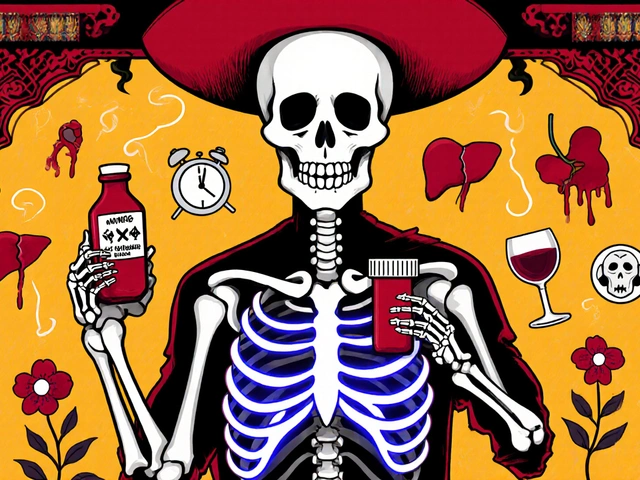
Alcohol and prescription drugs can interact dangerously, causing overdose, liver damage, or death. Learn which meds are most risky, who's most vulnerable, and how to stay safe.

Learn why infant immunizations are vital, how the vaccine schedule works, the diseases they prevent, safety facts, and practical steps for parents to protect their child's health.

Solian (amisulpride) is an antipsychotic with unique benefits for negative schizophrenia symptoms and low weight gain risk. Compare its side effects, effectiveness, and cost to risperidone, olanzapine, aripiprazole, and other alternatives.
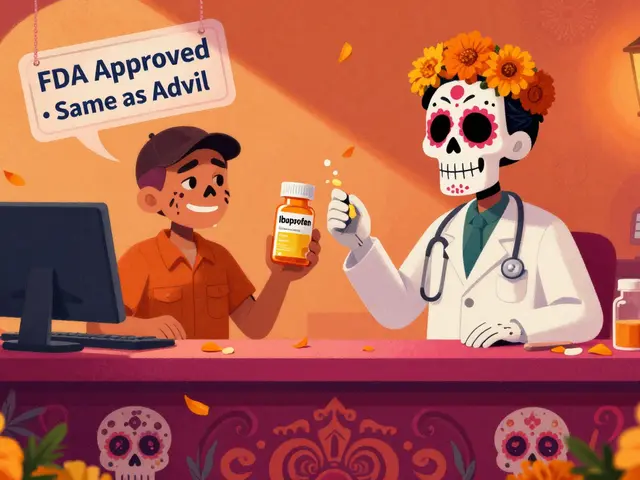
Generic substitution in workers' compensation saves billions by replacing brand-name drugs with equally effective generics. Learn how it works, when it’s required, and what injured workers should know.

Whistleblower protections shield manufacturing workers who report safety defects, from toys to medical devices. Learn which laws apply, deadlines to meet, and how to avoid retaliation.