
When a drug company gets a secondary patent, a new patent filed on a modified version of an existing drug, like a different dosage, coating, or delivery method. Also known as patent evergreening, it lets companies lock in profits long after the original patent expires. This isn’t about innovation—it’s about keeping generics off the market. The original patent for a drug might expire in 20 years, but with secondary patents, some drugs stay brand-only for 30, 40, even 50 years. You pay more because the company doesn’t have to compete.
These patents often cover things like authorized generics, the exact same drug as the brand, sold under a different label by the original maker, or tiny changes like a new pill shape or extended-release formula. The FDA doesn’t require new clinical trials for these changes—just proof the new version works the same. That’s why you see ads for "new improved" versions of old drugs. The active ingredient? Identical. The price? Still sky-high.
It’s not just about money—it affects your health. When generic drugs, medications that are chemically identical to brand-name versions but cost far less are blocked by secondary patents, patients delay refills, skip doses, or choose cheaper, less effective options. Studies show that when generics enter the market, prices drop by 80% or more. But if a company files a secondary patent on a narrow therapeutic index (NTI) drug, a medicine where small changes in dose can cause serious harm, like warfarin or phenytoin, even the slightest delay in generic access can put lives at risk.
You won’t find this talked about in drug ads. But if you’ve ever been told your insurance won’t cover the generic, or you got a new prescription with the same name but a different price, it’s likely because of a secondary patent. The system is designed to protect profits, not patients. That’s why we’ve collected real stories and data from people who’ve been hit by this—like the man who paid $800 for a pill that had a generic version available for $12, but the company held it back with a new patent on the coating. Or the woman whose epilepsy meds switched to a different generic, and her seizures returned because the inactive ingredients changed. These aren’t edge cases. They’re the result of a system that lets drug companies play games with your health and your wallet.
Below, you’ll find clear, no-fluff guides on how these patents work, how they impact your prescriptions, and what you can do to get the best price without sacrificing safety. From how authorized generics slip through the cracks to why some generics still cost too much, you’ll see exactly where the system fails—and how to beat it.

Secondary patents let pharmaceutical companies extend market exclusivity by patenting minor changes to drugs - not the active ingredient, but how it's delivered, used, or made. These tactics delay generics and keep prices high.
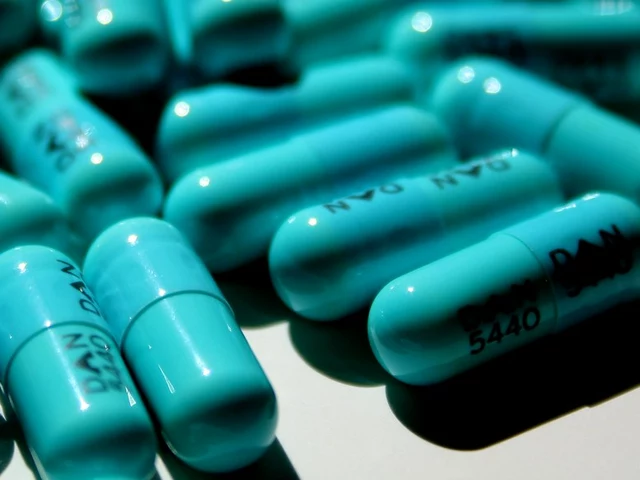
In my recent research, I've discovered that Tetracycline, a type of antibiotic, is remarkably effective in treating cholera. This disease, commonly spread through contaminated water, can be devastating but Tetracycline helps to reduce both the severity and duration of symptoms. It works by inhibiting the bacteria's protein synthesis, helping to prevent the disease from progressing. It's great to know that this antibiotic can be a game-changer in cholera-ridden areas. However, it's important to remember that prevention, through clean water and sanitation, is always the best cure.
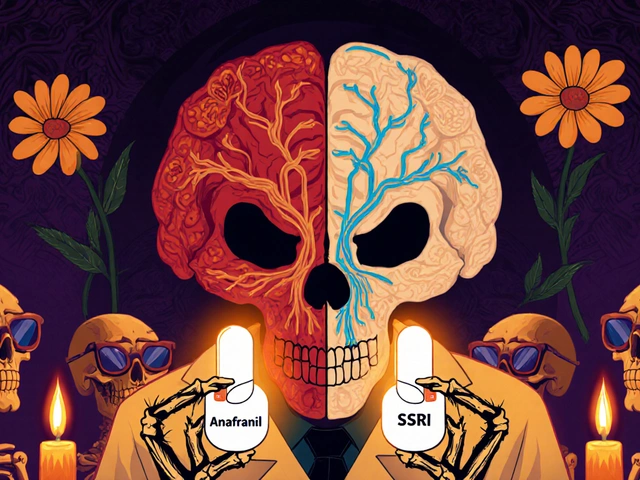
Anafranil (clomipramine) is effective for OCD but has tough side effects. Discover how SSRIs like Zoloft and Prozac compare as safer, nearly as effective alternatives - and when Anafranil might still be the best choice.
Learn how to safely exercise while taking statins to prevent muscle pain and injury. Practical tips backed by science for staying active without risking side effects.
A deep dive into imipramine's discovery, FDA approval, clinical impact, and why it still matters in modern psychiatry.
Learn safe ways to purchase cheap generic Singulair online, compare prices, verify pharmacies, and save on your asthma medication.