
When you hear second generic, a follow-up generic version of a drug that’s already been copied by other manufacturers. Also known as follow-on generic, it’s often cheaper than the first generic and sometimes even the brand name—but not always safer or better. Many people assume all generics are the same, but that’s not true. The first generic to hit the market gets approved based on bioequivalence to the brand drug. The second generic? It just needs to match the first generic, not the original. That small difference can matter if you’re sensitive to fillers, dyes, or coatings.
That’s where inactive ingredients, the non-medicinal parts of a pill like lactose, corn starch, or artificial colors come in. These are the hidden variables. A second generic might use a different binder than the first, and if you’re allergic to gluten or lactose, that swap could trigger a reaction. It’s not about the active drug—it’s about what’s holding it together. That’s why people switch back to brand or stick with one generic brand: consistency. Your body gets used to a specific formulation, and changing it—even for the same active ingredient—can throw off absorption or cause side effects.
generic vs brand, the comparison between FDA-approved copies and original drugs isn’t just about price. It’s about trust, experience, and personal response. Some people swear by the brand. Others save hundreds a month on generics without issue. But if you’ve had a bad reaction to one generic, don’t assume the next one will be fine. The FDA allows minor differences in how fast the drug enters your bloodstream—up to 20% variation. For most meds, that’s fine. For thyroid meds, blood thinners, or seizure drugs? That gap can be dangerous.
That’s why so many posts here dig into real-world details: how inactive ingredients in generics like bupropion or duloxetine cause headaches or nausea in some users, why generic medications for Parkinson’s or depression sometimes need to be tracked by lot number, and how switching between generics can mess with your blood levels. You’re not imagining it if you feel different after a refill. The pill might look the same, but the chemistry inside isn’t always identical.
What you’ll find below isn’t theory. It’s real stories from people who’ve been burned by a switch, or saved by finding the right generic version. You’ll learn how to read labels, spot red flags in pharmacy substitutions, and talk to your doctor about sticking to one version. Whether you’re managing diabetes, high blood pressure, or mental health, knowing the difference between a first and second generic isn’t just smart—it can keep you safe.

Second and third generic drug manufacturers drive prescription prices down dramatically-often cutting costs by 50% or more. Learn how competition among generics saves billions and what keeps prices high despite more options.

A side‑by‑side comparison of Nasonex with top nasal sprays, covering efficacy, onset, cost, and best‑use scenarios to help you choose the right allergy spray.
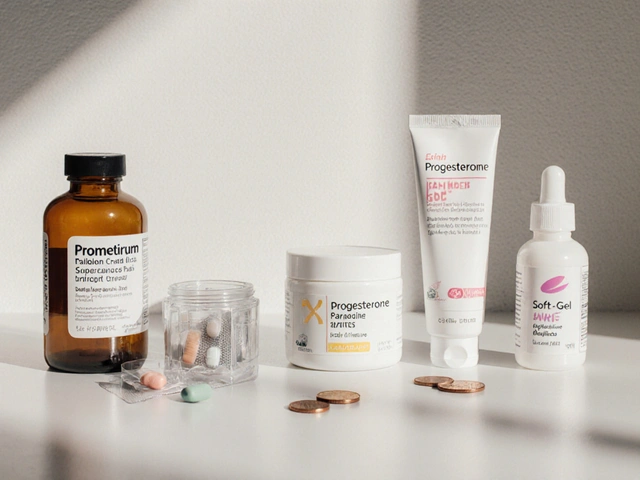
A clear, side‑by‑side comparison of Prometrium and its main alternatives, covering forms, dosing, costs, and how to choose the best progesterone option for your health needs.

A detailed look at Flunil (Fluoxetine) compared with other antidepressants. Learn mechanisms, dosing, side‑effects, cost and how to pick the right option for you.

In 2025, the landscape of hypothyroidism treatment offers a range of alternatives to Synthroid. These options cater to diverse patient needs, from synthetic solutions to natural remedies. This article delves into ten compelling alternatives, examining their benefits and drawbacks. With personalized medicine gaining momentum, understanding these options empowers patients to make informed choices in collaboration with their healthcare providers.

Cutaneous lupus causes skin rashes triggered by UV light. Learn how sunlight activates immune responses, what protective measures actually work, and the latest treatments to prevent flares and protect your skin.