
When you hear Ramipril, a prescription medication used to treat high blood pressure and heart failure. Also known as an ACE inhibitor, it works by relaxing your blood vessels so your heart doesn’t have to work as hard. It’s one of the most prescribed drugs for hypertension, especially for people with diabetes or after a heart attack. Unlike some other blood pressure meds, Ramipril doesn’t just lower numbers—it helps protect your kidneys and reduces the risk of future heart problems.
It’s part of a larger group called ACE inhibitors, a class of drugs that block an enzyme responsible for narrowing blood vessels. Other names in this group include lisinopril, enalapril, and captopril. Ramipril stands out because studies show it may offer extra protection for people with diabetes or early kidney damage. It’s often chosen when other meds don’t work well or cause side effects like coughing or swelling.
People take Ramipril for more than just high blood pressure. Doctors also prescribe it for heart failure, a condition where the heart can’t pump blood efficiently, and to improve survival after a heart attack. It’s not a quick fix—it takes weeks to show full effect. And while it’s generally safe, side effects like dizziness, dry cough, or high potassium levels can happen. That’s why regular checkups and blood tests are part of the process.
You’ll find posts here that compare Ramipril to other heart medications, explain how to take it safely with food or other drugs, and even cover how to buy generic versions without overpaying. Some articles dive into real-life experiences—like how people manage side effects or combine Ramipril with diet changes. Others look at what happens when you switch from brand-name to generic, or how it stacks up against newer drugs like ARBs.
Whether you’ve just been prescribed Ramipril or have been taking it for years, this collection gives you clear, no-fluff answers. No jargon. No marketing. Just what you need to understand how it works, what to watch for, and how to get the most out of your treatment.

A clear guide on using Ramipril in seniors, covering benefits, dosing, side effects, interactions, and safety tips for patients and caregivers.

Digital therapeutics are FDA-cleared apps that help patients take medications correctly. In 2026, they're changing how chronic conditions are managed - but they also raise new questions about how software interacts with pills.

State laws on generic drug substitution vary widely across the U.S., affecting cost, safety, and pharmacist workload. Learn how mandatory vs. permissive rules, patient consent, biologic restrictions, and liability protections differ by state-and what it means for you.
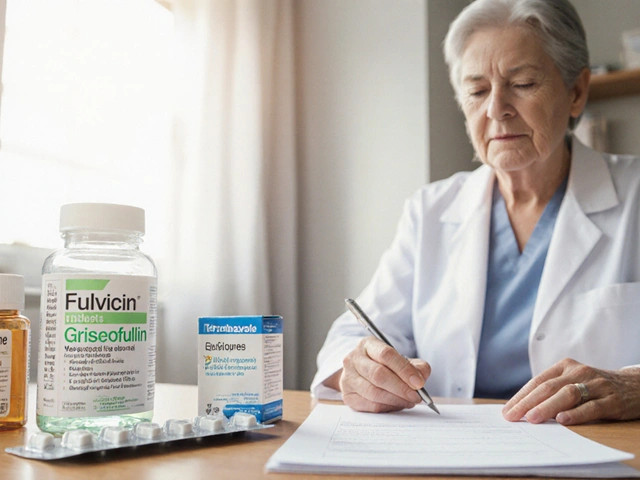
A side‑by‑side look at Fulvicin (griseofulvin) versus terbinafine, itraconazole, and fluconazole, covering how they work, costs, side effects, and how to pick the best option.
I recently discovered the incredible healing properties of Hedge-Hyssop, and I can't wait to share this new go-to dietary supplement with you all! Not only does this powerful herb support digestion and ease stomach issues, but it also helps to reduce inflammation and alleviate pain. As a natural remedy, Hedge-Hyssop has been proven to be safe and effective. I've personally experienced its benefits and highly recommend giving it a try. Incorporating Hedge-Hyssop into your daily routine could be the perfect addition to support your overall health and well-being.

As I've been researching the connection between Idiopathic Pulmonary Fibrosis (IPF) and aging, I've discovered that IPF is a progressive lung disease that primarily affects older adults. It seems that the aging process may contribute to the development of IPF due to the accumulation of cellular damage over time. Additionally, age-related changes in the immune system and cell-regrowth processes could also play a role in the onset of this disease. Sadly, there is no known cure for IPF, but understanding the link to aging may help researchers develop better treatments in the future. It's important for all of us to be aware of this connection and take care of our lungs as we age.