
When you take Ramipril, a common ACE inhibitor used to treat high blood pressure and heart failure. Also known as an angiotensin-converting enzyme inhibitor, it helps relax blood vessels so your heart doesn’t have to work as hard. Millions use it safely every day, but like all medications, it can cause side effects — and knowing what to expect can save you stress and maybe even a trip to the ER.
Most people tolerate Ramipril just fine, but some notice mild issues like a dry cough, dizziness, or tiredness — especially when they first start. These often fade after a few weeks as your body adjusts. But if you feel lightheaded when standing up, or your cough won’t go away, don’t ignore it. That dry cough? It’s one of the most common reasons people stop taking Ramipril, and it’s directly linked to how the drug works. It’s not an allergy, but it’s real, and your doctor can switch you to something else if it’s bothering you.
More serious side effects are rare but serious. Watch for swelling in your face, lips, or throat — that’s angioedema, and it needs immediate care. If you’re also taking a diuretic or have kidney problems, your risk for low blood pressure or high potassium goes up. Your doctor should check your kidney function and potassium levels early on, especially if you’re older or have diabetes. And if you’re pregnant, stop Ramipril right away — it can harm your unborn baby. This isn’t just a warning on the label; it’s a hard rule backed by decades of data.
People often ask if Ramipril causes weight gain or hair loss. The short answer? Not usually. Unlike some other blood pressure meds, it doesn’t typically make you gain weight. Hair loss isn’t listed as a known side effect in major studies. But if you’re noticing changes in your body, write them down. Track when they started, how bad they are, and whether they line up with your dose. Bring that list to your next appointment — it helps your doctor spot patterns faster.
What about interactions? Ramipril plays well with most meds, but it doesn’t like NSAIDs like ibuprofen or naproxen if you take them often. Those can reduce its effectiveness and hurt your kidneys. It also doesn’t mix well with potassium supplements or salt substitutes high in potassium. If you’re on Ramipril, skip the salt substitute unless your doctor says it’s okay. And don’t start any new supplement — even something like fish oil or garlic pills — without checking in first.
There’s a reason Ramipril shows up in so many posts here: it’s one of the most prescribed heart medications in the world. You’ll find guides on how to buy it cheap online, how it compares to lisinopril, and what to do if you miss a dose. But none of that matters if you don’t understand what your body might be telling you. The posts below give you the practical side — the cost tips, the pharmacy tricks, the comparisons. But this? This is the foundation. Knowing the side effects isn’t about scaring you. It’s about helping you take control.

A clear guide on using Ramipril in seniors, covering benefits, dosing, side effects, interactions, and safety tips for patients and caregivers.

Fibromyalgia can be a tricky condition, marked by widespread pain and fatigue. Vortioxetine, an antidepressant, is showing promise in helping those with fibromyalgia manage their symptoms. By positively affecting neurotransmitter levels, it may offer relief from pain and fatigue, giving patients a better quality of life. This article dives into how vortioxetine works and why it might be a game-changer for fibromyalgia sufferers.
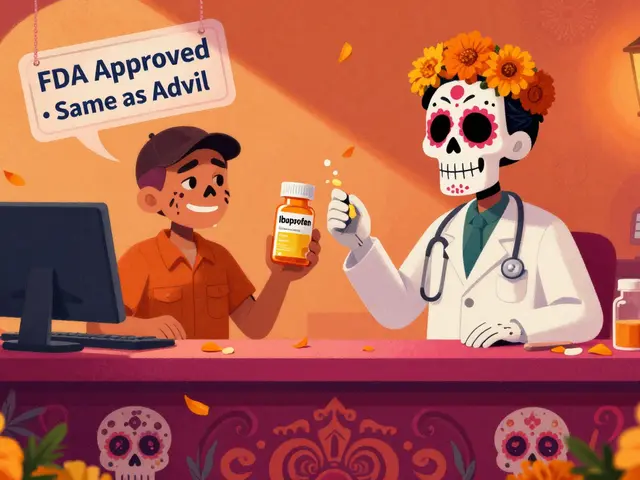
Generic substitution in workers' compensation saves billions by replacing brand-name drugs with equally effective generics. Learn how it works, when it’s required, and what injured workers should know.

A detailed side‑by‑side look at Viagra Soft (sildenafil) versus Cialis, Levitra, Stendra, generics and natural options, covering onset, duration, cost, side‑effects, and who should choose each.

In my recent dive into medical research, I stumbled upon a controversial topic: the potential link between Amlodipine, a common high blood pressure medication, and cancer. Several studies have surfaced suggesting a possible association, but the evidence is inconsistent and not yet fully understood. It's essential to remember that correlation does not imply causation, so while this topic definitely warrants further research, there's no need for panic. If you're currently taking Amlodipine, don't stop or change your medication without first discussing it with your doctor. Stay tuned as I continue to monitor this ongoing discussion.

Hello there! In today's post, we're discussing a vital topic, which is the role of Alfacalcidol in preventing Rickets in children. It's crucial for us, as parents, to understand what exactly Alfacalcidol is and how it plays an integral role in strengthening our children's health. I'll be providing information about this amazing form of Vitamin D and highlighting how its timely administration can contribute significantly towards the prevention of rickets. Stay tuned for an insightful read!