
When it comes to managing high blood pressure in older adults, Ramipril, a commonly prescribed ACE inhibitor used to lower blood pressure and protect the heart and kidneys. Also known as an angiotensin-converting enzyme inhibitor, it's often chosen for seniors because it reduces the risk of heart attack and stroke—especially in those with diabetes or early kidney damage. But here’s the thing: what works for a 50-year-old might be too much for an 80-year-old. The body changes with age, and so does how drugs like Ramipril are processed.
Older adults are more sensitive to Ramipril’s effects. Their kidneys don’t filter as well, their blood pressure tends to drop more easily, and they’re often taking other meds that can interact. That’s why doctors start low—usually at 1.25 mg or 2.5 mg once daily—and go slow. Many seniors never need more than 5 mg a day. Going higher doesn’t always mean better results, and it raises the risk of dizziness, fainting, or even dangerous drops in blood pressure. It’s not about hitting a target number fast; it’s about finding the lowest dose that keeps things stable without making the person feel unwell.
Before starting Ramipril, doctors check kidney function with a simple blood test. If creatinine levels are high or if the person has had kidney issues before, the dose gets lowered even more. Dehydration from diuretics, heat, or not drinking enough water can also make Ramipril risky for seniors. That’s why staying hydrated matters—especially in summer. And if someone starts feeling lightheaded when standing up, or unusually tired, it’s not just "getting older." It could be the medicine. Always talk to your doctor before changing the dose or skipping a pill.
Ramipril is often paired with other heart meds, like diuretics or calcium channel blockers. But mixing it with NSAIDs like ibuprofen or naproxen can hurt the kidneys faster in older adults. Even occasional use of these painkillers can be a problem. Also, Ramipril can raise potassium levels, so if someone’s eating a lot of salt substitutes or potassium-rich foods (like bananas or spinach), their doctor may need to monitor blood levels more closely.
What you won’t find in the bottle’s label is this: many elderly patients do better on Ramipril than on other blood pressure drugs—not because it’s stronger, but because it protects the heart and kidneys long-term. It’s not just about lowering the number on the gauge. It’s about helping someone stay independent, avoid hospital stays, and keep their daily routine intact.
Below, you’ll find real-world advice from people who’ve been there—how dosing was adjusted, what side effects showed up, and how to tell when it’s working without overdoing it. No fluff. Just what matters for seniors managing this medicine every day.

A clear guide on using Ramipril in seniors, covering benefits, dosing, side effects, interactions, and safety tips for patients and caregivers.

A clear guide on using Ramipril in seniors, covering benefits, dosing, side effects, interactions, and safety tips for patients and caregivers.

Learn how one medication can change how your body handles another - and what you can do to avoid dangerous reactions. Simple, practical steps to stay safe with your prescriptions.

In my latest blog post, I discuss the incredible benefits of Sweet Sumach, a powerful plant-based solution for optimal health. This amazing herb has been found to possess potent antioxidants, anti-inflammatory properties, and can even help regulate blood sugar levels. Not only does it contribute to overall well-being, but it also supports a healthy weight and benefits our heart health. I highly recommend incorporating Sweet Sumach into your daily routine to experience its numerous health benefits. Be sure to check out the full post for more information and tips on how to use this fantastic natural remedy.

Partial onset seizures don't just affect the body-they deeply impact mental health, often leading to depression and anxiety. Learn how brain changes, medication side effects, and social stigma shape emotional well-being-and what actually helps.
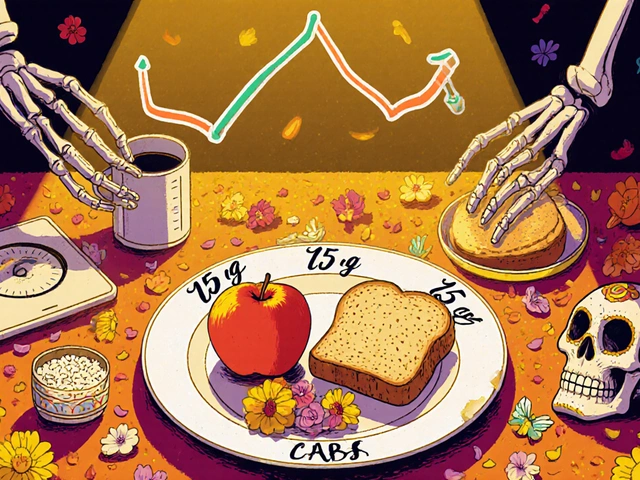
Learn how to count carbohydrates for diabetes management with this beginner-friendly guide. Understand carb servings, insulin ratios, reading labels, and avoiding common mistakes to take control of your blood sugar.