
When you walk up to the pharmacy counter, the person behind it isn't just a clerk—they're a pharmacy consultation, a direct line to expert advice on how medications work in your body and how to avoid dangerous mistakes. Also known as medication review, it's your best tool to prevent bad reactions, save money, and make sure your drugs actually help. Most people never ask the pharmacist anything beyond "Is this the right pill?" But that’s like buying a car and not asking how to change the oil. A real pharmacy consultation digs into what’s in your pills, how they mix with other meds, and whether you’re even taking them right.
Many of the posts here show why this matters. Take drug interactions, when two or more medications react in harmful ways inside your body. Also known as medication clashes, they’re behind many ER visits. One post explains how mixing beta-blockers with certain calcium channel blockers can slow your heart to dangerous levels. Another warns that alcohol and painkillers like acetaminophen can wreck your liver. These aren’t rare edge cases—they happen every day because people don’t ask. Then there’s medication safety, the practice of using drugs without causing harm through misuse, misunderstanding, or overlooked side effects. Generic pills save money, but their inactive ingredients can trigger allergies you didn’t know you had. Your pharmacist can spot that. And when you’re on multiple drugs—like for diabetes, anxiety, or high blood pressure—a consultation helps untangle what’s necessary and what’s just clutter.
Pharmacy consultations aren’t just for the elderly or the chronically ill. If you’re on any prescription, even one, or take supplements with your meds, you need this. The posts below cover real cases: how antidepressants interact with alcohol, why some diabetes drugs cause weight gain while others don’t, how to tell if your generic pill is safe for your sensitive stomach, and what to do when a drug stops working. You’ll find guides on cutting back on unnecessary pills, spotting hidden risks in over-the-counter combos, and how to talk to your pharmacist without feeling rushed. This isn’t theory—it’s what people actually need to know before swallowing another pill.

Learn how to use your pharmacy's consultation service to prevent dangerous drug interactions, save money, and improve medication adherence. A proven safety tool most patients don't know about.

Otosclerosis is a common cause of hearing loss in adults under 50, caused by abnormal bone growth around the stapes. It leads to progressive conductive hearing loss, especially in low tones, but can be effectively treated with hearing aids or surgery.

Curious about mixing spironolactone and alcohol in 2024? This article breaks down new clinical research on hormone levels and liver effects when the two are combined. Packed with facts, stats, and relatable situations, you'll find smart tips and an honest look at what doctors and studies really say. Readers will understand potential risks, latest findings, and safer habits for daily life—all in plain language.

In 2025, the landscape of hypothyroidism treatment offers a range of alternatives to Synthroid. These options cater to diverse patient needs, from synthetic solutions to natural remedies. This article delves into ten compelling alternatives, examining their benefits and drawbacks. With personalized medicine gaining momentum, understanding these options empowers patients to make informed choices in collaboration with their healthcare providers.

A detailed, people‑first guide comparing Aceon (perindopril+erbumine) with other ACE inhibitors and ARBs, covering efficacy, side‑effects, dosing and when to choose each option.
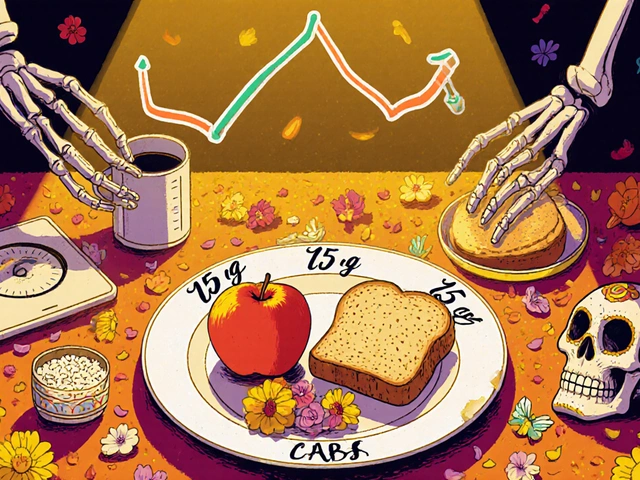
Learn how to count carbohydrates for diabetes management with this beginner-friendly guide. Understand carb servings, insulin ratios, reading labels, and avoiding common mistakes to take control of your blood sugar.