Tag: patient identification

Using Two Patient Identifiers in the Pharmacy for Safety: How It Prevents Medication Errors

Using Two Patient Identifiers in the Pharmacy for Safety: How It Prevents Medication Errors

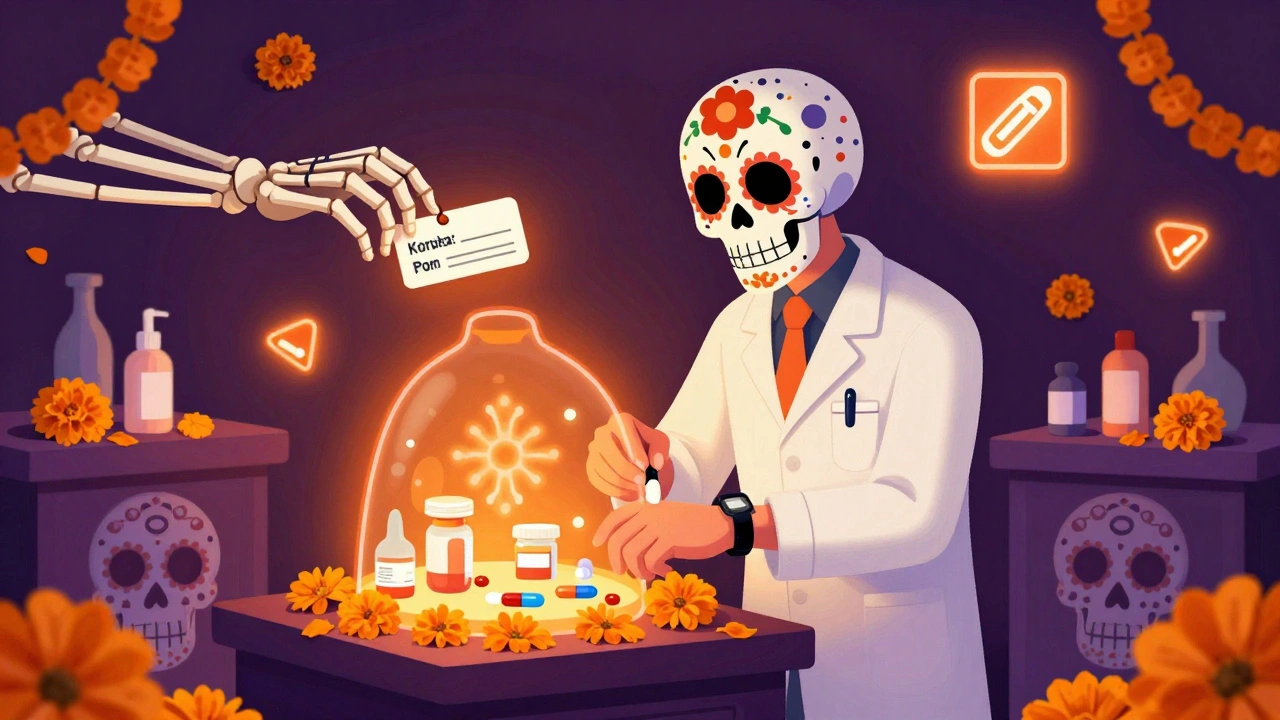
Using two patient identifiers in the pharmacy prevents deadly medication errors by ensuring the right person gets the right drug. Learn how barcode systems, documentation, and disciplined verification save lives.

RECENT POSTS

February 10, 2026
FDA Black Box Warnings: What You Need to Know About the Highest-Level Drug Safety Alerts

FDA black box warnings are the strongest safety alerts for prescription drugs, signaling risks of death or serious injury. Learn what they mean, how they're issued, and what to do if your medication has one.

March 10, 2026
Next-Generation GLP-1 Agents: What You Need to Know About Safety and Side Effects

Next-generation GLP-1 agents like retatrutide and orforglipron offer unprecedented weight loss but come with persistent GI side effects and unknown long-term risks. Learn what's new, what's risky, and what you need to know before starting.

November 13, 2025
Alcohol and Prescription Drugs: Dangerous Interaction Effects

Alcohol and prescription drugs can interact dangerously, causing overdose, liver damage, or death. Learn which meds are most risky, who's most vulnerable, and how to stay safe.

January 3, 2026
Benzodiazepines in the Elderly: Risks and Safer Alternatives

Benzodiazepines pose serious risks for seniors including falls, memory loss, and dementia. Safer alternatives like CBT-I, SSRIs, and ramelteon offer effective, long-term relief without the dangers. Learn why experts now recommend avoiding these drugs and how to transition safely.

July 1, 2023
Tetracycline for the treatment of cholera

In my recent research, I've discovered that Tetracycline, a type of antibiotic, is remarkably effective in treating cholera. This disease, commonly spread through contaminated water, can be devastating but Tetracycline helps to reduce both the severity and duration of symptoms. It works by inhibiting the bacteria's protein synthesis, helping to prevent the disease from progressing. It's great to know that this antibiotic can be a game-changer in cholera-ridden areas. However, it's important to remember that prevention, through clean water and sanitation, is always the best cure.