
When dealing with pancreatic cancer, a malignant disease that starts in the pancreas and often spreads quickly. Also known as pancreas cancer, it demands early detection and coordinated care. Chronic pancreatitis, a long‑term inflammation of the pancreas shares several risk factors such as smoking, heavy alcohol use, and certain genetic mutations, creating a natural link between the two conditions. Because both affect the same organ, inflammation from chronic pancreatitis can sometimes mask early tumor signs, making screening harder. Another key player is Chemotherapy, the use of anti‑cancer drugs to shrink or stop tumor growth, which is a cornerstone of pancreatic cancer treatment, often combined with surgery or radiation. Finally, Antioxidant supplements, nutrients that reduce oxidative stress and support cellular health are being studied for their role in easing chronic pancreatitis symptoms and potentially improving overall pancreatic health, although they are not a cure for cancer. Together, these entities form a network: pancreatic cancer requires prompt diagnosis, chemotherapy offers a primary treatment route, chronic pancreatitis can complicate detection, and antioxidant supplements may aid supportive care. Understanding how they interact helps patients and families navigate a complex landscape and make informed decisions.
Diagnosis of pancreatic cancer typically involves imaging (CT, MRI, endoscopic ultrasound) and lab tests such as CA 19‑9 tumor marker levels. Early identification is crucial because the disease often presents with vague symptoms like abdominal pain or weight loss, which overlap with chronic pancreatitis. Once a tumor is confirmed, a multidisciplinary team evaluates surgical options—like the Whipple procedure—alongside systemic therapies. Chemotherapy regimens (e.g., gemcitabine‑based combos) aim to shrink tumors before surgery or control spread afterward. Radiation may be added for borderline cases. Beyond the clinical side, patients often explore lifestyle adjustments: low‑fat diets, quitting smoking, and managing diabetes can influence outcomes. Some turn to antioxidant supplements, especially those rich in vitamin C, E, and selenium, to combat oxidative damage in pancreatic tissue. While evidence varies, proper supplementation under medical guidance can reduce inflammation and improve quality of life during treatment. The interplay between medical interventions and supportive measures illustrates a holistic approach: targeted drug therapy tackles the cancer directly, while diet, supplements, and management of related conditions like chronic pancreatitis support overall health and tolerance to aggressive treatment.
The articles below reflect this broad perspective. You’ll find side‑by‑side drug comparisons that help you choose the right pain reliever or anti‑inflammatory, guides on safely buying generic medications online, and deep dives into how antioxidants may aid chronic pancreatitis patients. Each post is written to give clear, actionable advice—whether you’re selecting a chemotherapy adjunct, balancing supplement dosages, or simply learning what symptoms to watch for. By exploring these resources, you’ll gain a better grasp of the medical options, supportive strategies, and practical tips that together form a comprehensive toolkit for anyone facing pancreatic cancer or its related challenges.
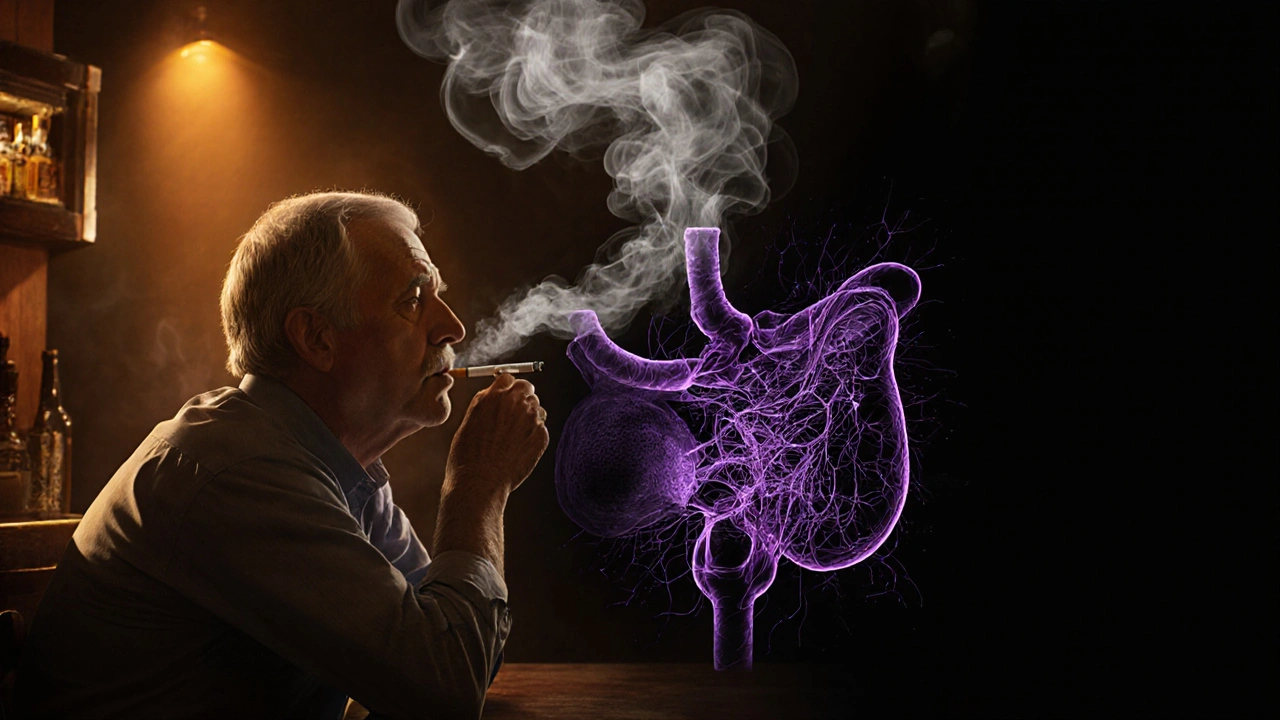
Explore how tobacco use fuels pancreatic cancer, the biological mechanisms, risk statistics, and steps to protect yourself.
Learn how to use your pharmacy's consultation service to prevent dangerous drug interactions, save money, and improve medication adherence. A proven safety tool most patients don't know about.

Pediatric safety networks bring together hospitals and communities to track side effects in children more effectively than ever before. These collaborative systems catch rare reactions, improve treatments, and prevent harm before it spreads.

Cutaneous lupus causes skin rashes triggered by UV light. Learn how sunlight activates immune responses, what protective measures actually work, and the latest treatments to prevent flares and protect your skin.
In 2026, flu and COVID-19 require different testing, treatment, and isolation strategies. Learn how the latest data on symptoms, antivirals, and transmission changes what you need to do when you're sick.
Neurontin (Gabapentin) is commonly used for epilepsy and nerve pain, but it’s not the only option out there. This article explores eight different alternatives available in 2025, weighing their benefits and downsides. Whether you’re seeking different epilepsy treatments or exploring options for bipolar disorder, this guide will help you navigate your choices. Each option is described with practical pros and cons to help you make an informed decision.