
When you hear about oxidative stress, the state where reactive oxygen species outnumber the body’s antioxidant defenses, leading to cellular harm. Also known as ROS overload, it shows up in everything from aging to chronic disease. A key player in this drama are free radicals, highly reactive molecules that can attack DNA, proteins and lipids. To keep those attackers in check, the body relies on antioxidants, compounds that neutralize free radicals and stop chain reactions. When the balance tips, you get cellular damage, injury to cell membranes, enzymes and genetic material, which fuels conditions like heart disease, diabetes and neuro‑degeneration. In many cases, inflammation, the body's response to injury or infection, can amplify oxidative stress, creating a vicious cycle.
Think of oxidative stress as a tug‑of‑war. On one side you have free radicals pulling hard, on the other side antioxidants pushing back. The outcome depends on diet, lifestyle, and environmental factors. Regular exercise, for example, boosts antioxidant enzymes, while smoking floods the system with extra free radicals. Nutrient‑rich foods like berries, leafy greens and nuts supply vitamins C and E, polyphenols and other antioxidants that directly scavenge harmful molecules. On the flip side, high‑sugar diets and processed foods can increase the production of reactive species, pushing the balance toward damage.
Understanding this balance is crucial because it shapes how we approach prevention and treatment. If you can lower free‑radical production, enhance antioxidant capacity, or dampen inflammation, you directly curb oxidative stress. This is why many clinicians evaluate oxidative markers when managing chronic illnesses, and why supplements such as coenzyme Q10, glutathione or curcumin often appear on treatment plans. However, the best results usually come from whole‑food strategies combined with lifestyle tweaks—think sleep, stress management and avoiding excess UV exposure.
Below you’ll find practical guides, drug comparisons and lifestyle tips that tackle the key pieces of the oxidative stress puzzle. Whether you’re curious about antioxidant‑rich diets, wondering how certain medications influence free‑radical production, or looking for safe ways to buy supplements online, this list has you covered. Dive in to see how each article connects back to the core ideas of free radicals, antioxidants, inflammation and cellular health.

Explore how antioxidant supplements can reduce oxidative stress, ease pain, and support standard therapy for chronic pancreatitis, with dosing tips and safety advice.
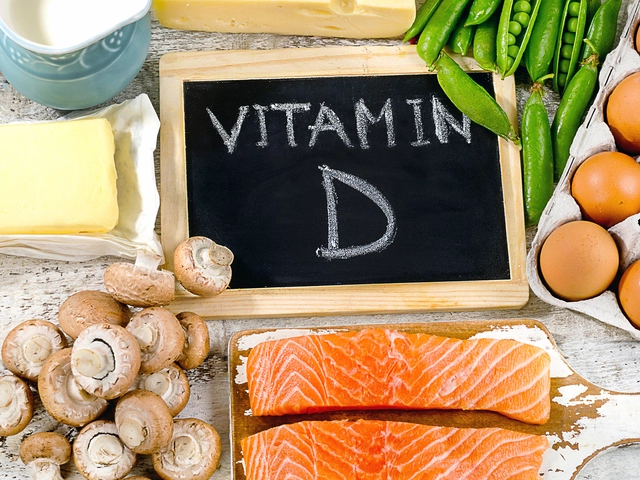
Hello there! In today's post, we're discussing a vital topic, which is the role of Alfacalcidol in preventing Rickets in children. It's crucial for us, as parents, to understand what exactly Alfacalcidol is and how it plays an integral role in strengthening our children's health. I'll be providing information about this amazing form of Vitamin D and highlighting how its timely administration can contribute significantly towards the prevention of rickets. Stay tuned for an insightful read!

Licorice contains glycyrrhizin, which can raise blood pressure and lower potassium, making blood pressure meds less effective. Avoid black licorice if you're on these medications.
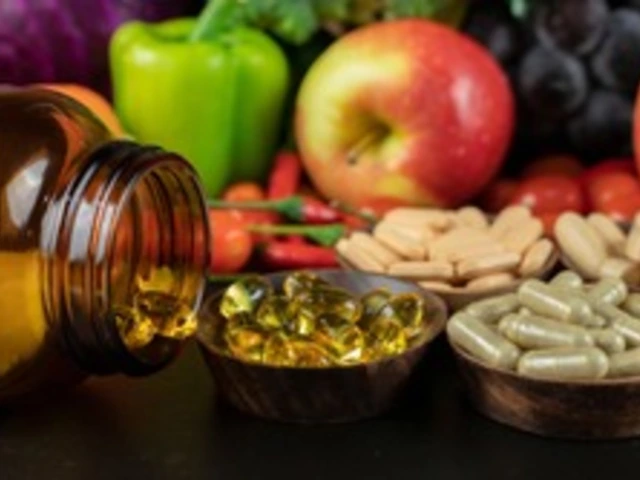
In my latest blog post, I dive into the underrated world of sodium as a dietary supplement. Surprisingly, despite its negative reputation, our bodies need sodium for a variety of critical functions such as maintaining fluid balance, nerve transmission, and muscle contractions. However, it's all about balance and moderation. Overconsumption can cause health issues, but adequate amounts can be beneficial. Check out the post to learn more about why sodium might be the supplement you need to try today.

A detailed side‑by‑side look at Viagra Soft (sildenafil) versus Cialis, Levitra, Stendra, generics and natural options, covering onset, duration, cost, side‑effects, and who should choose each.

Learn safe ways to purchase cheap generic Singulair online, compare prices, verify pharmacies, and save on your asthma medication.