
If you’re looking for a quick way to refill a script or need a medication that’s hard to find locally, buying it online can be tempting. But the internet is full of scams, fake pharmacies, and confusing rules. This guide walks you through what you really need to know before you click "add to cart".
A legitimate pharmacy will ask for a valid prescription from a licensed doctor. It should display a clear physical address, a working phone number and a pharmacist’s license number. Look for the VIPPS seal (Verified Internet Pharmacy Practice Sites) or a similar accreditation in your country. If a site promises “no prescription needed” for antibiotics or controlled drugs, walk away – that’s a red flag.
Before you trust any shop, type its name into a search engine along with words like "scam" or "review". Real users often share their experiences on forums, and a pattern of complaints usually means the site is unsafe.
1. Get a current prescription. Ask your doctor to send it electronically or scan a handwritten note. Most reputable pharmacies accept PDF files, faxed copies, or a direct e‑prescription link. 2. Choose a pharmacy that matches the rules in your country. In Canada, for example, sites must be licensed by Health Canada and require a prescription for drugs like Modafinil. In the U.S., look for an FDA‑registered online pharmacy. 3. Verify the drug’s price. Compare at least three sources before buying. Prices can vary widely; some sites hide extra fees until checkout. A quick check on official price guides helps you spot deals that are too good to be true. 4. Check shipping and handling. Reliable pharmacies use discreet packaging, trackable delivery and a clear return policy. Avoid places that ship from countries with lax drug regulations unless they provide proof of quality testing. 5. Read the safety information. Every medication comes with side‑effects and interactions. A good pharmacy will include an up‑to‑date label sheet or link to official prescribing info.
Following these steps reduces the chance of receiving counterfeit pills, getting scammed for money, or breaking the law.
Buying cheap antibiotics like Cipro without a prescription can lead to resistance or serious side effects. Some sites sell “generic” versions that are actually untested chemicals. To protect yourself, always check if the drug’s batch number matches what the manufacturer reports.
If you see a price that seems far lower than any other shop, assume it’s either fake or stolen medication. The risk isn’t worth the savings – counterfeit pills can cause liver damage, heart problems, or even death.
Contact the pharmacy’s customer service first; many issues are resolved with a refund or replacement. Keep all emails and receipts in case you need to dispute the charge with your bank. If you suspect counterfeit medication, report it to your national drug safety agency – they can investigate and protect other consumers.
Online prescriptions make life easier when you know how to navigate the market safely. Use verified pharmacies, keep a real prescription on hand, compare prices, and stay alert for red flags. By following these simple rules, you’ll get the meds you need without the hassle of endless pharmacy trips or risky scams.

Explore the top alternatives to Canada Pharmacy Online in 2025, focusing on PocketPills among others. Discover the upsides and downsides of each alternative, including free delivery offers and app-managed prescriptions. This guide helps you make informed choices for your medication needs.
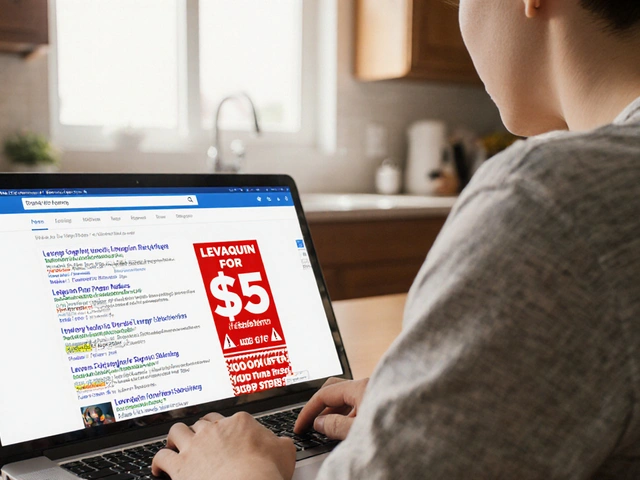
Learn how to safely buy cheap generic Levofloxacin (Levaquin) online, verify licensed pharmacies, compare prices, and avoid counterfeit risks.
Learn how to safely buy cheap generic Premarin online, verify legitimate pharmacies, compare prices, and understand dosage, side effects, and legal requirements.

Exploring the realm of erectile dysfunction treatments, this article sheds light on five notable alternatives to Cialis. Through a detailed analysis of Sildenafil, Stendra, Levitra, Alprostadil, and generic Tadalafil, readers can learn about their distinct features, benefits, and drawbacks. This information aids individuals in making informed choices regarding which treatment might best suit their needs for effective and satisfactory results.
Night shifts increase medication errors by over 12% due to fatigue. Learn which medications worsen drowsiness, why naps aren't enough, and what real system changes can prevent deadly mistakes.
Learn safe ways to purchase cheap generic Singulair online, compare prices, verify pharmacies, and save on your asthma medication.