
When it comes to mental health medications, drugs prescribed to treat conditions like depression, anxiety, bipolar disorder, and schizophrenia. Also known as psychiatric medications, these aren’t magic pills—but when used right, they can change lives. Millions of people take them every day, not to escape reality, but to finally feel like themselves again. But not all meds are the same. Some target serotonin levels, others block dopamine, and a few work on both. Knowing the difference matters—because the wrong choice can mean side effects that make things worse.
SSRIs, a common class of antidepressants that increase serotonin in the brain. Also known as selective serotonin reuptake inhibitors, they’re often the first line for depression and anxiety—drugs like sertraline and escitalopram. They’re not perfect—some people feel nauseous or wired at first—but for most, the benefits kick in after 4–6 weeks. Then there’s antipsychotics, medications used for schizophrenia, severe bipolar episodes, or sometimes treatment-resistant depression. Also known as neuroleptics, they come in two types: older ones like haloperidol with more movement side effects, and newer ones like aripiprazole and amisulpride that are gentler on the body but still need careful monitoring. And for anxiety? Benzodiazepines like alprazolam work fast but carry risk of dependence. That’s why many doctors now prefer non-addictive options like buspirone or even SSRIs, which take longer but offer lasting relief without the crash.
What you won’t find in ads is how personal this all is. One person’s miracle drug is another’s nightmare. A medication that helps your cousin’s panic attacks might leave you dizzy or emotionally numb. That’s why working with a doctor isn’t about finding the ‘best’ drug—it’s about finding the right fit for your body, your lifestyle, and your goals. And sometimes, the best option isn’t a pill at all—it’s combining meds with therapy, exercise, or better sleep habits.
Below, you’ll find real-world comparisons of specific drugs—like how clomipramine stacks up against SSRIs for OCD, or how amisulpride stands out in treating negative symptoms of schizophrenia. You’ll also see what happens when mental health meds mix with alcohol, how generics can save money without sacrificing safety, and why some people need to test for drug interactions before even starting treatment. This isn’t theory. It’s what people actually experience—and what you need to know before making a decision.
Psychiatric polypharmacy-taking multiple mental health medications at once-is common but often unsupported by evidence. Learn why it happens, the risks involved, and how to safely reduce unnecessary drugs without losing stability.
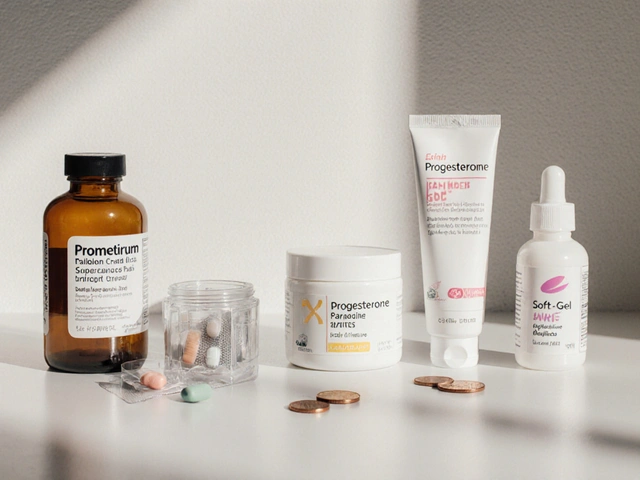
A clear, side‑by‑side comparison of Prometrium and its main alternatives, covering forms, dosing, costs, and how to choose the best progesterone option for your health needs.
Learn how to build a personalized medication action plan with your care team to improve adherence, avoid side effects, and reduce hospital visits. A clear, simple plan makes managing multiple meds easier and safer.

TNF inhibitors have transformed ankylosing spondylitis treatment by targeting the root cause of spine inflammation. Learn how these biologics reduce pain, improve mobility, and slow disease progression - and which patients benefit most.
Psychiatric polypharmacy-taking multiple mental health medications at once-is common but often unsupported by evidence. Learn why it happens, the risks involved, and how to safely reduce unnecessary drugs without losing stability.

Anxiety disorders affect nearly 1 in 5 adults and include types like GAD, panic disorder, and social anxiety. Evidence-based treatments like CBT and SSRIs are highly effective, with new options like digital apps and zuranolone emerging in 2023.