
When your body mistakes a medication allergy, an immune system overreaction to a drug that causes harmful symptoms. Also known as drug hypersensitivity, it’s not just a side effect—it’s your body treating a medicine like an invader. This isn’t about feeling a little dizzy or having a stomach ache. A true medication allergy triggers your immune system to release chemicals that cause hives, swelling, trouble breathing, or even life-threatening shock. It can happen with antibiotics like penicillin, painkillers like aspirin, or even common drugs like sulfa pills.
Not every bad reaction is an allergy. Nausea from antibiotics? That’s a side effect. A rash from a new medication? Could be an allergy—or just irritation. The real red flags are itching, swelling of the lips or throat, wheezing, or sudden drops in blood pressure. If you’ve ever had one of these after taking a drug, you’re not imagining it. Studies show nearly 1 in 5 people report a drug allergy, but many are misdiagnosed. Some think they’re allergic to penicillin because they got a rash as a kid, but decades later, most outgrow it. Getting tested can save you from being stuck with weaker, pricier, or more toxic alternatives.
Some drugs trigger reactions because they’re chemically similar. That’s called cross-reactivity, when an allergy to one drug causes a reaction to another with a similar structure. For example, if you’re allergic to penicillin, you might react to amoxicillin or cephalosporins. It’s why doctors ask detailed questions before prescribing. Even over-the-counter pain relievers like ibuprofen or naproxen can cause problems in people with certain allergies—especially those with asthma. And don’t assume natural supplements are safe. Some herbal products contain hidden drug ingredients that can trigger reactions you didn’t know you’d have.
If you’ve ever had a reaction, write it down. Include the drug name, what happened, when it started, and how long it lasted. Bring that list to every doctor visit. It’s not just helpful—it can be life-saving. Emergency rooms see people every day who didn’t know their reaction was serious, or who forgot to mention it because it happened years ago. You don’t need to be an expert to protect yourself. Just know your triggers and speak up.
There’s no cure for a medication allergy, but you can live safely with it. Allergists can do skin tests or controlled challenges to confirm what you’re really allergic to. For some, desensitization is an option—gradually introducing the drug under supervision so your body learns not to overreact. And if you’re truly allergic to a common drug like penicillin, there are often safe alternatives. The key is knowing exactly what you’re reacting to, not just assuming.
Below, you’ll find real-world guides on how drug allergies connect to other health issues—from interactions with alcohol and painkillers to how they affect treatment choices for chronic conditions. These aren’t theory pieces. They’re practical, tested advice from people who’ve been there, and doctors who’ve seen the results. Whether you’re managing a known allergy or just want to avoid one, what follows will help you make smarter, safer choices.
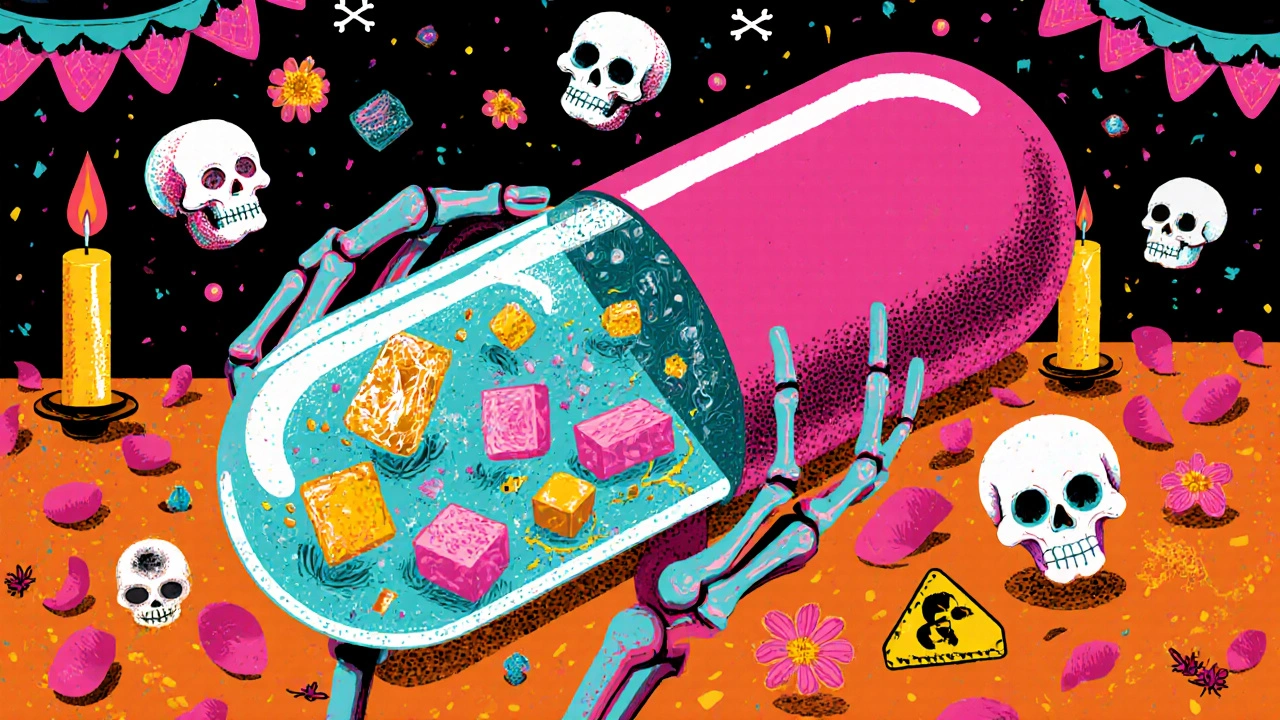
Generic medications save money but may contain different inactive ingredients that can trigger reactions in sensitive individuals. Learn what's really in your pills and how to protect yourself.

Actinic keratoses are precancerous skin patches caused by sun damage. Learn how field treatments like topical creams and photodynamic therapy can prevent them from turning into skin cancer.
Learn how to set up and safely use an insulin pump for diabetes management. Understand basal rates, bolus types, site care, and real-world safety tips to avoid dangerous complications.

Learn how to manage panic attacks with proven breathing, grounding, and medication strategies. This action plan helps reduce frequency, shorten episodes, and regain control during panic moments.
Stocking up on parasite meds? Stromectol isn’t your only option. This article lays out nine different alternatives, diving into what makes each one stand out, where they fit in, and some side-by-side tips. Find out who benefits from which drug and what risks to watch for so you can talk to your doc with confidence.

Cuba's healthcare system is amidst a critical shortage of essential medicines, pushing citizens towards the black market. This crisis highlights the struggle of families like Lili's, the irony of empty pharmacies yet abundant private vendors, and the government's efforts to address the complex issue.