
When you hear the name Lurasidone, an atypical antipsychotic prescribed mainly for schizophrenia and bipolar depression. Also known as Latuda, it works by balancing dopamine and serotonin activity in the brain, which helps reduce hallucinations, mood swings, and other psychotic symptoms. lurasidone has become a go‑to option for many clinicians because it offers a once‑daily dose and a relatively low risk of weight gain compared with older drugs.
One of the main disorders that Schizophrenia, a chronic mental health condition marked by delusions, hallucinations, and disorganized thinking is treated with lurasidone. When patients start therapy, doctors usually begin with 20 mg once daily and may increase to 40 mg based on response and tolerability. The medication’s rapid onset of symptom control often means patients notice fewer spikes in paranoia within the first few weeks. For people living with bipolar depression, the depressive phase of bipolar disorder characterized by low mood, fatigue, and loss of interest, lurasidone is approved as a monotherapy or as an add‑on to mood stabilizers. Studies show that a 40‑60 mg dose can lift mood without triggering mania, making it a valuable tool for balancing the thin line between depression and manic episodes. Beyond the core indications, clinicians watch closely for the medication’s side effects, the unwanted physical or mental reactions that can occur while taking a drug. Common reports include mild nausea, occasional sleepy feeling, and rare cases of akathisia – a restless sensation that can be managed by adjusting the dose or adding a beta‑blocker. Because lurasidone is taken with food, patients are advised to eat a meal containing at least 350 calories to improve absorption and reduce gastrointestinal upset. Blood tests are recommended at baseline and after a few months to monitor cholesterol and glucose, though the drug generally has a lighter metabolic impact than some older antipsychotics. When comparing lurasidone to other options like Quetiapine, an older atypical antipsychotic often used for both schizophrenia and bipolar disorder or Aripiprazole, a partial dopamine agonist with a lower risk of sedation, the differences become clear. Quetiapine tends to cause more sedation and weight gain, while aripiprazole can trigger impulse‑control issues in some users. Lurasidone’s profile sits in the middle: it’s less sedating than quetiapine and carries a lower metabolic burden than many alternatives, but it does require food for optimal absorption. This makes it a solid middle‑ground choice for patients who want efficacy without the heavy side‑effect load of some older drugs. Overall, the decision to start lurasidone hinges on a few practical points: the patient’s diagnosis (schizophrenia or bipolar depression), their history of side‑effect sensitivity, and lifestyle factors like regular meals. Physicians often run a brief checklist—diagnosis confirmed, baseline labs drawn, and a clear plan for monitoring—before prescribing. If you or someone you know is considering this medication, the next step is usually a conversation with a psychiatrist to weigh the benefits against any personal health concerns. Below you’ll find a curated set of articles that dive deeper into dosing strategies, side‑effect management, and head‑to‑head comparisons with other antipsychotics. Whether you’re looking for practical tips on taking lurasidone with meals or want to understand how it stacks up against quetiapine, the collection below offers clear, actionable information to help you make an informed choice.
Explore how lurasidone impacts cognition in schizophrenia and bipolar disorder, reviewing clinical trials, mechanisms, and practical guidance for clinicians.

Cutaneous lupus causes skin rashes triggered by UV light. Learn how sunlight activates immune responses, what protective measures actually work, and the latest treatments to prevent flares and protect your skin.

Explore the top alternatives to Canada Pharmacy Online in 2025, focusing on PocketPills among others. Discover the upsides and downsides of each alternative, including free delivery offers and app-managed prescriptions. This guide helps you make informed choices for your medication needs.

As I've been researching the connection between Idiopathic Pulmonary Fibrosis (IPF) and aging, I've discovered that IPF is a progressive lung disease that primarily affects older adults. It seems that the aging process may contribute to the development of IPF due to the accumulation of cellular damage over time. Additionally, age-related changes in the immune system and cell-regrowth processes could also play a role in the onset of this disease. Sadly, there is no known cure for IPF, but understanding the link to aging may help researchers develop better treatments in the future. It's important for all of us to be aware of this connection and take care of our lungs as we age.

Curious about mixing spironolactone and alcohol in 2024? This article breaks down new clinical research on hormone levels and liver effects when the two are combined. Packed with facts, stats, and relatable situations, you'll find smart tips and an honest look at what doctors and studies really say. Readers will understand potential risks, latest findings, and safer habits for daily life—all in plain language.
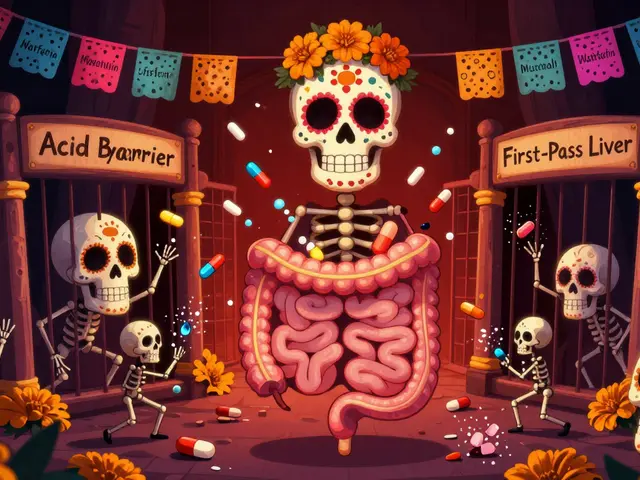
Many gastrointestinal medications fail to work because of how the gut absorbs (or blocks) drugs. Learn why food, disease, and formulation affect effectiveness-and what you can do about it.