
When you have diabetes, insulin-to-carb ratio, the number of grams of carbohydrate covered by one unit of insulin. Also known as insulin sensitivity factor for carbs, it’s the key to matching your insulin dose to what you eat—without guessing or spiking your blood sugar. This isn’t just a number on a sheet. It’s your personal formula for eating freedom. If your ratio is 1:10, that means one unit of insulin covers ten grams of carbs. Get it right, and you can enjoy a slice of pizza or a bowl of rice without panic. Get it wrong, and you’re stuck with highs, lows, or both.
People who use insulin—whether through injections or pumps—rely on this ratio every day. It works hand-in-hand with carbohydrate counting, the practice of tracking how many grams of carbs are in each meal. You can’t manage your insulin without knowing your carbs. And you can’t count carbs accurately without understanding food labels, portion sizes, and hidden sugars. Many of the posts below show how real people learn this skill, make mistakes, and adjust. Some use apps. Others write it down by hand. All of them find that consistency beats perfection.
The insulin dosing, the process of calculating how much insulin to take based on food, blood sugar, and activity. isn’t one-size-fits-all. Your ratio might be 1:8 at breakfast, 1:12 at lunch, and 1:15 at dinner. That’s normal. Your body’s sensitivity changes throughout the day. That’s why your doctor or diabetes educator helps you test and tweak. You’ll need to check your blood sugar before and after meals, track what you ate, and look for patterns. Over time, you’ll see which foods spike you more than others—and why.
And yes, it’s frustrating at first. You’ll miscalculate. You’ll have a low after dinner. You’ll eat a snack and forget to bolus. That’s part of the process. The posts here don’t pretend it’s easy. They show how people figured it out: one meal, one mistake, one correction at a time. You’ll find guides on reading labels, adjusting ratios based on activity, and dealing with insulin resistance. You’ll see how SGLT2 inhibitors and GLP-1 agonists can change your overall plan. You’ll even find advice on using pharmacy consultations to double-check your math.
This isn’t about being perfect. It’s about being informed. The insulin-to-carb ratio gives you back control. Not over your life—but over your blood sugar. And that’s everything.

Learn how to set up and safely use an insulin pump for diabetes management. Understand basal rates, bolus types, site care, and real-world safety tips to avoid dangerous complications.

Learn how alcohol affects allopurinol therapy for gout, understand risks, get safety tips, and discover alternatives for a healthier lifestyle.

Night shifts increase medication errors by over 12% due to fatigue. Learn which medications worsen drowsiness, why naps aren't enough, and what real system changes can prevent deadly mistakes.
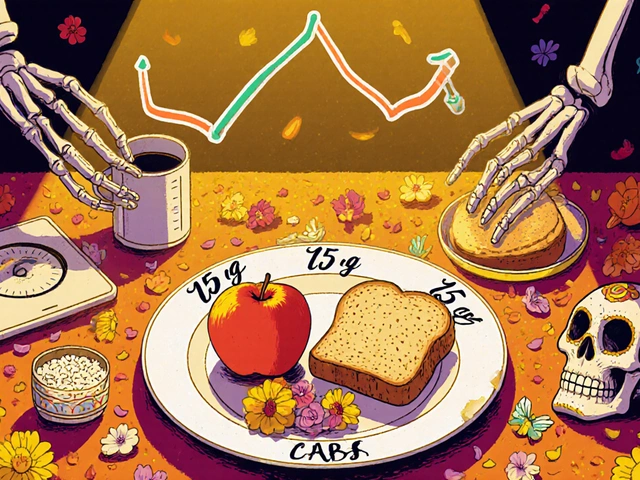
Learn how to count carbohydrates for diabetes management with this beginner-friendly guide. Understand carb servings, insulin ratios, reading labels, and avoiding common mistakes to take control of your blood sugar.
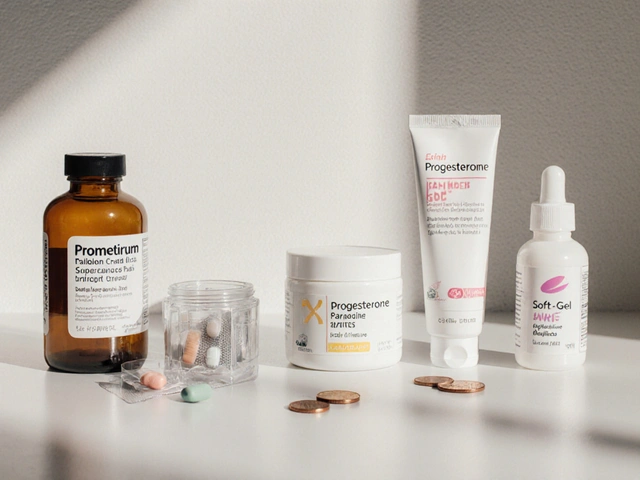
A clear, side‑by‑side comparison of Prometrium and its main alternatives, covering forms, dosing, costs, and how to choose the best progesterone option for your health needs.

A practical guide for organ transplant recipients covering common immunosuppressants, drug interactions, side effects, monitoring tips, and emerging therapies.