
If you’re tired of feeling achy after a long day, you’re not alone. Inflammation is the body’s alarm system, but when it sticks around too long it turns into constant discomfort. The good news? You can dial it down with everyday actions that cost nothing and fit right into your routine.
First off, move a little every hour. Even a five‑minute walk around the house or some gentle stretching stops joints from stiffening up. It doesn’t have to be an intense workout; just breaking up long sitting periods makes a big difference.
Sleep is another hidden hero. Aim for seven to nine hours of uninterrupted rest. When you skimp on sleep, your body releases more cortisol, a stress hormone that fuels inflammation. Keep the bedroom cool and dark, and put phones away at least an hour before bed to improve quality.
Stress management matters too. Try a quick breathing exercise: inhale for four counts, hold two, exhale four. Doing this a few times when you feel tense lowers the inflammatory response by calming your nervous system.
What you eat feeds inflammation just as much as what you avoid does. Swap out processed snacks for whole foods rich in antioxidants. Berries, leafy greens, and nuts are packed with polyphenols that act like natural fire extinguishers.
Omega‑3 fatty acids are a powerhouse for easing swelling. Grab a serving of salmon, sardines, or a tablespoon of flaxseed oil daily. If fish isn’t your thing, an affordable EPA/DHA supplement works just as well.
Spice up meals with turmeric or ginger. Both contain compounds that directly block inflammatory pathways. A simple golden milk (turmeric + warm milk) before bed can become a tasty habit you look forward to.
Don’t forget hydration. Water helps flush out waste products that can trigger inflammation. Aim for at least eight glasses a day, and add a squeeze of lemon for extra vitamin C support.
Finally, consider a short course of over‑the‑counter NSAIDs only when needed. They’re effective but shouldn’t become your go‑to solution; rely on lifestyle changes first to keep inflammation in check long term.
Putting these steps together creates a low‑effort plan that reduces pain without prescription meds. Start with one habit—maybe a quick walk after lunch—and build from there. You’ll notice less stiffness, smoother joints, and more energy for the things you love.

Inflammation doesn’t always need a prescription pad and a bottle of steroids. This article dives deep into well-researched natural anti-inflammatories like curcumin, boswellia, omega-3s, and other botanicals. Learn how these alternatives function, their proven benefits, and practical tips for getting the most out of them—without the side effects of pharmaceuticals. Discover how you can harness the power of nature to tame inflammation and support your health.

Hey there, folks! So, let's tackle the heavyweight topic of how indomethacin, a medication often used for severe arthritis, interacts with our blood pressure. Picture this: indomethacin, the main character in our story, can sometimes be a bit of a naughty rascal, nudging up our blood pressure readings. It's like it's playing a bit of a roller-coaster game with our heart rates! That's why, if you're a regular user, it's important to keep an eagle eye on your blood pressure, because we all know, surprises are good only at birthdays, not with health! So, remember, with indomethacin, it's always better to be a bit of a control freak, monitoring your blood pressure more often than you check your phone!

Learn how to safely buy cheap generic Levofloxacin (Levaquin) online, verify licensed pharmacies, compare prices, and avoid counterfeit risks.
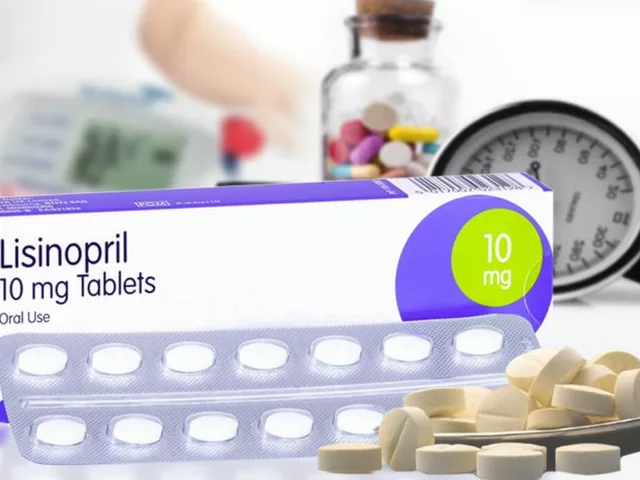
As a blogger, I've been researching the potential long-term effects of Lisinopril usage. Lisinopril, an ACE inhibitor, is commonly prescribed to treat high blood pressure and heart failure. While it may be effective in managing these conditions, it's important to be aware of the possible long-term effects. Some studies suggest that prolonged use of Lisinopril could potentially lead to kidney impairment, electrolyte imbalances, and an increased risk of angioedema. It's crucial to discuss these risks with your healthcare provider and weigh the potential benefits and drawbacks of using this medication long-term.

In my recent research, I've discovered that Tetracycline, a type of antibiotic, is remarkably effective in treating cholera. This disease, commonly spread through contaminated water, can be devastating but Tetracycline helps to reduce both the severity and duration of symptoms. It works by inhibiting the bacteria's protein synthesis, helping to prevent the disease from progressing. It's great to know that this antibiotic can be a game-changer in cholera-ridden areas. However, it's important to remember that prevention, through clean water and sanitation, is always the best cure.

Albendazole resistance is rising in many parts of the world due to overuse and underdosing. Learn why it happens, how it spreads, and what combinations and practices actually work when the drug fails.