
When you swallow a pill, you’re not just taking the active drug—you’re also swallowing a mix of inactive ingredients, non-medical substances added to pills to help with manufacturing, stability, or absorption. Also known as excipients, these are the fillers, binders, and coatings that make your medicine work the way it should. Think of them like the frame of a house: you don’t live in the frame, but without it, the house falls apart. Without these ingredients, many drugs would crumble, dissolve too fast, or not be absorbed at all.
Some common inactive ingredients, substances like lactose, starch, or titanium dioxide used to form tablets and capsules are harmless for most people. But for others, they can cause real problems. If you’re lactose intolerant, a pill with lactose as a filler might give you stomach pain. If you have a corn allergy, the starch in your medication might trigger a reaction. Even something as simple as food coloring or gelatin can be a problem for vegans or those with religious dietary restrictions. These aren’t just technical details—they’re personal health concerns.
Manufacturers use excipients, chemicals added to medicines to improve how they’re made or how they behave in the body for good reasons: to make pills easier to swallow, to control how fast the drug releases, or to keep them from going bad. But just because an ingredient isn’t active doesn’t mean it’s safe for everyone. The FDA tracks reports of allergic reactions and intolerances linked to these substances, and some are banned in certain countries while still allowed in others. That’s why reading the full ingredient list on your prescription label matters—especially if you’ve had strange side effects that don’t match the drug’s known profile.
You might think all generics are the same, but that’s not true. Two pills with the same active ingredient can have completely different inactive ingredients. One might use corn starch, another might use wheat starch. One might have a coating that dissolves in the stomach, another in the intestine. These differences can change how your body reacts—even if the main drug is identical. That’s why switching generics sometimes causes unexpected side effects, even when doctors say they’re interchangeable.
There’s no official public database that lists every inactive ingredient in every medication sold in the U.S., but the FDA does require manufacturers to include them on the label. If you’re unsure what’s in your pill, ask your pharmacist for the full ingredient list. Many online pharmacies and drug databases now include this info too. Don’t assume it’s safe just because it’s not the main drug. The real risk isn’t always in what you’re meant to take—it’s in what you’re not told you’re taking.
Below, you’ll find real-world guides that dig into how these hidden ingredients affect everything from drug effectiveness to allergic reactions. Some posts look at how generic versions differ in their fillers. Others show how certain additives can interfere with absorption or cause gut issues. Whether you’re managing a chronic condition or just trying to avoid a reaction, understanding what’s really in your medicine isn’t optional—it’s essential.
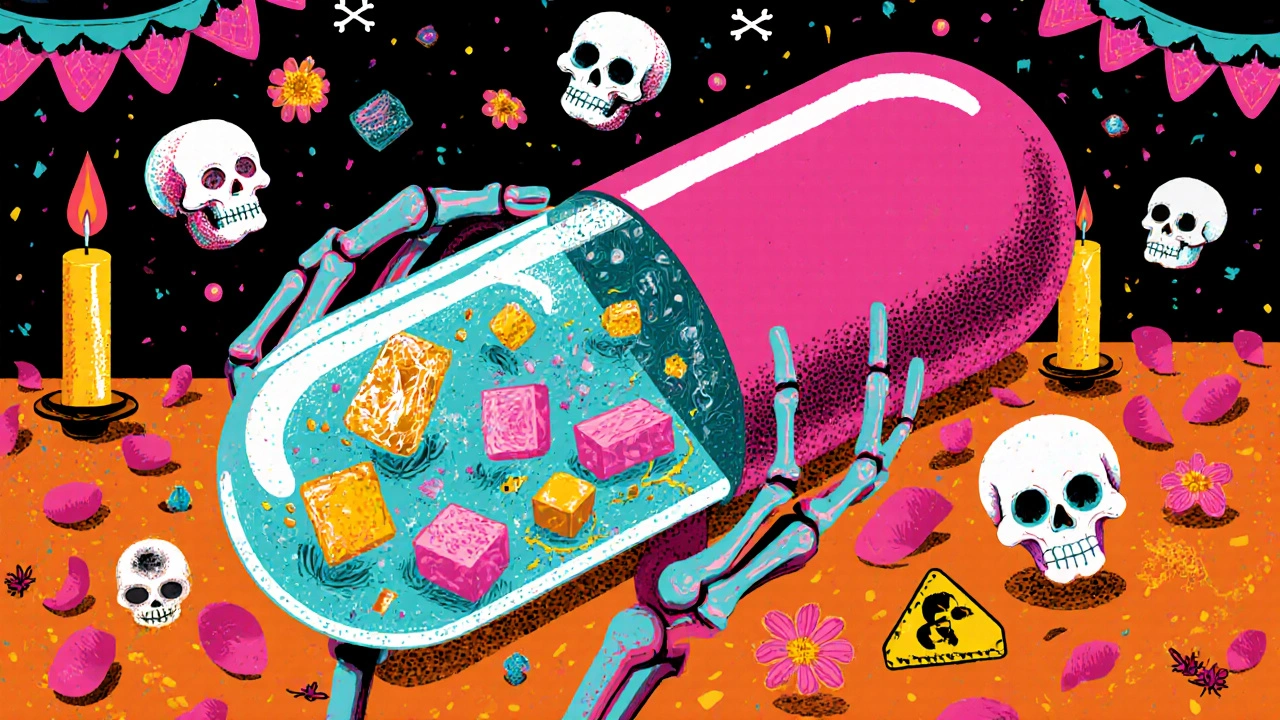
Generic medications save money but may contain different inactive ingredients that can trigger reactions in sensitive individuals. Learn what's really in your pills and how to protect yourself.

Licorice root can make blood pressure medications less effective by raising sodium, lowering potassium, and increasing fluid retention. Even small amounts over time can lead to dangerous spikes in blood pressure. Know what to avoid and how to stay safe.

TNF inhibitors have transformed ankylosing spondylitis treatment by targeting the root cause of spine inflammation. Learn how these biologics reduce pain, improve mobility, and slow disease progression - and which patients benefit most.
Learn how to safely buy cheap generic bupropion online. Get tips on verifying pharmacies, comparing prices, ordering steps, and legal considerations for affordable, legit medication.
Digital tools can help you avoid dangerous interactions between generic drugs, but not all apps are equal. Learn which ones actually work, what they miss, and how to stay safe when buying meds online.

As a blogger, I've recently researched enteric infections and I'd like to share my findings with you all. Enteric infections are caused by consuming contaminated food or water, and can lead to symptoms such as diarrhea, vomiting, and abdominal pain. They are often caused by viruses, bacteria, or parasites, with some common examples being E. coli and Salmonella. To prevent these infections, it is important to practice good hygiene, regularly wash our hands, and be cautious with the food and water we consume. Remember, prevention is better than cure, so let's stay vigilant and keep ourselves and our loved ones safe from these infections.