
When you hear GLP-1 receptor agonists, a class of injectable medications that mimic a natural hormone to control blood sugar and reduce appetite. Also known as incretin mimetics, they’re no longer just for diabetes—they’ve become a game-changer for weight loss too. These drugs, like semaglutide and liraglutide, trick your body into thinking it’s full faster, slow down digestion, and help your pancreas release insulin only when needed. That’s why they work so well for people with type 2 diabetes who also struggle with weight.
They’re not magic pills, but they’re one of the few medications that actually help you lose weight without surgery or extreme diets. Unlike older diabetes drugs that just push insulin out or block sugar absorption, GLP-1 agonists work with your body’s natural systems. They also reduce the risk of heart attacks and strokes in high-risk patients—a benefit you won’t find with most other diabetes treatments. If you’ve tried metformin and it didn’t help enough, or if you’ve been told you need to lose weight to improve your health, this class of drugs might be worth talking about with your doctor.
Related to these are semaglutide, the active ingredient in Ozempic and Wegovy, known for strong weight loss results and once-weekly dosing, and liraglutide, an earlier version sold as Victoza for diabetes and Saxenda for weight loss. Both are injectables, and both have similar side effects—mostly nausea at first, which usually fades. They’re not for everyone: if you have a personal or family history of thyroid cancer, you should avoid them. But for many, they’re the first real tool that makes managing diabetes and weight feel possible together.
What’s interesting is how these drugs connect to other topics you’ll find here. You’ll read about carbohydrate counting and how it fits into daily life when you’re on GLP-1 agonists—since your appetite drops, you might eat fewer carbs naturally. You’ll see how medication safety matters when you’re stacking these with other drugs like insulin or blood pressure pills. And you’ll find real advice on pharmacy consultation services, which can help you avoid mix-ups when you’re juggling multiple prescriptions. These aren’t just theory—they’re daily realities for people using these drugs.
There’s also a growing conversation about how these medications affect mental health and quality of life. People report feeling more in control, less anxious about food, and more confident—something that overlaps with topics like anxiety disorders and psychiatric polypharmacy. If you’re on multiple meds for different conditions, knowing how GLP-1 agonists interact with antidepressants or antipsychotics is crucial. And while these drugs are expensive, you’ll find posts on how generic drug prices are starting to drop as more versions hit the market.
What you won’t find here is hype. No before-and-after photos. No promises of losing 50 pounds in a month. What you will find are real, grounded stories and facts—how these drugs work in practice, what side effects actually feel like, how to talk to your doctor about them, and when they might not be the right fit. Whether you’re considering starting one, already on one, or just trying to understand why your friend or parent is on an injection for weight loss, this collection gives you the clear, no-fluff details you need.

Learn how to choose diabetes medications based on side effect profiles to improve adherence, avoid dangerous reactions, and match treatment to your health goals-without sacrificing blood sugar control.

A practical guide for families coping with neuroblastoma, offering clear strategies to support siblings emotionally, maintain routine, and access professional resources.

As a dental health enthusiast, I recently learned about the fascinating connection between calcium acetate and dental health. Calcium acetate, a compound found in some dental products, helps to combat tooth decay and promote healthy gums. It works by neutralizing the acids in our mouth, which are responsible for breaking down tooth enamel. Additionally, calcium acetate aids in remineralizing our teeth, making them stronger and more resistant to cavities. Incorporating dental products containing calcium acetate into our oral hygiene routine can significantly improve our overall dental health.

Learn how to safely exercise while taking statins to prevent muscle pain and injury. Practical tips backed by science for staying active without risking side effects.
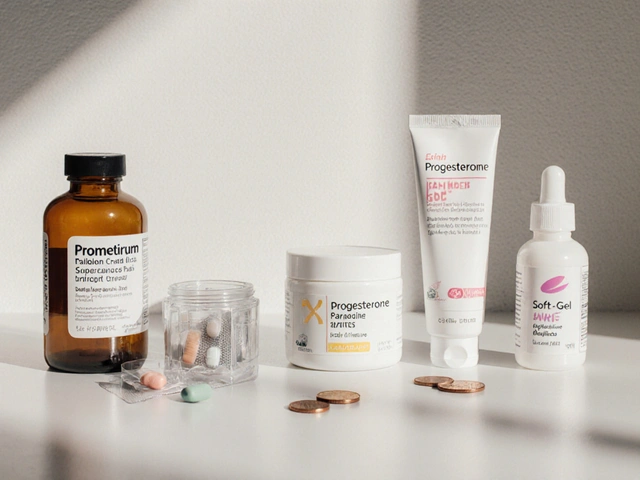
A clear, side‑by‑side comparison of Prometrium and its main alternatives, covering forms, dosing, costs, and how to choose the best progesterone option for your health needs.

In my latest blog post, I've discovered the amazing benefits of Bromelain, a secret weapon in our dietary supplement arsenal. This powerful enzyme, found in pineapple stems, has incredible anti-inflammatory and digestive properties. It's been proven to aid in protein digestion, reduce swelling, and even help with sinus-related issues. I personally love adding Bromelain supplements to my daily routine, and I've noticed a significant improvement in my overall well-being. Don't miss out on this hidden gem - give Bromelain a try and feel the benefits for yourself!