
When someone has a GI bleed workup, a step-by-step process doctors follow to find and treat bleeding in the digestive tract. It's not just one test—it's a chain of actions designed to stop life-threatening blood loss and prevent it from coming back. This process kicks in when you notice blood in your stool, vomit that looks like coffee grounds, or feel dizzy and weak from losing too much blood. The goal isn’t just to confirm bleeding—it’s to find where it’s coming from and how bad it is, fast.
A hemoglobin, a protein in red blood cells that carries oxygen level is usually the first clue. If it’s dropping fast, that tells doctors the bleed is active and serious. Next comes checking your blood pressure and heart rate—low pressure and high pulse mean your body is struggling to keep up. Then comes the most important tool: endoscopy, a procedure using a thin, lighted tube to look inside the stomach and upper intestine. It’s not just for seeing the problem—it’s often how you fix it. Doctors can clip a bleeding vessel, burn it with heat, or inject medicine right then and there. For lower GI bleeds, colonoscopy does the same job in the colon. If those don’t show the source, imaging like CT angiography might be used to spot the leak.
Not every GI bleed needs the same workup. If you’re older, on blood thinners, or have liver disease, the risk is higher and the approach changes. You might need a blood transfusion, a procedure to replace lost blood with donated blood before even going to endoscopy. Medications like proton pump inhibitors are often started right away, even before the cause is known—they help reduce stomach acid and improve healing. The whole process is timed: if you’re unstable, endoscopy happens within 24 hours. If you’re stable, it can wait until the next day. Delaying it doesn’t help.
What you’ll find in the posts below isn’t theory—it’s real-world guidance. You’ll learn how pharmacists help manage medications that increase bleeding risk, how certain drugs like NSAIDs or anticoagulants play a role, and how to avoid triggers that make things worse. Some posts talk about drug interactions that can turn a minor issue into a crisis. Others explain how to recognize warning signs before a bleed even happens. This isn’t about memorizing medical jargon—it’s about understanding what actually happens when a GI bleed occurs, what tests you’ll face, and how treatment decisions are made in real clinics. The goal? To help you ask the right questions, know what to expect, and work smarter with your care team.

Lower GI bleeding is often caused by diverticula or angiodysplasia, especially in older adults. Learn how doctors diagnose and treat these common but different conditions, and why early intervention matters.
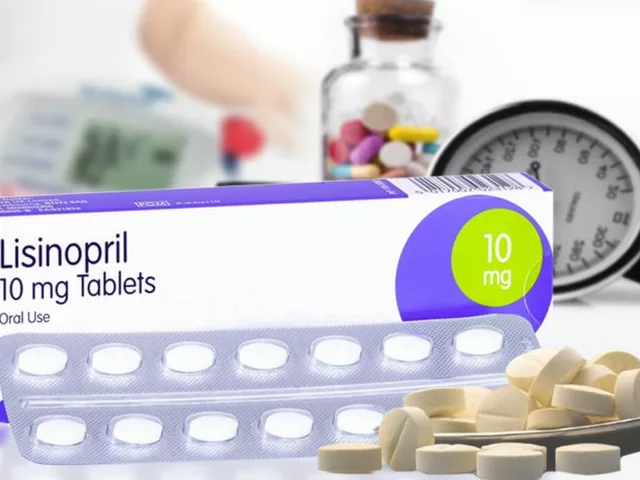
As a blogger, I've been researching the potential long-term effects of Lisinopril usage. Lisinopril, an ACE inhibitor, is commonly prescribed to treat high blood pressure and heart failure. While it may be effective in managing these conditions, it's important to be aware of the possible long-term effects. Some studies suggest that prolonged use of Lisinopril could potentially lead to kidney impairment, electrolyte imbalances, and an increased risk of angioedema. It's crucial to discuss these risks with your healthcare provider and weigh the potential benefits and drawbacks of using this medication long-term.

Hello there! In today's post, we're discussing a vital topic, which is the role of Alfacalcidol in preventing Rickets in children. It's crucial for us, as parents, to understand what exactly Alfacalcidol is and how it plays an integral role in strengthening our children's health. I'll be providing information about this amazing form of Vitamin D and highlighting how its timely administration can contribute significantly towards the prevention of rickets. Stay tuned for an insightful read!

Grapefruit can dangerously increase statin levels in your blood, raising the risk of muscle damage and kidney failure. Learn which statins are affected, how to stay safe, and what to do if you love grapefruit.

In my recent dive into medical research, I stumbled upon a controversial topic: the potential link between Amlodipine, a common high blood pressure medication, and cancer. Several studies have surfaced suggesting a possible association, but the evidence is inconsistent and not yet fully understood. It's essential to remember that correlation does not imply causation, so while this topic definitely warrants further research, there's no need for panic. If you're currently taking Amlodipine, don't stop or change your medication without first discussing it with your doctor. Stay tuned as I continue to monitor this ongoing discussion.

Zyrtec is one of the top choices for fast allergy relief, but there's much more to it than just popping a pill. This article explores how Zyrtec works, tips for safer use, how it compares to other allergy medicines, and surprising facts you probably didn't know. Discover detailed advice and smart hacks to help make your allergy season a breeze.