
When you buy food or medicine, you expect it to be safe. That’s not luck—it’s the work of the FDA, the U.S. Food and Drug Administration, a federal agency responsible for protecting public health by regulating food, drugs, and medical products. Also known as the U.S. Food and Drug Administration, it sets the rules that keep contaminated food off shelves and dangerous drugs out of pharmacies. The FDA doesn’t just inspect factories. It tracks outbreaks, enforces labeling rules, approves new medications, and decides what ingredients are allowed in your cereal, supplements, and even pet food.
Food safety under the FDA means more than just checking for dirt. It’s about controlling food contamination, the presence of harmful bacteria, chemicals, or toxins in food products like listeria in deli meats, salmonella in eggs, or heavy metals in baby food. The agency also watches for food labeling, the information printed on packaging that tells you what’s inside, how much, and whether it’s safe for people with allergies. If a product says "low sodium" or "gluten-free," the FDA has rules that company must follow—or face fines and recalls.
It’s not just food. The FDA also oversees drugs, including over-the-counter pills and supplements. That’s why you see warnings on medicine labels or why some products get pulled off the market. A supplement claiming to "cure diabetes"? The FDA steps in. A new drug with dangerous side effects? They require changes or removal. This system isn’t perfect, but it’s the main line of defense between you and harmful products.
You might wonder why some unsafe products slip through. The truth? The FDA can’t test everything. They rely on reports from consumers, doctors, and companies. That’s why your voice matters—if you get sick after eating something or taking a supplement, reporting it helps them act faster. And while big recalls make headlines, most safety issues are caught early, before they spread.
The posts below cover real cases where food and drug safety intersect with everyday health. You’ll find guides on how inactive ingredients in pills can trigger reactions, how alcohol mixes dangerously with prescriptions, and how generic drugs are held to the same safety standards as brand-name ones. These aren’t abstract rules—they’re about what’s in your medicine cabinet, your fridge, and your body.

The FDA uses Traceability Lot Codes to quickly track contaminated food batches, cutting outbreak response time from weeks to hours. Learn how the system works, which foods are covered, and what businesses must do to comply.
Learn how to use your pharmacy's consultation service to prevent dangerous drug interactions, save money, and improve medication adherence. A proven safety tool most patients don't know about.
A detailed side‑by‑side look at Viagra Soft (sildenafil) versus Cialis, Levitra, Stendra, generics and natural options, covering onset, duration, cost, side‑effects, and who should choose each.

PCI and CABG are two proven treatments for blocked heart arteries. Learn how doctors decide which one is right for you based on diabetes, blockage complexity, and long-term outcomes.
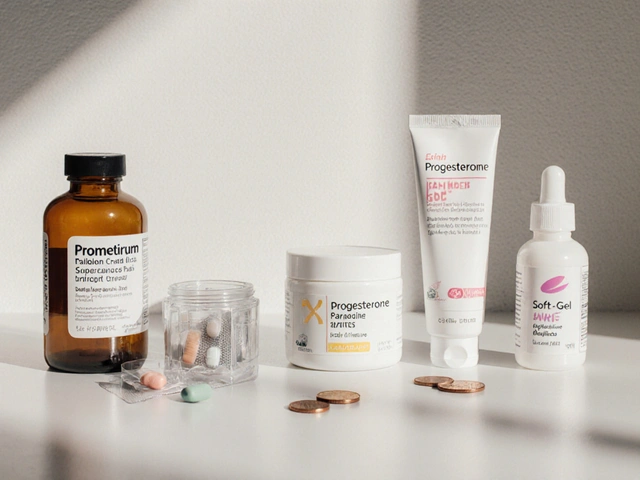
A clear, side‑by‑side comparison of Prometrium and its main alternatives, covering forms, dosing, costs, and how to choose the best progesterone option for your health needs.

Exploring the realm of erectile dysfunction treatments, this article sheds light on five notable alternatives to Cialis. Through a detailed analysis of Sildenafil, Stendra, Levitra, Alprostadil, and generic Tadalafil, readers can learn about their distinct features, benefits, and drawbacks. This information aids individuals in making informed choices regarding which treatment might best suit their needs for effective and satisfactory results.