
When your liver stores too much fat, it’s called fatty liver, a condition where excess fat builds up in liver cells, often without symptoms until damage occurs. Also known as hepatic steatosis, it’s not just a problem for heavy drinkers—it’s now the most common liver disease in the U.S., affecting up to 1 in 3 adults. Most cases fall into two types: nonalcoholic fatty liver disease (NAFLD), fat buildup not caused by alcohol, often linked to obesity, insulin resistance, or high cholesterol, and alcohol-related liver disease, fat accumulation from long-term heavy drinking. Both can quietly progress to inflammation, scarring, and even liver failure if ignored.
Fatty liver doesn’t always mean you’re unhealthy—but it’s a strong signal that something’s off. It’s closely tied to metabolic issues like type 2 diabetes, high blood pressure, and belly fat. Many people find out they have it during a routine ultrasound or blood test, not because they feel sick, but because their liver enzymes are elevated. The scary part? Up to 30% of people with NAFLD will develop a more serious form called NASH—nonalcoholic steatohepatitis—which can lead to cirrhosis or liver cancer. The good news? In its early stages, fatty liver is often reversible. Losing just 5-10% of body weight, cutting back on sugar and refined carbs, and getting regular movement can shrink that fat buildup. No pills, no surgery—just real, daily choices.
You won’t find a magic supplement that fixes this. But you will find plenty of practical advice on how to manage it through diet, medication safety, and lifestyle changes. The posts below cover what really works: how to avoid drug interactions that stress your liver, why some diabetes meds actually help reverse fatty liver, how to read food labels to cut hidden sugars, and what to ask your pharmacist about medications that might be making things worse. Whether you’re just starting to worry about your liver or already managing related conditions like diabetes or high cholesterol, this collection gives you clear, no-nonsense steps you can take today.

MAFLD is the most common liver disease worldwide-but it’s reversible. Learn how diet, exercise, and weight loss can heal your liver, what treatments actually work, and why most people don’t know they have it.

In my latest blog post, I dive into the underrated world of sodium as a dietary supplement. Surprisingly, despite its negative reputation, our bodies need sodium for a variety of critical functions such as maintaining fluid balance, nerve transmission, and muscle contractions. However, it's all about balance and moderation. Overconsumption can cause health issues, but adequate amounts can be beneficial. Check out the post to learn more about why sodium might be the supplement you need to try today.
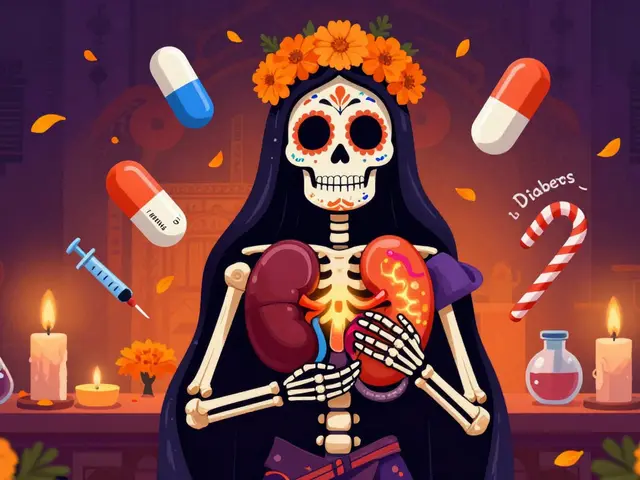
Cyclosporine and tacrolimus are essential for transplant patients but come with serious side effects like kidney damage, tremors, and diabetes. Learn how to manage them and what new options are emerging.
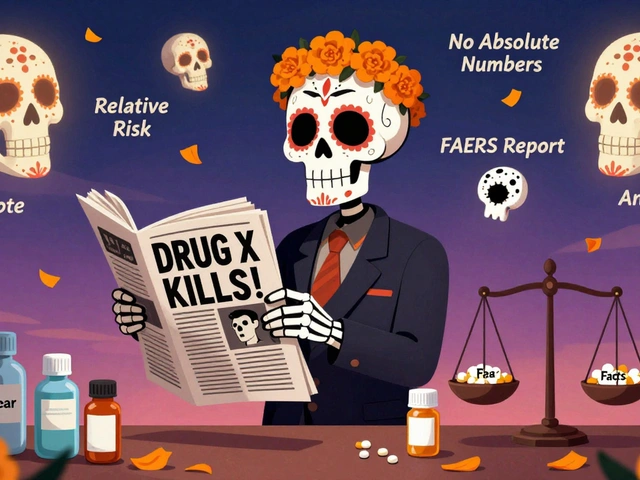
Learn how to spot misleading media reports about drug safety by checking study methods, understanding risk numbers, and verifying sources. Don't let sensational headlines scare you into stopping your medication.
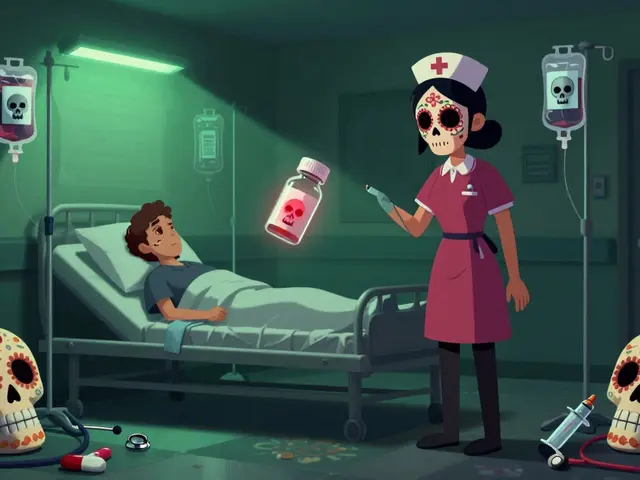
Night shifts increase medication errors by over 12% due to fatigue. Learn which medications worsen drowsiness, why naps aren't enough, and what real system changes can prevent deadly mistakes.

Cholinergic urticaria causes itchy heat-induced hives when your body warms up. Learn what triggers it, how to prevent flare-ups, and what treatments actually work based on current medical research.