
When you take a new medication, you trust it’s safe—but safety doesn’t end at approval. The FAERS database, the FDA’s system for collecting and analyzing reports of adverse drug reactions. Also known as FDA Adverse Event Reporting System, it’s the backbone of post-market drug safety in the U.S. Every time a doctor, patient, or pharmacist spots a strange reaction—like sudden liver damage after a new pill or unexplained seizures linked to a common antidepressant—they can report it here. These aren’t guesses or rumors. They’re real, documented events that help the FDA spot hidden dangers long after a drug hits shelves.
The FAERS database doesn’t just collect reports—it connects the dots. It links drugs to symptoms, identifies patterns across thousands of cases, and flags potential risks that clinical trials missed. For example, it helped uncover the heart risks tied to certain diabetes drugs and the link between some antibiotics and tendon rupture. These aren’t theoretical concerns. They’re based on real people’s experiences. The system also tracks how often these events happen, who’s most affected (like older adults or people on multiple meds), and whether certain brands or generics show different patterns. This is where adverse drug reactions, harmful or unintended effects caused by medications become data, and data becomes action. It’s not perfect—reports can be incomplete or biased—but it’s the best real-world window we have into how drugs behave outside controlled studies.
Behind every report in FAERS is a story: someone who got sick after taking a drug their doctor said was safe, a family who lost a loved one to an unexpected side effect, or a pharmacist who noticed a cluster of similar reactions in their pharmacy. These stories aren’t just noise—they’re signals. And they’re why the FDA drug monitoring, the ongoing process of evaluating drug safety after approval exists. It’s not about scaring you off meds. It’s about making sure the benefits still outweigh the risks, and that you know what to watch for. The posts below dive into real cases where drug safety data changed treatment choices—like how a rare reaction to a common painkiller led to new warnings, or how generic versions triggered unexpected side effects in sensitive patients. You’ll see how doctors and patients use this data to make smarter, safer decisions. Whether you’re managing a chronic condition, switching meds, or just wondering why your pill label changed, this is the system that’s watching out for you.
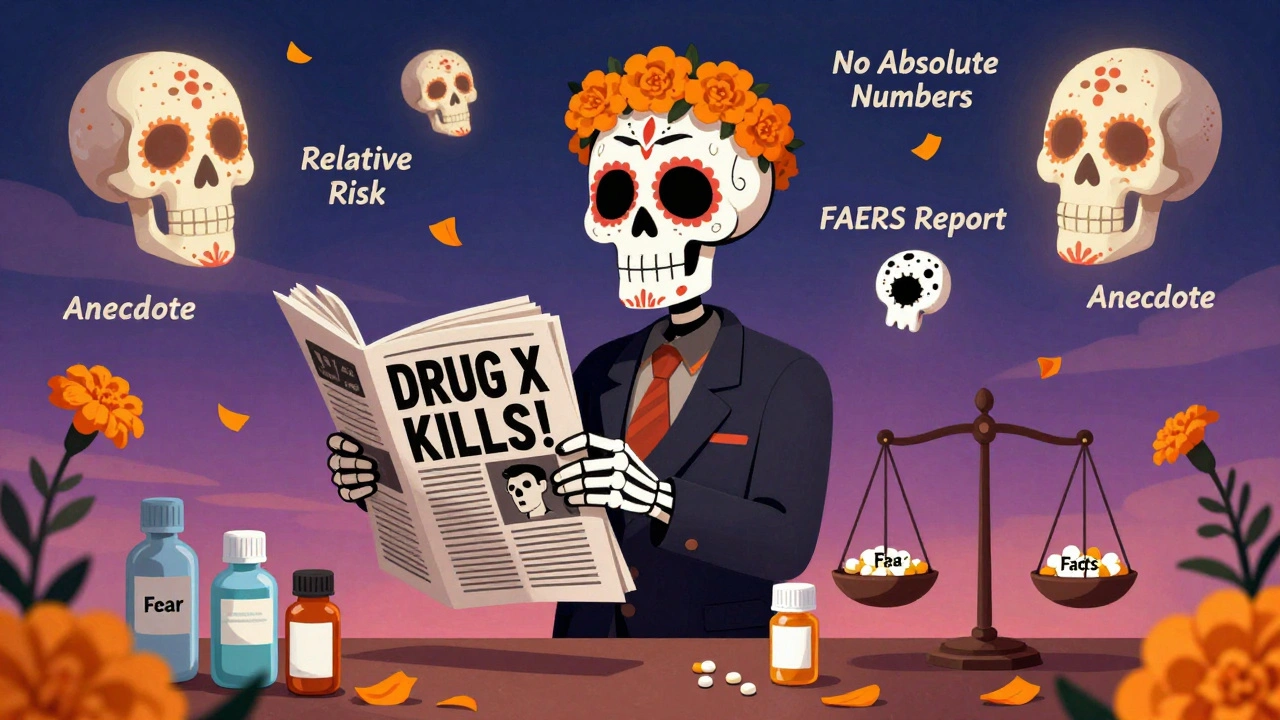
Learn how to spot misleading media reports about drug safety by checking study methods, understanding risk numbers, and verifying sources. Don't let sensational headlines scare you into stopping your medication.

In my latest blog post, I've tackled some common myths surrounding breathing disorders. I've busted several misconceptions like the belief that asthma is always outgrown in adulthood, or that sleep apnea only affects overweight individuals. By shedding light on these misconceptions, I hope to provide a clearer understanding of these conditions, and remind everyone that proper diagnosis and treatment are crucial. Breathing disorders are serious and shouldn't be taken lightly, and it's high time we separate fact from fiction. Stay tuned for more health myth-busting posts!

Discover a variety of alternatives to WebMD for reliable health information. From government-backed resources like MedlinePlus and the CDC to user-friendly sites like Verywell Health, these options offer comprehensive insights into diseases, conditions, and wellness topics. Each alternative is rated based on its reliability, user experience, and breadth of information, helping users find the right fit for their health inquiries.

Beta-blockers and calcium channel blockers can be safely combined for high blood pressure and angina - but only if the right type of calcium channel blocker is used. Verapamil and diltiazem pose serious heart risks when paired with beta-blockers.
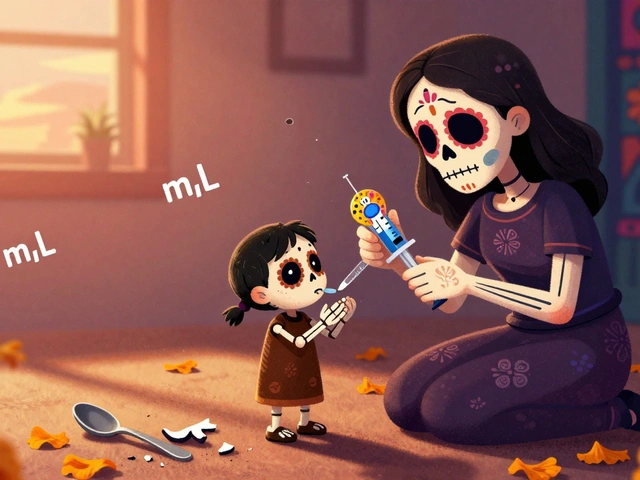
Using household spoons to dose children's medicine is dangerous and inaccurate. Learn why oral syringes and milliliter measurements are the only safe choice for kids' liquid medications.
Learn how to safely buy cheap generic bupropion online. Get tips on verifying pharmacies, comparing prices, ordering steps, and legal considerations for affordable, legit medication.