
When someone has epilepsy, a neurological disorder characterized by recurrent, unprovoked seizures. Also known as seizure disorder, it affects about 1 in 26 people in their lifetime, and it’s not just one thing—it’s a group of conditions with different causes, triggers, and responses to treatment. Seizures happen when there’s a sudden burst of abnormal electrical activity in the brain. Some people have seizures only occasionally; others have them daily. What they all share is the need for accurate diagnosis and the right plan to stay safe and in control.
There’s no single cause for epilepsy. It can start after a head injury, stroke, or brain infection. Sometimes it’s genetic. In many cases, doctors never find a clear reason. What matters most is what happens after diagnosis. The first line of treatment is usually antiepileptic drugs, medications designed to reduce or stop seizures by calming overactive brain cells. Not all drugs work for everyone, and side effects like drowsiness, dizziness, or mood changes can make finding the right one a trial-and-error process. That’s why knowing your options—like how newer drugs differ from older ones—is key.
Seizure triggers are real and personal. For some, it’s lack of sleep. For others, it’s flashing lights, stress, alcohol, or even certain foods. Keeping a simple log of when seizures happen—and what was going on right before—can reveal patterns doctors might miss. Beyond meds, lifestyle changes can make a huge difference. Regular sleep, avoiding alcohol, managing stress, and even specific diets like the ketogenic diet have helped people reduce seizures when drugs alone weren’t enough.
Not everyone with epilepsy needs lifelong medication. Some outgrow it. Others respond so well to treatment they can eventually stop. But stopping meds without medical guidance is dangerous. And while surgery or nerve stimulation devices like vagus nerve stimulators are options for hard-to-control cases, most people manage well with the right combination of drugs and habits.
What you’ll find here isn’t theory. It’s real advice from people who’ve lived with epilepsy, and the doctors who treat it. You’ll see how newer drugs compare to older ones, what side effects to watch for, how to talk to your pharmacist about drug interactions, and why some people find relief through diet or device-based therapy. There’s also practical info on what to do during a seizure, how to stay safe at home, and how to handle work or school with epilepsy. No fluff. No fear-mongering. Just clear, usable facts that help you take charge.

Partial onset seizures don't just affect the body-they deeply impact mental health, often leading to depression and anxiety. Learn how brain changes, medication side effects, and social stigma shape emotional well-being-and what actually helps.
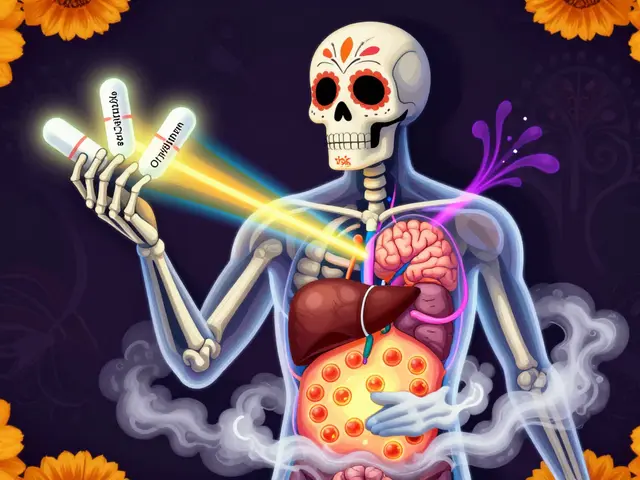
Next-generation GLP-1 agents like retatrutide and orforglipron offer unprecedented weight loss but come with persistent GI side effects and unknown long-term risks. Learn what's new, what's risky, and what you need to know before starting.

A detailed side‑by‑side look at Periactin (Cyproheptadine) versus other antihistamines, covering uses, dosing, side effects, and how to pick the best option for you.

A side‑by‑side comparison of Nasonex with top nasal sprays, covering efficacy, onset, cost, and best‑use scenarios to help you choose the right allergy spray.

Learn how to safely exercise while taking statins to prevent muscle pain and injury. Practical tips backed by science for staying active without risking side effects.

Neurontin (Gabapentin) is commonly used for epilepsy and nerve pain, but it’s not the only option out there. This article explores eight different alternatives available in 2025, weighing their benefits and downsides. Whether you’re seeking different epilepsy treatments or exploring options for bipolar disorder, this guide will help you navigate your choices. Each option is described with practical pros and cons to help you make an informed decision.