
When you hear empagliflozin, a type of SGLT-2 inhibitor used to lower blood sugar in adults with type 2 diabetes. Also known as Jardiance, it doesn’t just help with glucose—it’s one of the few diabetes drugs proven to reduce the risk of heart failure and kidney damage. That’s not just a side benefit. It’s why doctors now reach for it early, even before insulin, for patients with heart or kidney issues.
Empagliflozin works by telling your kidneys to dump excess sugar out through urine. That’s different from most diabetes pills that force your body to make more insulin or make cells more sensitive to it. Because it doesn’t rely on insulin, it’s less likely to cause low blood sugar when used alone. It also leads to modest weight loss—about 2 to 4 pounds on average—because you’re literally peeling off calories in the form of glucose. And unlike some other diabetes meds, it doesn’t cause swelling or fluid retention. In fact, it does the opposite: it helps your body get rid of extra salt and water, which is why it’s so useful for people with heart failure, a condition where the heart can’t pump blood effectively. Also known as congestive heart failure, this is where empagliflozin has changed the game. Clinical trials showed it cut hospital stays for heart failure by nearly a third, even in people without diabetes.
It’s not just for the heart. People with chronic kidney disease, a long-term condition where kidneys lose function over time. Also known as CKD, it affects over 1 in 7 adults in the U.S.—and empagliflozin slows its progress by reducing pressure in the kidney’s filtering units. That’s huge. Most kidney meds only manage symptoms. Empagliflozin actually helps preserve function. And because it’s taken as a daily pill, it’s easy to stick with. No shots. No complex schedules. Just one tablet a day, usually in the morning.
But it’s not perfect. You might notice more frequent urination, especially at first. Some people get yeast infections—mostly women—because sugar in urine creates a happy environment for fungi. Dehydration is rare but possible, especially if you’re sick, sweating a lot, or cutting back on fluids. That’s why your doctor will check your kidney function and blood pressure before and during treatment. And while it’s safe for most, it’s not for people with severe kidney disease or those on dialysis.
What you’ll find in the posts below are real-world stories and practical guides about using empagliflozin alongside other diabetes drugs like metformin, GLP-1 agonists, and insulin. You’ll see how it fits into daily life, how to handle side effects, and why some patients switch to it after trying other options. You’ll also find comparisons with other SGLT-2 inhibitors like dapagliflozin and canagliflozin, and how generics are making this life-changing drug more affordable than ever.

SGLT2 inhibitors like Jardiance and Farxiga lower blood sugar while protecting the heart and kidneys. Learn how they work, who benefits most, and what side effects to watch for.

If you're taking atazanavir for HIV, you have legal rights at work. Learn what accommodations you can request, how to ask for them, and how to protect yourself from discrimination-all without revealing your diagnosis.

This article delves deep into the world of Inderal (Propranolol), a prominent medication used to treat a variety of conditions, including high blood pressure, heart rhythm disorders, and anxiety. We explore the drug's medical significance, common dosages, potential side effects, and interactions with other medications. Discover useful tips on how to find the best deals for Inderal, ensuring you can manage your health effectively without breaking the bank.
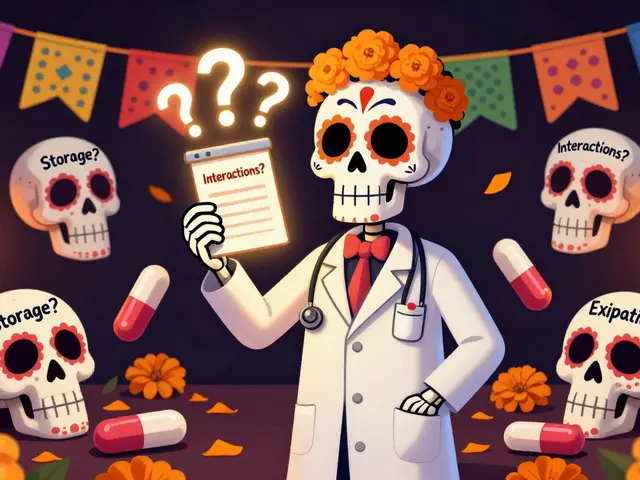
Learn the essential questions to ask at the pharmacy to avoid dangerous medication errors. Know what’s on your prescription label and how to verify it for safety.
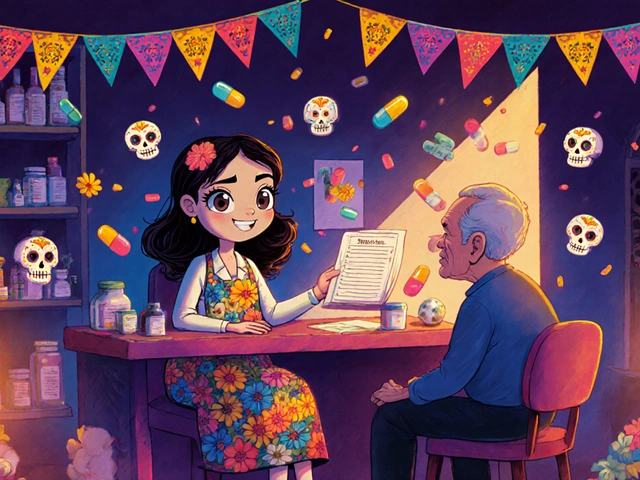
Learn how to use your pharmacy's consultation service to prevent dangerous drug interactions, save money, and improve medication adherence. A proven safety tool most patients don't know about.
A deep dive into imipramine's discovery, FDA approval, clinical impact, and why it still matters in modern psychiatry.