
When you pick a pill, you want to know if it actually does what it promises. That’s why we’ve gathered dozens of posts that test the real‑world effectiveness of everything from antibiotics to allergy meds.
Effectiveness isn’t just a number on a chart; it’s how well a drug solves your problem while you go about life. We look at clinical trial data, but we also dig into user reports, side‑effect profiles, and practical tips that make the medicine work for you.
First, check the symptom relief timeline. Does the article say you’ll notice improvement in days or weeks? Next, see if dosage adjustments are covered – many drugs need a tweak before they hit peak performance. Finally, read about common pitfalls like food interactions or timing issues that can sabotage effectiveness.
Our tag page pulls together posts on specific medicines. For example, the Lamisil guide explains how terbinafine fights nail fungus and what you can expect after two months of use. The Zyrtec article breaks down how quickly it calms allergy symptoms and why some people need a higher dose.
If you’re curious about natural options, check out the post on top natural anti‑inflammatories. It compares curcumin, boswellia, and omega‑3s against steroid pills, letting you see which alternative actually reduces swelling in real life.
Prescription meds get a deep dive too. The review of Pyridostigmine bromide looks at long‑term control of myasthenia gravis symptoms, highlighting what patients notice after six months versus the first few weeks.
We also cover drug‑specific effectiveness for niche conditions. Want to know if Losartan can lower eye pressure in glaucoma? Our article walks through recent studies and practical dosage notes.
Every post follows a simple format: what the drug does, how well it works, side effects you might see, and tips to boost results. That way you get a full picture without wading through medical jargon.
Looking for alternatives? The tag includes several “alternatives” lists – like 10 alternatives to Risperidone or 8 Neurontin alternatives. Those pieces compare effectiveness side‑by‑side so you can weigh pros and cons quickly.
When you read an article, ask yourself: does the author explain how they measured success? Do they include real patient experiences? If the answer is yes, you’re looking at a trustworthy effectiveness review.
Finally, keep in mind that individual results vary. Your health history, other meds, and lifestyle all shape how effective a drug will be for you. Use our guides as a starting point, then talk to your doctor about what fits your situation best.
Ready to find out which medicines actually deliver? Browse the list below and click on any title that matches your interest. You’ll get clear, practical advice that cuts through hype and tells you exactly how well each drug works in everyday life.

A clear look at Red Viagra - what it contains, how it claims to help, potential risks, and safer options for men seeking erectile support.

As a blogger who often experiences acute back pain, I was curious to find out if Methocarbamol could be an effective solution. After doing some research, I found that Methocarbamol is a muscle relaxant that can help relieve muscle spasms and pain from various musculoskeletal conditions. Some studies suggest that it may be effective in reducing acute back pain when used in combination with other pain relievers. However, the results are not entirely conclusive, and it's essential to consult with a healthcare professional before starting any new medication. Overall, Methocarbamol may be a helpful option for some individuals with acute back pain, but further research is needed to determine its true effectiveness.
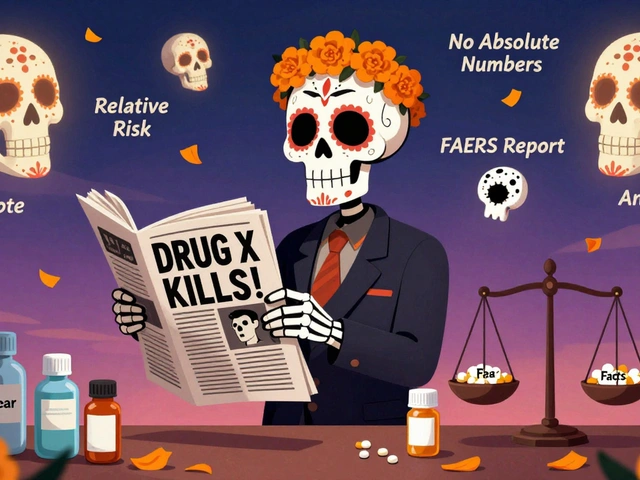
Learn how to spot misleading media reports about drug safety by checking study methods, understanding risk numbers, and verifying sources. Don't let sensational headlines scare you into stopping your medication.

Debunking common medication safety myths with facts backed by CDC, FDA, and pharmacy data to help patients avoid dangerous errors and take their meds safely.

Learn how to master medication adherence using everything from simple paper logs to advanced IoT pillboxes. Improve your health outcomes with accurate tracking.

If you're taking atazanavir for HIV, you have legal rights at work. Learn what accommodations you can request, how to ask for them, and how to protect yourself from discrimination-all without revealing your diagnosis.

Learn how to identify legitimate generic drugs at the pharmacy by checking labels, verifying pharmacies, spotting counterfeit signs, and using lot numbers to confirm safety. Save money without risking your health.