
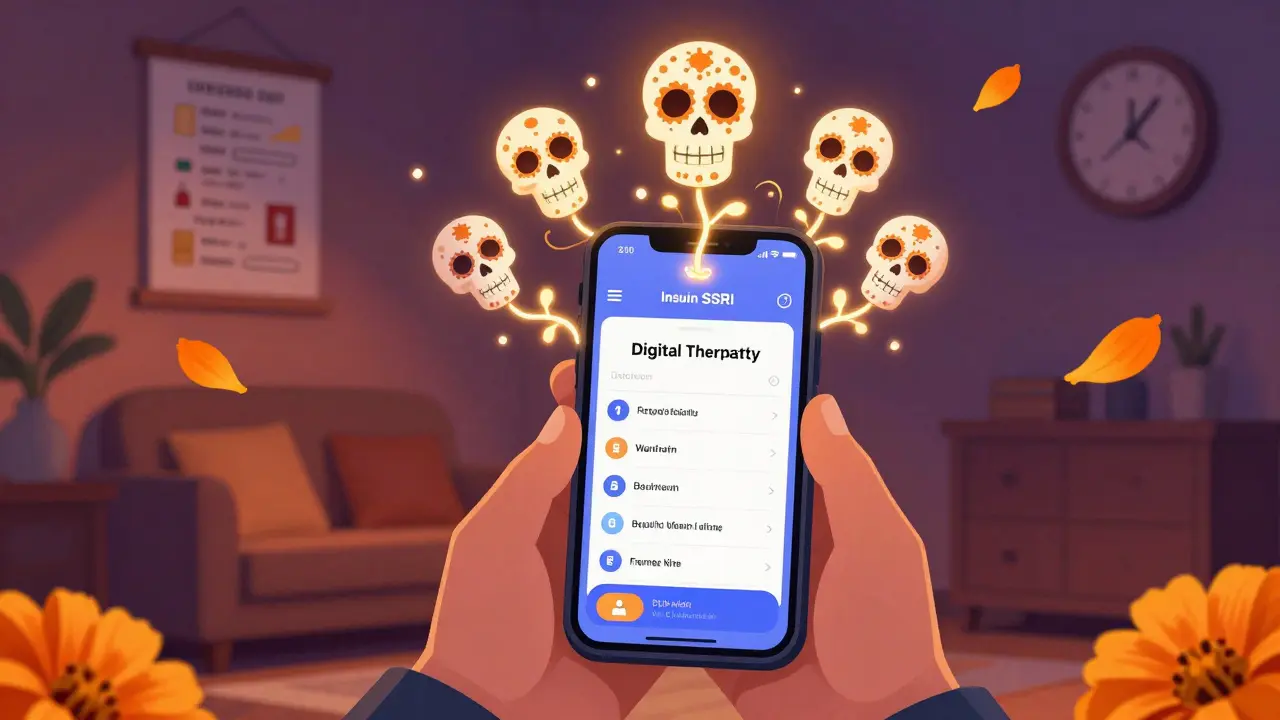
Digital therapeutics are FDA-cleared apps that help patients take medications correctly. In 2026, they're changing how chronic conditions are managed - but they also raise new questions about how software interacts with pills.

Otosclerosis is a common cause of hearing loss in adults under 50, caused by abnormal bone growth around the stapes. It leads to progressive conductive hearing loss, especially in low tones, but can be effectively treated with hearing aids or surgery.

Hello there! In today's post, we're discussing a vital topic, which is the role of Alfacalcidol in preventing Rickets in children. It's crucial for us, as parents, to understand what exactly Alfacalcidol is and how it plays an integral role in strengthening our children's health. I'll be providing information about this amazing form of Vitamin D and highlighting how its timely administration can contribute significantly towards the prevention of rickets. Stay tuned for an insightful read!

Thyroid storm is a rare but deadly complication of untreated hyperthyroidism, requiring urgent ICU care. Learn the signs, triggers, and life-saving treatments that can turn the tide in this endocrine emergency.
Debunking common medication safety myths with facts backed by CDC, FDA, and pharmacy data to help patients avoid dangerous errors and take their meds safely.

As a blogger, I recently delved into understanding the cost-effectiveness of abiraterone in prostate cancer treatment. What I've discovered is that abiraterone has shown promising results in improving the survival rate and quality of life for patients with advanced prostate cancer. However, the high cost of this treatment may limit its accessibility for many patients. It's crucial for healthcare systems and insurance providers to consider the balance between the benefits and costs of abiraterone to maximize its potential. Overall, I believe it's essential to continue researching more cost-effective alternatives while advocating for better financial support for those who need this life-saving treatment.