
When working with Diet and Nutrition for Hair Loss, the practice of using food choices and supplements to prevent or reduce hair thinning. Also known as hair loss diet, it helps restore follicle health by providing the building blocks needed for strong hair.
Understanding the role of diet, the overall pattern of food intake is the first step. A balanced diet supplies the calories, proteins, and micronutrients that hair follicles depend on daily. When you pair a solid nutrition, the process of absorbing and using those nutrients correctly, you give your scalp the environment it needs to grow. Research shows that low iron, zinc, or vitamin D levels often coincide with increased shedding, while adequate intake can slow the process. For example, a 2023 clinical review linked a daily intake of 1.2 g of protein per kilogram of body weight to a 15% reduction in hair loss among adults with mild thinning.
Protein is the hair’s main component; without enough, strands become brittle and fall out. Aim for lean meats, legumes, and dairy to hit the recommended 0.8–1.2 g/kg. Iron carries oxygen to the follicle; foods like spinach, lentils, and fortified cereals keep ferritin levels in the optimal range (30–150 ng/mL). Zinc works behind the scenes to regulate hormone balance, so pumpkin seeds and oysters are worth a weekly portion. Biotin, a B‑vitamin often marketed in hair‑loss supplements, supports keratin production; a daily 30 µg dose is usually enough if your diet already includes eggs and nuts. Omega‑3 fatty acids, found in salmon and flaxseed, reduce scalp inflammation, which can otherwise trigger shedding. Finally, vitamin D receptors are present in hair follicles, and a serum level above 30 ng/mL is linked to healthier growth cycles.
Putting these pieces together doesn’t require a radical overhaul. Start by adding a protein‑rich breakfast, swap processed snacks for a handful of nuts, and include a leafy‑green side at lunch. If you’re vegetarian or vegan, consider a fortified plant‑milk to cover vitamin D and B‑12 needs. For those who struggle to meet micronutrient goals, a qualified supplement containing iron, zinc, and biotin can fill gaps—but always check with a healthcare professional first. The articles below dive deeper into specific medications, supplement safety, and detailed comparisons, so you’ll have a clear roadmap from everyday meals to targeted treatments. Ready to see how food can become your first line of defense against hair loss? Keep reading for more actionable insights.

Learn how specific nutrients, foods, and diet patterns can help prevent hair loss, with practical meal plans, a nutrient checklist, and expert FAQs.

Hey folks! It's a roller coaster of a day when we're talking about leprosy elimination, isn't it? You might think it's all doctors and medicine, but surprise, surprise - it's also about us! Yep, our involvement in these efforts is like the secret sauce on a killer burger. Community efforts can aid in early detection, help reduce stigma, and even support those affected in their journey to recovery. So, let's roll up our sleeves and join the fight against leprosy, because together, we're more than just a force, we're a downright stampede!
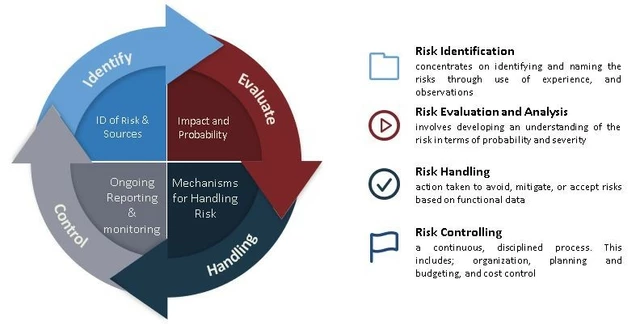
I recently delved into the side effects of gemfibrozil, a medication used to lower lipid levels in the body. Some common side effects include stomach pain, diarrhea, and headaches. While most of these are mild and temporary, it's important to consult with your doctor if they persist. In my research, I discovered that maintaining a healthy lifestyle and diet can help alleviate some of these side effects. I'll be sharing some tips on how to manage these side effects and maintain a balanced life while taking gemfibrozil.
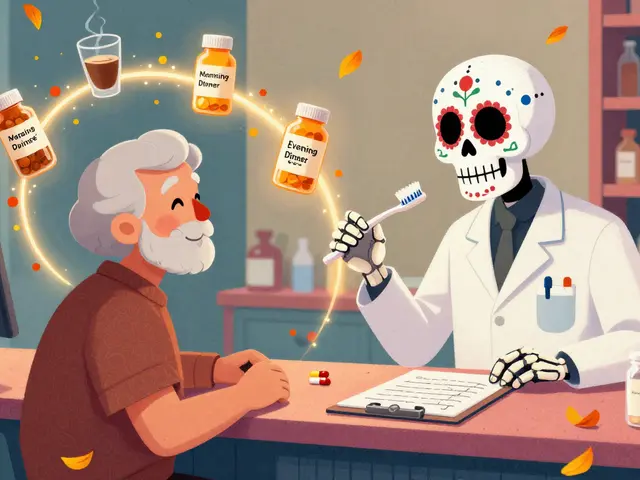
Learn how to build a personalized medication action plan with your care team to improve adherence, avoid side effects, and reduce hospital visits. A clear, simple plan makes managing multiple meds easier and safer.
Explore how lurasidone impacts cognition in schizophrenia and bipolar disorder, reviewing clinical trials, mechanisms, and practical guidance for clinicians.
Learn how switching to an authorized generic can improve medication safety and reduce side effects compared to regular generics - and how to make sure you get the right version at the right price.