
When working with Diet and Nutrition for Hair Loss, the practice of using food choices and supplements to prevent or reduce hair thinning. Also known as hair loss diet, it helps restore follicle health by providing the building blocks needed for strong hair.
Understanding the role of diet, the overall pattern of food intake is the first step. A balanced diet supplies the calories, proteins, and micronutrients that hair follicles depend on daily. When you pair a solid nutrition, the process of absorbing and using those nutrients correctly, you give your scalp the environment it needs to grow. Research shows that low iron, zinc, or vitamin D levels often coincide with increased shedding, while adequate intake can slow the process. For example, a 2023 clinical review linked a daily intake of 1.2 g of protein per kilogram of body weight to a 15% reduction in hair loss among adults with mild thinning.
Protein is the hair’s main component; without enough, strands become brittle and fall out. Aim for lean meats, legumes, and dairy to hit the recommended 0.8–1.2 g/kg. Iron carries oxygen to the follicle; foods like spinach, lentils, and fortified cereals keep ferritin levels in the optimal range (30–150 ng/mL). Zinc works behind the scenes to regulate hormone balance, so pumpkin seeds and oysters are worth a weekly portion. Biotin, a B‑vitamin often marketed in hair‑loss supplements, supports keratin production; a daily 30 µg dose is usually enough if your diet already includes eggs and nuts. Omega‑3 fatty acids, found in salmon and flaxseed, reduce scalp inflammation, which can otherwise trigger shedding. Finally, vitamin D receptors are present in hair follicles, and a serum level above 30 ng/mL is linked to healthier growth cycles.
Putting these pieces together doesn’t require a radical overhaul. Start by adding a protein‑rich breakfast, swap processed snacks for a handful of nuts, and include a leafy‑green side at lunch. If you’re vegetarian or vegan, consider a fortified plant‑milk to cover vitamin D and B‑12 needs. For those who struggle to meet micronutrient goals, a qualified supplement containing iron, zinc, and biotin can fill gaps—but always check with a healthcare professional first. The articles below dive deeper into specific medications, supplement safety, and detailed comparisons, so you’ll have a clear roadmap from everyday meals to targeted treatments. Ready to see how food can become your first line of defense against hair loss? Keep reading for more actionable insights.

Learn how specific nutrients, foods, and diet patterns can help prevent hair loss, with practical meal plans, a nutrient checklist, and expert FAQs.

Whistleblower protections shield manufacturing workers who report safety defects, from toys to medical devices. Learn which laws apply, deadlines to meet, and how to avoid retaliation.

Choosing between liquid and tablet medications for children isn't just about age-it's about safety, taste, accuracy, and cost. Discover why tablets are often the better choice-and how to help your child swallow them easily.
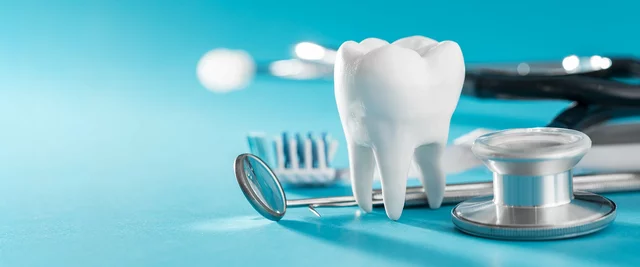
As a dental health enthusiast, I recently learned about the fascinating connection between calcium acetate and dental health. Calcium acetate, a compound found in some dental products, helps to combat tooth decay and promote healthy gums. It works by neutralizing the acids in our mouth, which are responsible for breaking down tooth enamel. Additionally, calcium acetate aids in remineralizing our teeth, making them stronger and more resistant to cavities. Incorporating dental products containing calcium acetate into our oral hygiene routine can significantly improve our overall dental health.
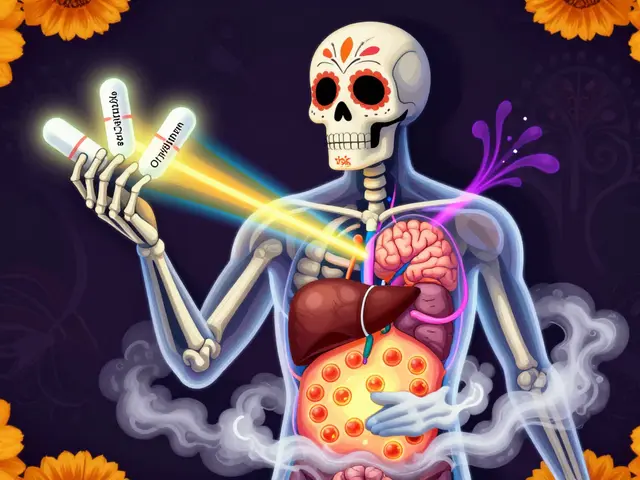
Next-generation GLP-1 agents like retatrutide and orforglipron offer unprecedented weight loss but come with persistent GI side effects and unknown long-term risks. Learn what's new, what's risky, and what you need to know before starting.
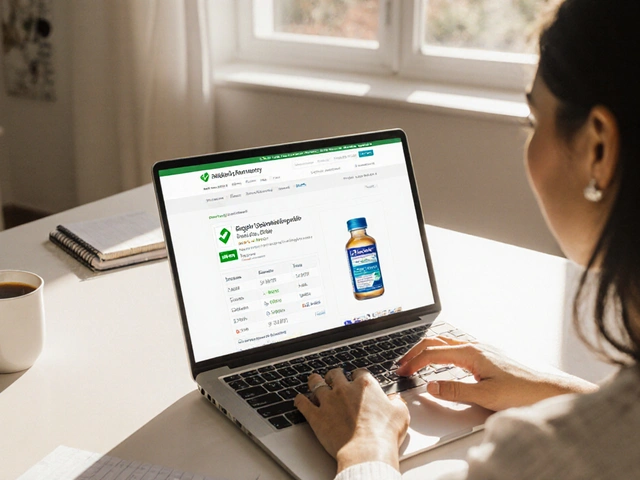
Learn where to find trusted online pharmacies, compare prices, verify legitimacy, and safely purchase cheap generic clindamycin with step‑by‑step guidance.