
When you use a continuous subcutaneous insulin infusion, a system that delivers insulin through a small pump worn on the body, replacing multiple daily injections. Also known as insulin pump therapy, it gives tighter blood sugar control—but only if used safely. For people with type 1 diabetes or advanced type 2, CSII can be life-changing. But safety isn’t automatic. It depends on how you set it up, monitor it, and respond when things go wrong.
CSII safety isn’t just about the device. It’s about the person using it, the training they’ve had, and the support they get. One common risk? insulin pump safety, the overall system of preventing malfunctions, disconnections, and dosing errors. A detached cannula or blocked tubing can stop insulin delivery. Without quick detection, blood sugar can spike dangerously fast—sometimes within hours. That’s why checking your pump every few hours, knowing the signs of high blood sugar, and having a backup plan aren’t optional. They’re survival tools. Another hidden risk is insulin pump complications, including infections at the insertion site, lipohypertrophy from repeated use in the same area, or allergic reactions to adhesive materials. These aren’t rare. Studies show up to 30% of pump users report skin issues over time. Rotating sites, cleaning the area properly, and replacing catheters every 2–3 days can cut that risk in half.
CSII safety also means understanding how your body reacts to rapid insulin changes. Unlike injections, pumps deliver insulin continuously, which can make low blood sugar come on faster and harder. That’s why many users pair their pump with a continuous glucose monitor (CGM). Together, they create a safety net. But even with tech, human habits matter. Did you forget to bolus for a meal? Did you change your insulin type without adjusting your settings? Did you skip a pump check after exercise? These small choices add up. The best pump users aren’t the ones with the fanciest device—they’re the ones who stay consistent, ask questions, and never ignore warning signs.
What you’ll find in the posts below aren’t marketing brochures or generic advice. They’re real stories from people managing diabetes with pumps, clinicians who’ve seen what goes wrong, and experts who’ve studied the data. You’ll learn how to spot a failing pump before it becomes an emergency, how to talk to your doctor about pump settings, and what to do when your CGM alarms at 3 a.m. This isn’t theory. It’s what keeps people alive—and out of the ER.

Learn how to set up and safely use an insulin pump for diabetes management. Understand basal rates, bolus types, site care, and real-world safety tips to avoid dangerous complications.

Many gastrointestinal medications fail to work because of how the gut absorbs (or blocks) drugs. Learn why food, disease, and formulation affect effectiveness-and what you can do about it.
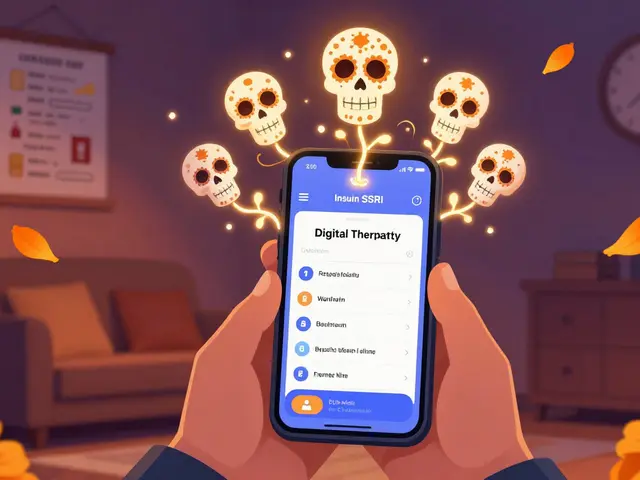
Digital therapeutics are FDA-cleared apps that help patients take medications correctly. In 2026, they're changing how chronic conditions are managed - but they also raise new questions about how software interacts with pills.

As a blogger, I've recently researched enteric infections and I'd like to share my findings with you all. Enteric infections are caused by consuming contaminated food or water, and can lead to symptoms such as diarrhea, vomiting, and abdominal pain. They are often caused by viruses, bacteria, or parasites, with some common examples being E. coli and Salmonella. To prevent these infections, it is important to practice good hygiene, regularly wash our hands, and be cautious with the food and water we consume. Remember, prevention is better than cure, so let's stay vigilant and keep ourselves and our loved ones safe from these infections.

Actinic keratoses are precancerous skin patches caused by sun damage. Learn how field treatments like topical creams and photodynamic therapy can prevent them from turning into skin cancer.

MAFLD is the most common liver disease worldwide-but it’s reversible. Learn how diet, exercise, and weight loss can heal your liver, what treatments actually work, and why most people don’t know they have it.