
When one drug isn’t enough, doctors turn to combination therapy, the use of two or more medications together to treat a condition more effectively than any single drug alone. Also known as multi-drug treatment, it’s not just about adding more pills—it’s about making each one work better by targeting different parts of a disease. This approach isn’t new, but it’s becoming smarter. For example, in combination therapy for Parkinson’s, drugs like carbidopa and levodopa are paired to help the brain use dopamine more efficiently. In HIV, multiple antivirals stop the virus from mutating and resisting treatment. And in mental health, adding an antidepressant to an antipsychotic can ease symptoms that neither drug could control alone.
Why does this work? Because diseases like cancer, diabetes, and chronic pain don’t follow a single path. They adapt. That’s why drug interactions, how medicines affect each other in the body matter so much. Some combinations boost results—like using an ACE inhibitor with a diuretic for high blood pressure. Others are dangerous—like mixing alcohol with opioids or benzodiazepines. Even treatment resistance, when a drug stops working because the body adapts can be beaten by adding a second agent. Albendazole resistance in parasites? Add another antiparasitic. Diabetes not responding to one oral drug? Add a DPP-4 inhibitor like linagliptin. The goal isn’t to overwhelm the body—it’s to outsmart the disease.
Combination therapy isn’t just for serious illnesses. It’s used in everyday care too. For skin conditions like actinic keratoses, topical creams are paired with light therapy. For chronic pain in pets, amantadine is added to NSAIDs because it works on nerve signals, not just inflammation. Even in gout, avoiding alcohol while taking allopurinol isn’t just advice—it’s part of a drug-lifestyle combo that keeps uric acid low. The real power of this approach is personalization. One person’s perfect mix might be totally wrong for another. That’s why knowing your meds, their side effects, and how they interact isn’t optional—it’s essential.
What you’ll find below are real-world examples of how combination therapy saves lives, cuts costs, and improves daily function. From Parkinson’s to schizophrenia, from antifungals to diabetes, these posts break down exactly which drugs are paired, why they’re paired, and what to watch out for. No theory. No fluff. Just what works—and what doesn’t.

Beta-blockers and calcium channel blockers can be safely combined for high blood pressure and angina - but only if the right type of calcium channel blocker is used. Verapamil and diltiazem pose serious heart risks when paired with beta-blockers.

Learn how to safely buy cheap generic Cymbalta online in Canada. Get price comparisons, safety tips, ordering steps, and a FAQ to avoid scams.

This article delves deep into the world of Inderal (Propranolol), a prominent medication used to treat a variety of conditions, including high blood pressure, heart rhythm disorders, and anxiety. We explore the drug's medical significance, common dosages, potential side effects, and interactions with other medications. Discover useful tips on how to find the best deals for Inderal, ensuring you can manage your health effectively without breaking the bank.
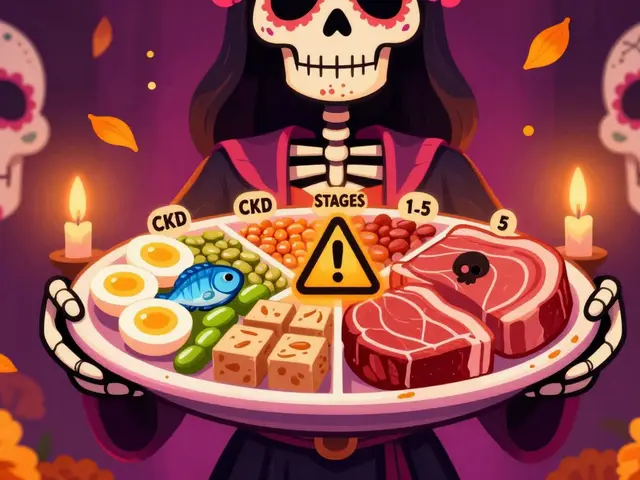
Learn the correct protein targets for each stage of chronic kidney disease, how plant vs. animal protein affects kidney health, and practical ways to follow a kidney-friendly diet without losing muscle or quality of life.
Learn how to choose diabetes medications based on side effect profiles to improve adherence, avoid dangerous reactions, and match treatment to your health goals-without sacrificing blood sugar control.
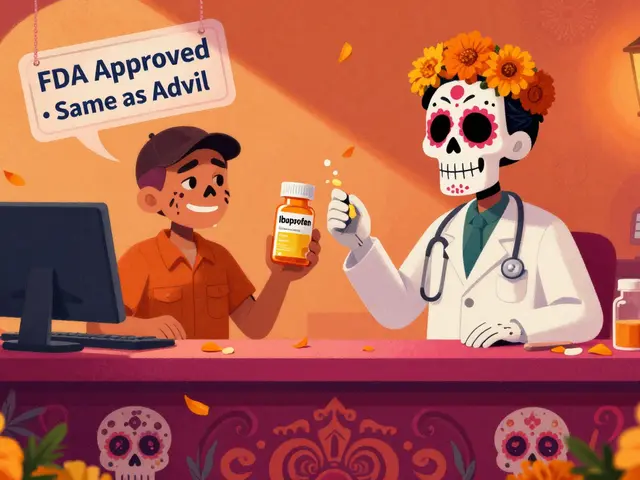
Generic substitution in workers' compensation saves billions by replacing brand-name drugs with equally effective generics. Learn how it works, when it’s required, and what injured workers should know.