
When it comes to children's medicine dosing, the precise amount of medication given to a child based on age, weight, and condition. Also known as pediatric dosing, it's not just a smaller version of an adult dose—it's a science with real consequences. A wrong dose can mean the difference between healing and harm. Many parents think "more is better" or "it’s just a little extra," but even small errors with common drugs like acetaminophen or ibuprofen can lead to liver damage, breathing problems, or hospital visits.
Weight-based dosing, calculating medication amounts using a child’s exact weight in kilograms. Also known as mg/kg dosing, it’s the gold standard for safety. That’s why pediatricians ask for your child’s weight every time they prescribe something. It’s not just paperwork—it’s the key to avoiding overdoses. For example, a 15-pound baby needs a completely different amount than a 40-pound toddler, even if they’re both 2 years old. Using a teaspoon from your kitchen? That’s risky. Not all teaspoons are the same. A proper dosing syringe or cup labeled in milliliters (mL) is the only reliable tool.
Liquid medicine for kids, the most common form of medication given to children due to swallowing difficulties. Also known as oral suspensions, these come in flavors like cherry or grape to make them easier to take. But here’s the catch: concentration matters. Two different brands of children’s acetaminophen might both say "160 mg per 5 mL," but another might be "80 mg per 5 mL." Mixing them up by accident is a leading cause of accidental overdose. Always check the label. Write down the concentration on the bottle if it’s hard to read. And never give adult medicine to a child—even if you think it’s "just a little bit." The inactive ingredients, like dyes or preservatives, can trigger reactions in kids that adults handle just fine.
Parents often rely on old prescriptions or advice from friends. But what worked for your older child might not be safe for your younger one. Kids change fast. A dose that was right last month might be too much now. Always check with your pharmacist or doctor before giving any new medicine—even if it’s over-the-counter. And don’t forget: cough syrups, cold meds, and allergy pills often contain the same active ingredients. Giving two at once can accidentally double the dose. That’s why the American Academy of Pediatrics says to avoid multi-symptom cold medicines for kids under six.
What you’ll find in the articles below isn’t just theory. It’s what real parents and doctors have learned the hard way. You’ll see how one wrong dose led to an ER visit, how a simple switch to a weight-based calculator saved a child from liver damage, and why some generic versions of children’s meds can be safer than others. No fluff. No marketing. Just the facts you need to keep your child safe.
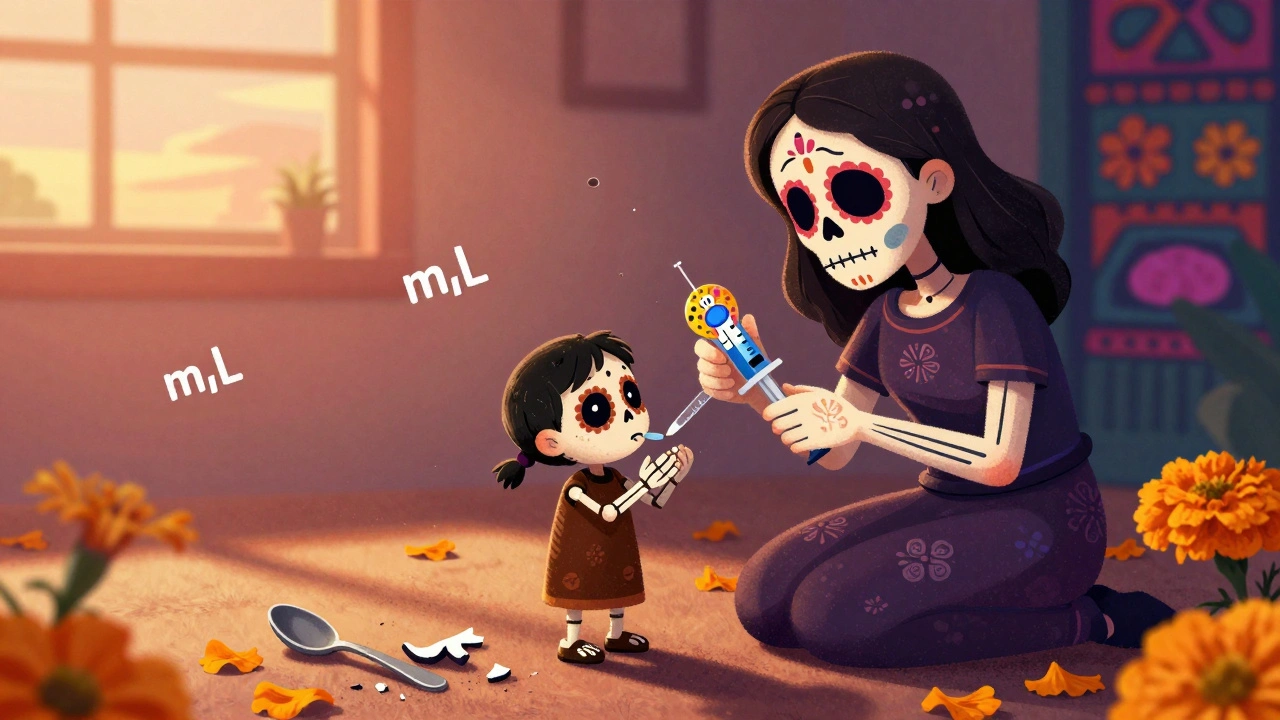
Using household spoons to dose children's medicine is dangerous and inaccurate. Learn why oral syringes and milliliter measurements are the only safe choice for kids' liquid medications.
Statins are safe and beneficial for people with liver disease, reducing heart attack risk and improving liver outcomes. Learn why doctors should prescribe them-and why patients need to ask.

Cuba's healthcare system is amidst a critical shortage of essential medicines, pushing citizens towards the black market. This crisis highlights the struggle of families like Lili's, the irony of empty pharmacies yet abundant private vendors, and the government's efforts to address the complex issue.

When a child swallows the wrong medication, immediate action is critical. Call Poison Control at 800-222-1222 first. Avoid inducing vomiting. Know life-threatening symptoms requiring 911. Prevent future incidents with locked storage and smart pill bottles.

Learn safe ways to purchase cheap generic Singulair online, compare prices, verify pharmacies, and save on your asthma medication.

OTC sleep aids like diphenhydramine and melatonin offer minimal sleep benefits but carry serious risks including dementia, falls, and rebound insomnia. Learn safe limits and better alternatives.