
When you hear biologic therapy, a type of treatment made from living organisms that targets specific parts of the immune system. Also known as biologics, it doesn’t work like regular pills or injections that affect your whole body. Instead, it zeroes in on the exact cells or proteins driving inflammation — making it powerful, but also more complex. Unlike traditional drugs that are chemically synthesized, biologics are grown in labs using cells from animals or humans. That’s why they’re often more expensive and require injections or infusions instead of pills.
Biologic therapy is most commonly used for autoimmune diseases, conditions where the immune system mistakenly attacks healthy tissue like rheumatoid arthritis, psoriasis, Crohn’s disease, and multiple sclerosis. It’s also used in some cancers and severe asthma. These treatments don’t cure the disease, but they can stop it from getting worse — and sometimes even reverse damage. For many people, they’re the only option that brings real relief when other drugs fail.
But biologics aren’t for everyone. Because they suppress specific immune responses, they can increase your risk of infections like tuberculosis or fungal infections. Some people develop rashes, fatigue, or even rare nerve problems. That’s why doctors check for latent infections before starting treatment and monitor you closely. They also don’t work the same for everyone — what helps one person might do nothing for another. That’s why matching the right biologic to your specific condition and body is key.
There’s also a growing group of biosimilars, copies of biologic drugs that are highly similar but not identical — and they’re changing the game. These aren’t generics, but they’re much cheaper than the original biologics. Many insurance plans now push for biosimilars first because they save money without sacrificing effectiveness. If your doctor suggests switching, it’s not because your current treatment failed — it’s because there’s a smarter, more affordable option now.
What you’ll find in the posts below isn’t just a list of drug names. It’s real talk about how biologic therapy fits into daily life — from managing side effects to understanding why some people respond better than others. You’ll see how it connects to other treatments like immunosuppressants, medications that broadly calm the immune system, and how newer targeted therapies are making older drugs less necessary. You’ll also find practical advice on navigating costs, avoiding dangerous interactions, and spotting red flags when something doesn’t feel right.
There’s no one-size-fits-all here. Biologic therapy is personal. And the information below is built to help you make sense of it — whether you’re just starting out or have been on it for years.

Hidradenitis suppurativa causes painful, recurring nodules that can lead to scarring and chronic pain. Biologic therapies like adalimumab, secukinumab, and bimekizumab now offer real relief by targeting inflammation at its source-changing the lives of thousands.

Curious about mixing spironolactone and alcohol in 2024? This article breaks down new clinical research on hormone levels and liver effects when the two are combined. Packed with facts, stats, and relatable situations, you'll find smart tips and an honest look at what doctors and studies really say. Readers will understand potential risks, latest findings, and safer habits for daily life—all in plain language.
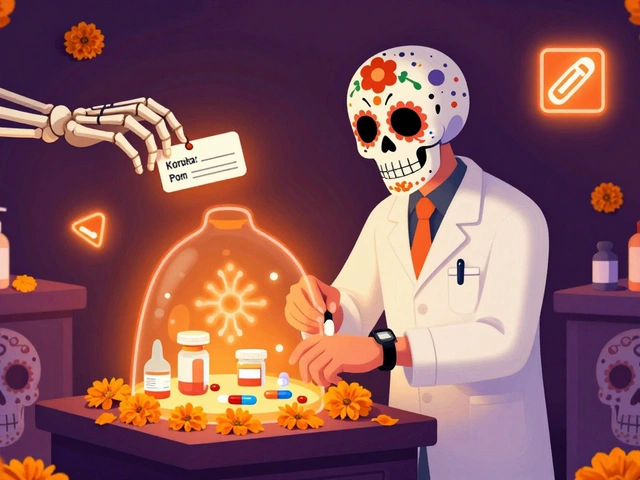
Using two patient identifiers in the pharmacy prevents deadly medication errors by ensuring the right person gets the right drug. Learn how barcode systems, documentation, and disciplined verification save lives.

As a blogger, I've recently researched enteric infections and I'd like to share my findings with you all. Enteric infections are caused by consuming contaminated food or water, and can lead to symptoms such as diarrhea, vomiting, and abdominal pain. They are often caused by viruses, bacteria, or parasites, with some common examples being E. coli and Salmonella. To prevent these infections, it is important to practice good hygiene, regularly wash our hands, and be cautious with the food and water we consume. Remember, prevention is better than cure, so let's stay vigilant and keep ourselves and our loved ones safe from these infections.

Tinnitus affects 1 in 5 people and is often linked to hearing loss. Learn the real causes, what actually helps - from hearing aids to CBT - and what to avoid. No magic cures, just science-backed strategies.

Abdominal distension can turn a great day into a disaster, but probiotics might just be the underrated tool your gut needs. This article dives into how probiotics can actually help reduce bloating and swelling by changing your gut’s bacterial landscape. I'll explore specific strains, explain what real evidence says, and unpack simple habits to keep your digestion happy. You'll learn who benefits most, what mistakes to avoid, and how small changes can add up. Get ready for tips straight from the science to your everyday life.