
When you hear authorized generics, brand-name drugs sold under a generic label by the original manufacturer. Also known as brand-name generics, they’re identical in active ingredients, strength, and performance to the brand version—but often cost much less. Unlike regular generics, which are made by different companies after the brand patent expires, authorized generics come straight from the same factory, same formula, same quality control. That means no surprises in how they work—or how your body reacts to them.
Many people assume all generics are the same. But that’s not true. Regular generics can have different inactive ingredients—fillers, dyes, coatings—that sometimes cause side effects in sensitive people. That’s why some patients report feeling different when switching between generic brands. With authorized generics, the exact same formula as the brand, produced by the brand’s own facility, those differences vanish. You get the same pill, just without the brand name markup. It’s like buying store-brand soda that’s made in the same plant as Coca-Cola—same taste, same ingredients, lower price.
Authorized generics also help when you’re switching from one drug to another. If your insurance forces you off a brand-name drug, you might end up with a regular generic that doesn’t work as well—or causes new side effects. But if an authorized generic, a version of the brand drug made by the original manufacturer is available, you can often stay on the same exact medication, just at a lower cost. This is especially important for conditions like epilepsy, thyroid disorders, or mental health treatments, where tiny changes in absorption can make a big difference.
It’s not always easy to find authorized generics. Pharmacies don’t always stock them, and your doctor might not know they exist. But if you’re paying a lot for a brand-name drug, ask your pharmacist: "Is there an authorized generic for this?" You’d be surprised how often the answer is yes. And if your insurance won’t cover it, you can often pay cash and still save 30% to 60% compared to the brand.
What makes authorized generics different from regular generics isn’t just who makes them—it’s how they’re regulated. The FDA treats them the same as brand-name drugs because they’re literally the same product. That’s why they’re often recommended for patients who’ve had trouble with other generics. If you’ve ever switched to a generic and felt off, it might not be your body—it might be the filler.
You’ll also find that authorized generics show up in posts about drug pricing, patient transitions, and medication safety. People who’ve switched to them report fewer side effects, better adherence, and more confidence in their treatment. That’s because they’re not guessing whether the pill in their hand is the same one they used to take. It’s the same pill—just cheaper.
There’s no reason to overpay for a brand-name drug if an authorized generic exists. You’re not giving up quality—you’re just cutting out the marketing, packaging, and brand-name profit. And if you’re managing a chronic condition like diabetes, high blood pressure, or depression, that savings adds up fast over months and years.
Below, you’ll find real stories and practical guides from people who’ve made the switch—from understanding how to ask for an authorized generic at the pharmacy, to spotting the difference between it and a regular generic, to knowing when it’s the smartest move for your health and wallet.

Authorized generics are identical to brand-name drugs but cost less because they skip marketing costs and trigger immediate price competition. Learn how they work, why they’re cheaper, and how to get them.

Learn all about Prometrium, its uses, benefits, side effects, and practical tips for real-life hormone therapy. Everything you need in one place.
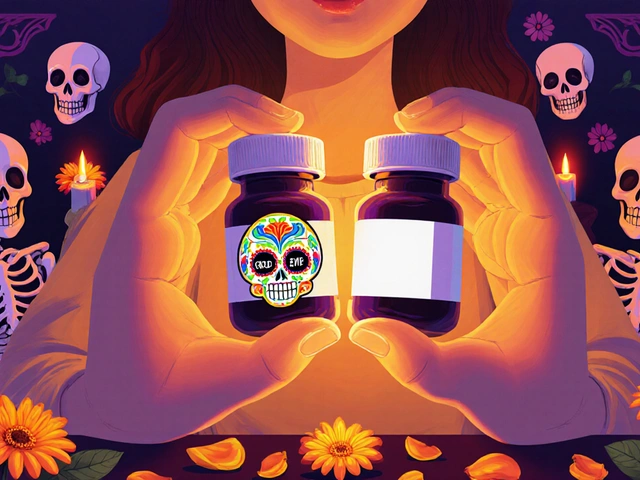
Learn how switching to an authorized generic can improve medication safety and reduce side effects compared to regular generics - and how to make sure you get the right version at the right price.

Abdominal distension can turn a great day into a disaster, but probiotics might just be the underrated tool your gut needs. This article dives into how probiotics can actually help reduce bloating and swelling by changing your gut’s bacterial landscape. I'll explore specific strains, explain what real evidence says, and unpack simple habits to keep your digestion happy. You'll learn who benefits most, what mistakes to avoid, and how small changes can add up. Get ready for tips straight from the science to your everyday life.

In my latest blog post, I dive into the underrated world of sodium as a dietary supplement. Surprisingly, despite its negative reputation, our bodies need sodium for a variety of critical functions such as maintaining fluid balance, nerve transmission, and muscle contractions. However, it's all about balance and moderation. Overconsumption can cause health issues, but adequate amounts can be beneficial. Check out the post to learn more about why sodium might be the supplement you need to try today.

Exploring the realm of erectile dysfunction treatments, this article sheds light on five notable alternatives to Cialis. Through a detailed analysis of Sildenafil, Stendra, Levitra, Alprostadil, and generic Tadalafil, readers can learn about their distinct features, benefits, and drawbacks. This information aids individuals in making informed choices regarding which treatment might best suit their needs for effective and satisfactory results.