
When you feel your heart race, your thoughts spiral, or you can’t shake a sense of dread—even when nothing’s wrong—that’s not just stress. It could be an anxiety disorder, a group of mental health conditions marked by excessive fear, worry, or avoidance that interferes with daily life. Also known as anxiety conditions, these aren’t just "being nervous." They’re real, measurable, and treatable.
There are different kinds: panic attacks that come out of nowhere, constant worry about everyday things, fear of social situations, or being stuck in a loop of obsessive thoughts and compulsive actions. These aren’t choices. They’re brain-based conditions, often linked to how neurotransmitters like serotonin and GABA function. That’s why antidepressants, medications that help balance brain chemicals, especially SSRIs like sertraline or escitalopram are first-line treatments. They don’t make you "happy," but they take the edge off so you can start healing. Some people also use benzodiazepines, fast-acting sedatives like alprazolam or clonazepam that calm the nervous system short-term, but these carry risks of dependence and aren’t meant for long-term use.
Medication alone rarely fixes everything. The most effective approach combines drugs with cognitive behavioral therapy, a structured talk therapy that teaches you to recognize and change thought patterns that fuel anxiety. It’s not about "thinking positive." It’s about learning to question the lies your brain tells you during panic or dread. Many people find relief through this combo—sometimes even reduce or stop meds over time.
You’ll find posts here that dig into real-world details: how certain drugs interact with alcohol, what side effects actually matter, why some generic meds trigger reactions in sensitive people, and how alternatives compare when the first option doesn’t work. There’s no magic pill, but there are clear paths forward. What works for one person might not work for another—and that’s okay. The goal isn’t perfection. It’s getting back to living without being held hostage by fear.
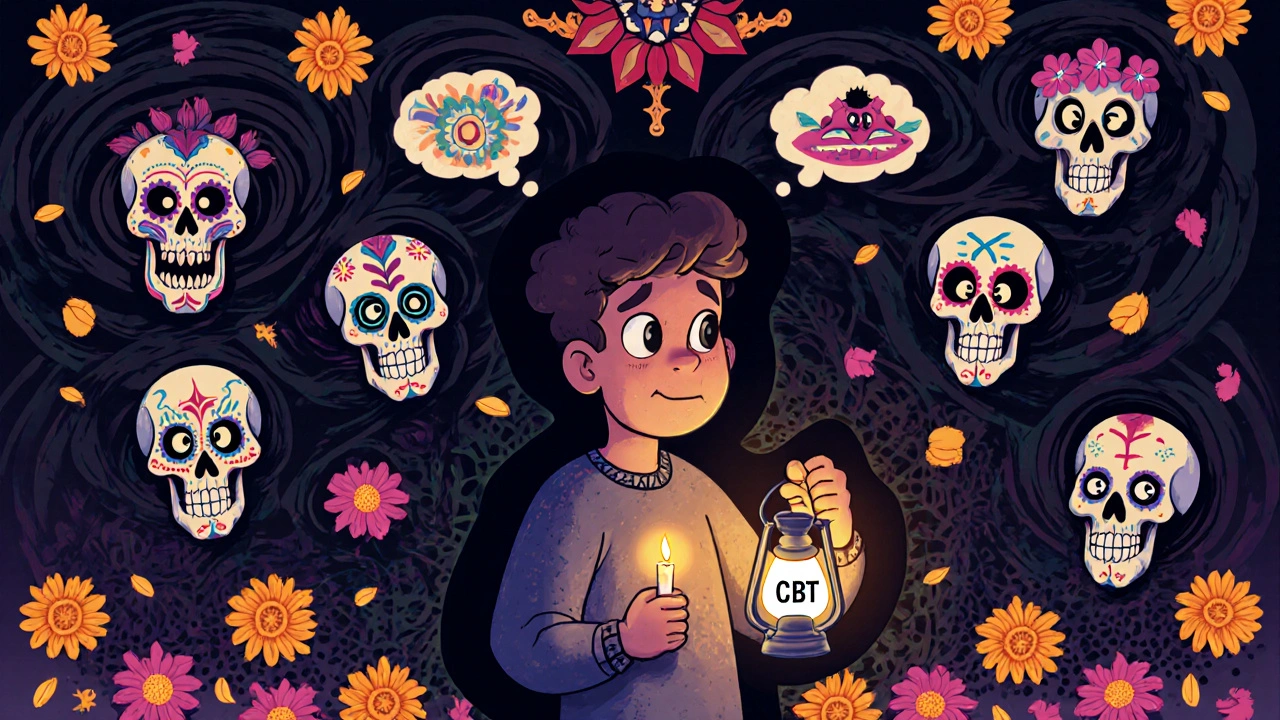
Anxiety disorders affect nearly 1 in 5 adults and include types like GAD, panic disorder, and social anxiety. Evidence-based treatments like CBT and SSRIs are highly effective, with new options like digital apps and zuranolone emerging in 2023.

A side‑by‑side comparison of Nasonex with top nasal sprays, covering efficacy, onset, cost, and best‑use scenarios to help you choose the right allergy spray.

As a blogger, I've recently come across the topic of the role of Clozapine in the management of psychotic depression. Clozapine, an atypical antipsychotic medication, is used to treat severe cases of this mental health disorder when other treatments have failed. Its unique properties help in alleviating both psychotic symptoms and depressive episodes. However, it's essential to be aware of the potential side effects and monitor blood levels closely while administering this medication. In conclusion, Clozapine plays a crucial role in managing psychotic depression, improving the quality of life for those who suffer from this challenging condition.

Hi there, it's your friendly family doctor, here to let you in on some fantastic coupon codes for our online drug store, familydoctor.org. This is a golden opportunity to grab those everyday essential medications and vital prescriptions, without breaking your bank. Don't miss out on these tempting deals that intend to make healthcare easier on your pocket. So, why delay? Come, uncover these discount codes and take a healthy step towards savings!

A detailed side‑by‑side comparison of Zenegra (sildenafil) with Viagra, Cialis, Levitra, Stendra and generic options, covering onset, duration, cost, safety and best‑use scenarios.
Licorice root can make blood pressure medications less effective by raising sodium, lowering potassium, and increasing fluid retention. Even small amounts over time can lead to dangerous spikes in blood pressure. Know what to avoid and how to stay safe.