
When one antipsychotic isn't enough, some doctors turn to antipsychotic combinations, the use of two or more antipsychotic drugs together to manage severe psychiatric symptoms. Also known as polypharmacy in psychiatry, this strategy isn't common—it's usually reserved for cases where standard treatments have failed or symptoms remain too intense.
These combinations often involve pairing an atypical antipsychotic, a newer class of antipsychotic drugs with fewer movement-related side effects than older ones like risperidone or aripiprazole with another, such as clozapine. Why? Because each drug targets different brain pathways. One might help with hallucinations, while another improves emotional flatness or lack of motivation. But this isn’t a free-for-all. The FDA hasn’t approved most combinations, and studies show mixed results. Some patients benefit, but others face worse side effects—weight gain, drowsiness, or even heart rhythm issues.
It’s not just about which drugs you mix. Timing matters. Some doctors start with one drug, wait weeks to see if it works, then add a second. Others try combining from the start in urgent cases. The goal isn’t to stack drugs blindly—it’s to find the smallest effective dose that brings relief without overwhelming the body. You’ll often see these combinations used in schizophrenia treatment, a chronic mental health condition where symptoms like delusions and disorganized thinking disrupt daily life, especially when patients don’t respond to single-drug therapy. But even then, guidelines from major psychiatric associations urge caution. They recommend trying other options first, like adjusting the dose, adding therapy, or switching drugs entirely.
What you won’t find in most studies are clear answers on which combinations work best for whom. That’s because large, long-term trials are rare. Most evidence comes from small studies or real-world use. That’s why your doctor should be able to explain exactly why they’re suggesting a combo—not just because "it’s what we’ve always done." You deserve to know the risks, the alternatives, and what success looks like. And if you’re on a combination, you need regular checkups to monitor for side effects like high blood sugar, cholesterol spikes, or muscle stiffness.
Behind every antipsychotic combination is a patient who’s struggled. Maybe they’ve tried three or four meds already. Maybe their symptoms came back after a period of stability. Maybe they’re still hearing voices or feeling paralyzed by dread. The goal of combining drugs isn’t to make things more complicated—it’s to give them a real shot at feeling like themselves again. But complexity brings risk. That’s why the posts below cover real cases, comparisons, and warnings about what happens when these drugs interact, what side effects to watch for, and how some patients find relief without ever needing a second pill.

Psychiatric polypharmacy-taking multiple mental health medications at once-is common but often unsupported by evidence. Learn why it happens, the risks involved, and how to safely reduce unnecessary drugs without losing stability.

Stocking up on parasite meds? Stromectol isn’t your only option. This article lays out nine different alternatives, diving into what makes each one stand out, where they fit in, and some side-by-side tips. Find out who benefits from which drug and what risks to watch for so you can talk to your doc with confidence.

TNF inhibitors have transformed ankylosing spondylitis treatment by targeting the root cause of spine inflammation. Learn how these biologics reduce pain, improve mobility, and slow disease progression - and which patients benefit most.
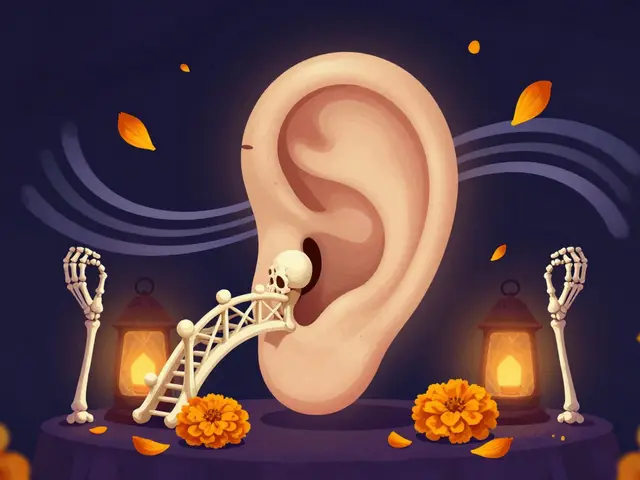
Otosclerosis is a common cause of hearing loss in adults under 50, caused by abnormal bone growth around the stapes. It leads to progressive conductive hearing loss, especially in low tones, but can be effectively treated with hearing aids or surgery.
Introducing solid foods to your baby during teething pain can be quite challenging. To help ease the transition, I suggest offering soft, cool foods that soothe their sore gums. Additionally, providing small, manageable bites and experimenting with different textures can make the process more enjoyable for your little one. Don't forget to be patient and understanding as they navigate this new experience. We're in this together, and supporting our babies during this phase will make a world of difference to their overall development.

Cut through the confusion of online Tofranil shopping. Here’s what you really need to know to buy antidepressants online, stay safe, and avoid scams.