
When you take amantadine, a medication used to treat Parkinson’s disease and certain types of influenza. Also known as Symmetrel, it works by boosting dopamine in the brain and blocking the flu virus from spreading. But while it helps with stiffness, tremors, and even early flu symptoms, it’s not without risks. Many people don’t realize how common or serious some side effects can be—especially if they’re older or taking other meds.
Amantadine isn’t just a simple pill. It’s part of a group of drugs called dopamine agonists, compounds that mimic dopamine’s effects in the brain, which also includes ropinirole and pramipexole. But unlike those, amantadine has a dual role: it helps movement disorders and fights viruses. That means its side effects can hit both your nervous system and your body’s defenses. Common issues include dizziness, swelling in the legs, trouble sleeping, and dry mouth. But more serious reactions—like hallucinations, confusion, or sudden changes in mood—can happen, especially in seniors. And if you’re on anticholinergic drugs, medications that block acetylcholine to reduce muscle spasms or saliva—like some bladder or depression meds—amantadine can make those side effects worse.
It’s not just about what amantadine does alone. It plays poorly with other drugs. Mixing it with CNS depressants, substances that slow brain activity like alcohol, benzodiazepines, or sleep aids can lead to extreme drowsiness or even breathing trouble. Even over-the-counter cold meds with antihistamines can interfere. And if you have kidney problems—which many older adults do—your body can’t clear amantadine fast enough, raising the risk of toxicity. That’s why doctors often start low and go slow.
You might be surprised to learn that amantadine is still used today, even with newer Parkinson’s drugs on the market. Why? Because it works differently. It doesn’t just replace dopamine—it helps your brain use what’s left more efficiently. But that also means its side effects are unique. Some people get a strange skin rash called livedo reticularis, which looks like a lacey purple pattern on the legs. Others report sudden sleep attacks—falling asleep without warning—something that’s rare but dangerous if you’re driving or operating machinery.
The posts below give you real, practical insights into how amantadine fits into the bigger picture of medication use. You’ll find comparisons with other Parkinson’s drugs, warnings about mixing it with alcohol or antidepressants, and how generic versions stack up in safety and cost. We’ve pulled together what actually matters: what to watch for, when to call your doctor, and how to avoid the most common mistakes people make when taking this drug. No fluff. Just what you need to stay safe and informed.

Amantadine is a prescription medication used in dogs and cats for chronic pain, especially when other drugs aren't enough. It blocks pain signals in the brain and works best when combined with other therapies.

Step therapy forces patients to try cheaper generics before insurers cover prescribed medications. Learn how it works, when it’s dangerous, and how to get exceptions when your health is at risk.

Digital tools can help you avoid dangerous interactions between generic drugs, but not all apps are equal. Learn which ones actually work, what they miss, and how to stay safe when buying meds online.

Cuba's healthcare system is amidst a critical shortage of essential medicines, pushing citizens towards the black market. This crisis highlights the struggle of families like Lili's, the irony of empty pharmacies yet abundant private vendors, and the government's efforts to address the complex issue.
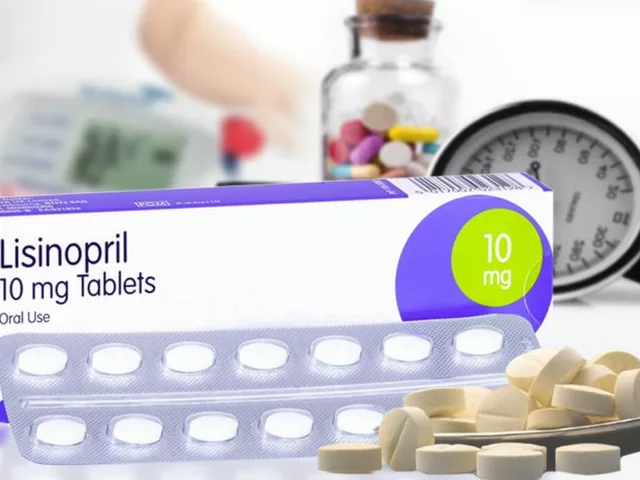
As a blogger, I've been researching the potential long-term effects of Lisinopril usage. Lisinopril, an ACE inhibitor, is commonly prescribed to treat high blood pressure and heart failure. While it may be effective in managing these conditions, it's important to be aware of the possible long-term effects. Some studies suggest that prolonged use of Lisinopril could potentially lead to kidney impairment, electrolyte imbalances, and an increased risk of angioedema. It's crucial to discuss these risks with your healthcare provider and weigh the potential benefits and drawbacks of using this medication long-term.

Discover how Linagliptin fits into diabetes support groups, compare group types, and find practical tips to choose the best community for managing type 2 diabetes.