
When people turn to alternative treatments, practices used instead of or alongside standard medical care to manage health conditions. Also known as complementary medicine, it includes everything from herbal supplements and acupuncture to dietary changes and mindfulness techniques. Many of these approaches aren’t just trendy—they’re backed by real studies. Take antioxidant supplements, compounds that reduce oxidative stress in the body, often used to ease chronic inflammation for pancreatitis, or jewelweed supplements, a natural herb studied for skin health and immune support. These aren’t guesses—they’re options people are using with real results, sometimes alongside prescription drugs.
But here’s the catch: not everything labeled "natural" is safe or effective. Some alternative treatments can interfere with your meds. For example, if you’re on allopurinol for gout, drinking alcohol can make things worse—and some herbal blends might do the same. Or if you’re taking immunosuppressants after a transplant, certain teas or supplements could raise your rejection risk. That’s why knowing the difference between evidence-based alternatives and unproven hype matters. The best approach? Alternative treatments shouldn’t replace your doctor—they should work with them. Think of them as tools in your health toolkit, not magic fixes. The posts below show exactly how people are using these methods with drugs like Linagliptin, Ramipril, or Lurasidone, and what the science says about combining them.
You’ll see real examples: how diet helps prevent hair loss, how specific herbs compare to prescription antifungals, and how people manage Parkinson’s or diabetes with lifestyle tweaks alongside meds. There’s no fluff—just clear, practical info on what’s been tested, what’s risky, and what’s worth trying. Whether you’re looking for safer pain relief instead of NSAIDs, ways to support mental health without stacking pills, or natural options for allergies or fungal infections, this list gives you the facts—not the marketing.

A clear, side‑by‑side comparison of Requip (ropinirole) with other Parkinson's meds, covering efficacy, dosing, side‑effects, and how to choose the right option.

Hello there! In today's post, we're discussing a vital topic, which is the role of Alfacalcidol in preventing Rickets in children. It's crucial for us, as parents, to understand what exactly Alfacalcidol is and how it plays an integral role in strengthening our children's health. I'll be providing information about this amazing form of Vitamin D and highlighting how its timely administration can contribute significantly towards the prevention of rickets. Stay tuned for an insightful read!

Want cheap generic Synthroid online in Canada? See safe pharmacy checks, 2025 pricing, ways to save, legal rules, and quick steps to order without risking your thyroid health.

Licorice contains glycyrrhizin, which can raise blood pressure and lower potassium, making blood pressure meds less effective. Avoid black licorice if you're on these medications.
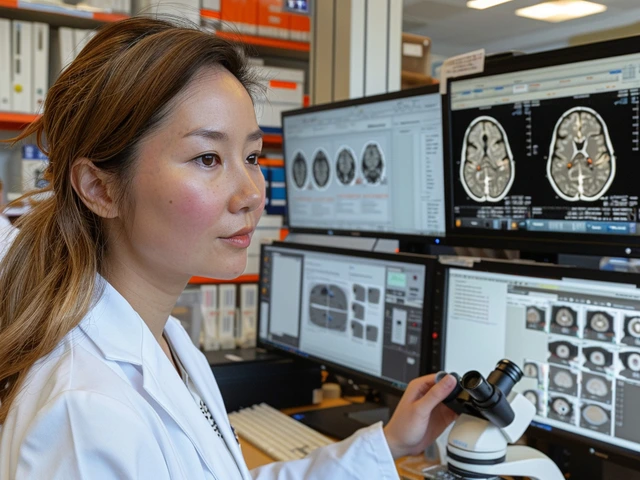
Inflammation’s role in Alzheimer's Disease is a topic of growing interest. This article explores the connection between chronic inflammation and cognitive decline, provides insights into possible causes, and discusses ways to manage inflammation to support brain health. Understanding inflammation's impact on Alzheimer’s could open doors to new treatments and prevention strategies.

Debunking common medication safety myths with facts backed by CDC, FDA, and pharmacy data to help patients avoid dangerous errors and take their meds safely.