
When you get a new organ, your body sees it as an invader. That’s why you need transplant drugs, medications that suppress your immune system to prevent organ rejection. Also known as immunosuppressants, these drugs keep your new kidney, liver, or heart from being attacked—but they come with a list of real, everyday side effects. You’re not just taking pills to stay alive; you’re managing a constant balance between protection and risk.
Most transplant patients take a mix of these drugs, and each has its own profile. Cyclosporine, a common immunosuppressant used since the 1980s can cause shaky hands, high blood pressure, and kidney stress. Tacrolimus, a stronger alternative often used today, might lead to headaches, trouble sleeping, or even diabetes in some people. Then there’s mycophenolate, a drug that cuts down on stomach issues compared to older options, but it can still cause nausea, diarrhea, or lower your white blood cell count. These aren’t rare side effects—they happen to a large number of patients. What matters is knowing what to watch for and when to call your doctor.
It’s not just about the drugs themselves. Your diet, other meds, and even the time of day you take them can change how your body reacts. Some people get sunburned easily because these drugs make their skin more sensitive. Others struggle with weight gain, high cholesterol, or constant fatigue. You might feel fine one month and then notice your hands are swollen or your gums are sore the next. That’s normal—but it doesn’t mean you should ignore it. Tracking these changes helps your care team adjust your dose before things get serious.
What you’ll find in the posts below isn’t a list of scary symptoms. It’s real talk from people who’ve lived with these drugs, and the guides that break down what each one does, how to spot trouble early, and how to live well despite the side effects. You’ll see how others manage nausea with simple diet tweaks, how to protect your skin without giving up the outdoors, and why some meds work better for certain people than others. This isn’t theory. It’s what works when you’re trying to stay healthy after a transplant.

A practical guide for organ transplant recipients covering common immunosuppressants, drug interactions, side effects, monitoring tips, and emerging therapies.
Wondering why your generic drug suddenly costs more? Learn how tiered copays and PBM rebates determine your prescription prices and how to lower your costs.
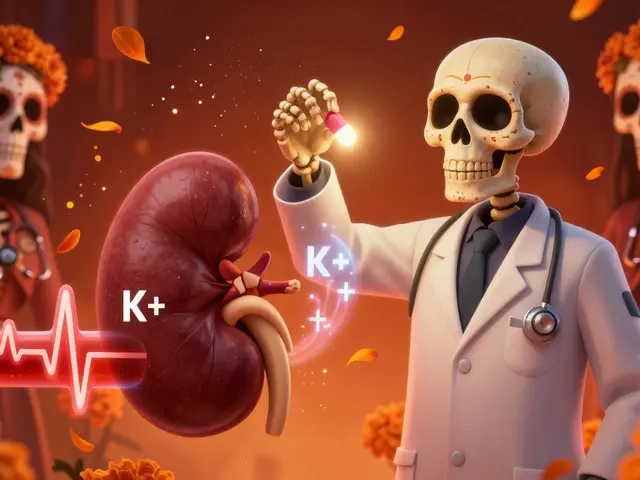
Trimethoprim, found in Bactrim and Septra, can cause dangerous spikes in potassium levels, especially in older adults and those on blood pressure meds. Learn who’s at risk, how fast it happens, and what to ask your doctor.

Second and third generic drug manufacturers drive prescription prices down dramatically-often cutting costs by 50% or more. Learn how competition among generics saves billions and what keeps prices high despite more options.
I recently discovered the incredible healing properties of Hedge-Hyssop, and I can't wait to share this new go-to dietary supplement with you all! Not only does this powerful herb support digestion and ease stomach issues, but it also helps to reduce inflammation and alleviate pain. As a natural remedy, Hedge-Hyssop has been proven to be safe and effective. I've personally experienced its benefits and highly recommend giving it a try. Incorporating Hedge-Hyssop into your daily routine could be the perfect addition to support your overall health and well-being.

Hidradenitis suppurativa causes painful, recurring nodules that can lead to scarring and chronic pain. Biologic therapies like adalimumab, secukinumab, and bimekizumab now offer real relief by targeting inflammation at its source-changing the lives of thousands.