
When you hear Sildenafil, a phosphodiesterase type 5 (PDE5) inhibitor used to treat erectile dysfunction and pulmonary arterial hypertension. Also known as the generic version of Viagra, it works by relaxing blood vessels to increase flow—simple, direct, and effective for millions. It’s not magic. It doesn’t create desire. It just gives your body the physical ability to respond when you’re aroused. That’s it.
People often confuse Sildenafil with other ED drugs like Cialis or Levitra, but they’re not the same. Sildenafil kicks in about 30 to 60 minutes after you take it, and its effects last around 4 to 5 hours. Compare that to Cialis, which can last up to 36 hours, or Stendra, which works faster. Sildenafil is also one of the most affordable options, especially as a generic. You’ll find it sold under names like Zenegra, Kamagra, and Silagra—all the same active ingredient, different brands, different prices.
It’s not just about sex. Sildenafil is also approved for treating pulmonary arterial hypertension, a serious condition where high blood pressure affects the lungs. But most people search for it because of ED. And that’s fine. It’s a common issue, and it’s treatable. What matters is knowing how to use it safely. Don’t mix it with nitrates—like those used for chest pain. That combo can drop your blood pressure to dangerous levels. Avoid heavy meals before taking it; they slow it down. And if you’re on alpha-blockers for prostate issues, your doctor needs to adjust the dose.
Side effects? Headache, flushing, stuffy nose—common, mild, and temporary. Some people get blurry vision or dizziness. Rarely, it causes sudden hearing loss or priapism—a painful, long-lasting erection that needs emergency care. Most users never see these, but knowing them helps you act fast if something feels off.
There’s a lot of noise online about buying Sildenafil cheaply. Some sites sell fake pills with no active ingredient—or worse, dangerous additives. The real thing comes in 25mg, 50mg, or 100mg tablets. You start low, see how your body reacts, then adjust. No need to take 100mg if 25mg works. And yes, it’s okay to use it occasionally. You don’t need to take it daily unless your doctor says so.
What you’ll find in the posts below isn’t just a list of products. It’s real comparisons: how Sildenafil stacks up against other ED meds in timing, cost, and side effects. You’ll see what people actually experience, not marketing hype. You’ll learn how to spot safe online pharmacies, what to ask your doctor before starting, and why some generics work just as well as the brand name. This isn’t about guessing. It’s about knowing what works for you—based on facts, not rumors.

A detailed side‑by‑side look at Viagra Soft (sildenafil) versus Cialis, Levitra, Stendra, generics and natural options, covering onset, duration, cost, side‑effects, and who should choose each.
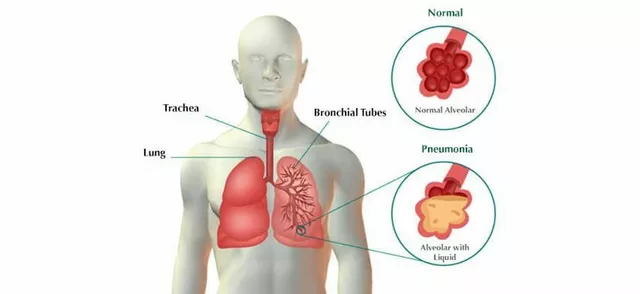
As a blogger, I want to share some important information about pneumonia and diabetes. Pneumonia is a serious infection that affects the lungs, and people with diabetes have a higher risk of developing it due to their weakened immune systems. It's crucial for diabetics to be aware of the symptoms, such as coughing, fever, and difficulty breathing, and seek medical attention promptly if they suspect pneumonia. Moreover, maintaining good blood sugar control and getting vaccinated for pneumonia can help prevent this dangerous infection. So, let's stay informed and take the necessary precautions to safeguard our health.
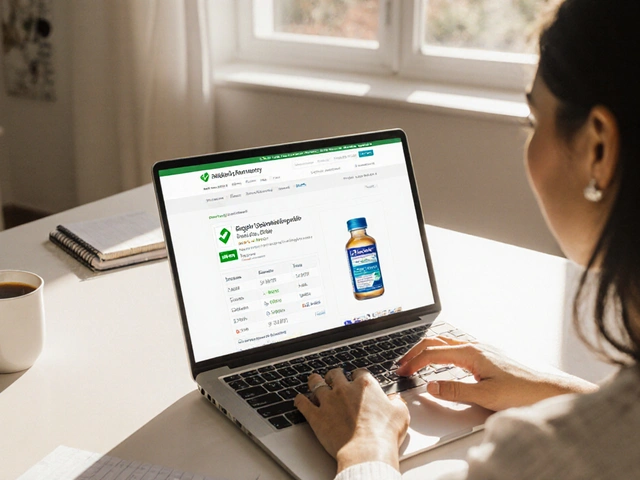
Learn where to find trusted online pharmacies, compare prices, verify legitimacy, and safely purchase cheap generic clindamycin with step‑by‑step guidance.

A deep dive into online pharmacy roidbazaar.to: how it works, what to look out for, tips on safe ordering, and what real users should know before buying.

A side‑by‑side comparison of Nasonex with top nasal sprays, covering efficacy, onset, cost, and best‑use scenarios to help you choose the right allergy spray.
Explore the detailed process of how generic drugs are manufactured, from reverse engineering brand names to the ANDA approval pathway and bioequivalence testing.