
If you care for an older adult, a sudden rise in temperature can feel alarming. Unlike younger people, seniors often show subtle clues before a fever spikes. Knowing these signs helps you act fast and keep the person safe.
Older adults may not always complain about feeling hot or sweaty. Look for:
If you notice any of these, grab a reliable thermometer and check the temperature. A reading above 100.4°F (38°C) counts as a fever for most seniors.
Fever itself is just a symptom, but it can hide serious problems like infections, urinary tract issues, or pneumonia. Seniors have weaker immune systems, so an infection that starts small can spread quickly. Also, many medications mask typical fever signs, making the subtle cues we listed even more critical.
When a senior’s temperature crosses 102°F (38.9°C) or stays high for more than two days, it’s time to call a doctor. Same goes for any fever paired with chest pain, severe headache, persistent vomiting, or sudden weakness in arms or legs.
First, keep the environment comfortable: lower the room temperature, use lightweight clothing, and offer cool fluids like water or electrolyte drinks. A lukewarm sponge bath can help bring the body temperature down without shocking the system.
If the person takes acetaminophen or ibuprofen safely (check dosage based on weight and kidney health), give a dose as directed. Avoid aspirin unless prescribed, because it can increase bleeding risk in older adults.
Track the fever every 4‑6 hours and note any new symptoms. Write down medications they’re on, especially blood thinners or steroids, because these affect how fevers should be treated.
Call emergency services if you see:
Otherwise, schedule a doctor’s appointment within 24‑48 hours to rule out infection. The clinician may order blood tests, urine culture, or chest X‑ray depending on the suspected source.
Fever in seniors often hides behind fatigue, confusion, or loss of appetite. Check temperature regularly, keep them hydrated and cool, and never ignore a high reading that lasts more than a day. Prompt medical attention can prevent complications and get your loved one back to feeling normal faster.

Spot, measure, and manage fever in older adults. Learn causes, red flags, safe treatments, and when to seek urgent care. Clear steps, checklists, and expert-backed tips.

Authorized generics are identical to brand-name drugs but cost less because they skip marketing costs and trigger immediate price competition. Learn how they work, why they’re cheaper, and how to get them.
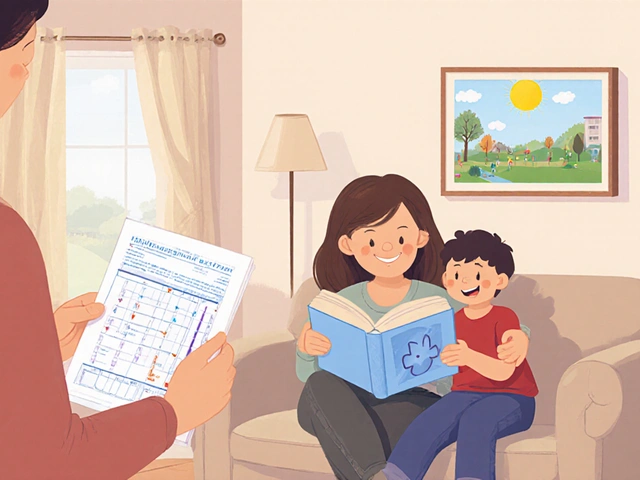
A practical guide for families coping with neuroblastoma, offering clear strategies to support siblings emotionally, maintain routine, and access professional resources.

In 2025, the landscape of hypothyroidism treatment offers a range of alternatives to Synthroid. These options cater to diverse patient needs, from synthetic solutions to natural remedies. This article delves into ten compelling alternatives, examining their benefits and drawbacks. With personalized medicine gaining momentum, understanding these options empowers patients to make informed choices in collaboration with their healthcare providers.

Pediatric safety networks bring together hospitals and communities to track side effects in children more effectively than ever before. These collaborative systems catch rare reactions, improve treatments, and prevent harm before it spreads.

Get the inside scoop on Lariam—an antimalarial that saves lives, but not without controversy. Explore its uses, side effects, and true risk.