
When dealing with schizophrenia, a chronic brain disorder marked by hallucinations, delusions, and disorganized thinking. Also known as psychotic disorder, it impacts roughly 1 % of people worldwide.
Research shows that dopamine, a neurotransmitter that regulates mood, motivation, and reward often runs off‑track in people with schizophrenia, leading to the classic positive symptoms. To bring dopamine back into balance, doctors prescribe antipsychotic medication, drugs that block dopamine receptors and reduce hallucinations and delusions. These meds come in older “typical” forms and newer “atypical” options, each with its own side‑effect profile. Choosing the right pill depends on symptom severity, personal health history, and how the body handles side effects like weight gain or sedation.
Understanding schizophrenia means looking beyond pills. Psychotherapy—especially cognitive‑behavioral therapy—helps patients challenge distorted thoughts and develop coping strategies. Family education programs reduce stigma and improve adherence to treatment plans. Lifestyle tweaks such as regular sleep, balanced nutrition, and modest exercise can blunt symptom spikes, because stress and irregular routines often fuel dopamine spikes. Early diagnosis is a game‑changer: the sooner the brain gets balanced, the better the long‑term outlook. Together, medication, therapy, and healthy habits create a three‑pronged approach that many clinicians recommend for stable symptom control.
Below you’ll find a curated collection of articles that dive deeper into medication choices, symptom management tips, and everyday strategies for living well with schizophrenia.
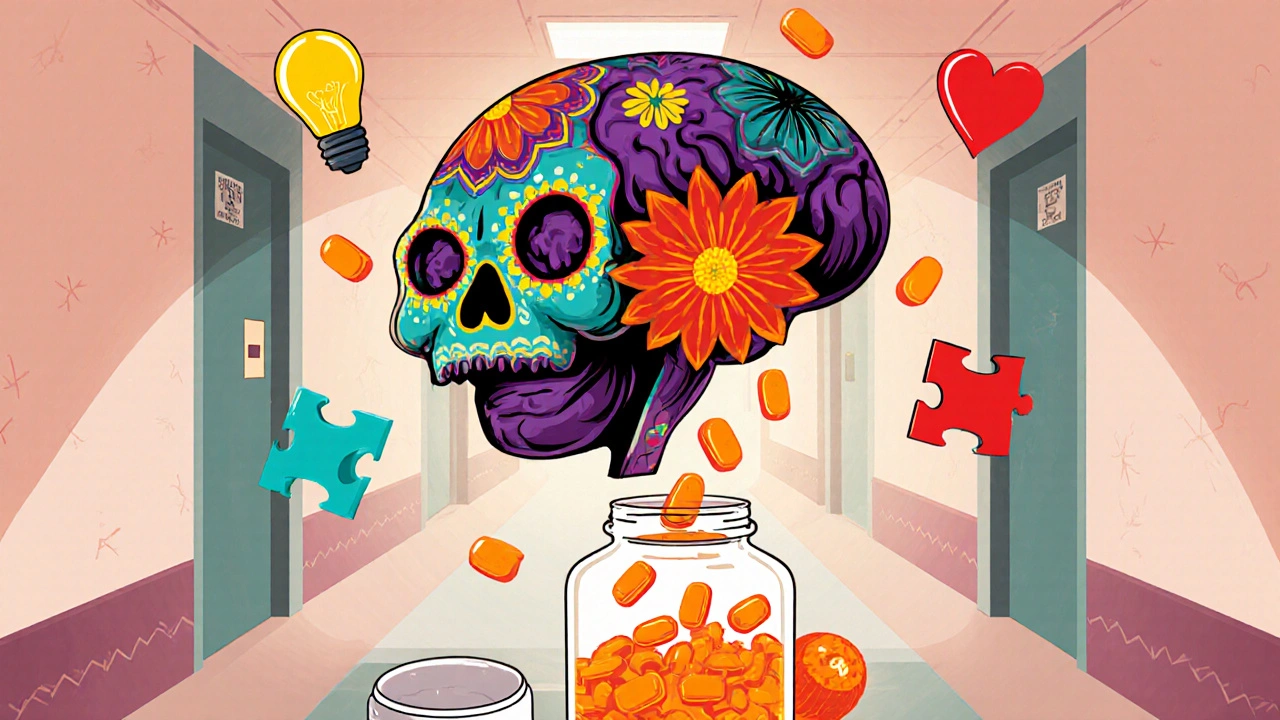
Explore how lurasidone impacts cognition in schizophrenia and bipolar disorder, reviewing clinical trials, mechanisms, and practical guidance for clinicians.

Aspartates are emerging as a vital dietary supplement known for boosting energy levels and enhancing mineral absorption. Originating from a simple chemical reaction, these compounds aid in transporting essential minerals into cells, improving overall metabolic rhythms. In 2021, they became a must-have, especially for those seeking enhanced athletic performance and optimal bodily functions. Their compatibility with various minerals makes them versatile for addressing specific health concerns. Discover how aspartates can become a secret weapon in your daily health regimen.

Bipolar depression and unipolar depression look alike but require completely different treatments. Misdiagnosis can lead to dangerous side effects. Learn how to tell them apart and what treatments actually work.

Expert guide on monitoring QT prolongation risks when using fluoroquinolones and macrolides. Learn about risk hierarchies, the Fridericia Formula, and ECG protocols.

Want cheap generic Synthroid online in Canada? See safe pharmacy checks, 2025 pricing, ways to save, legal rules, and quick steps to order without risking your thyroid health.

In 2026, flu and COVID-19 require different testing, treatment, and isolation strategies. Learn how the latest data on symptoms, antivirals, and transmission changes what you need to do when you're sick.